


 TR
 EN
 RU
 AR
 FR


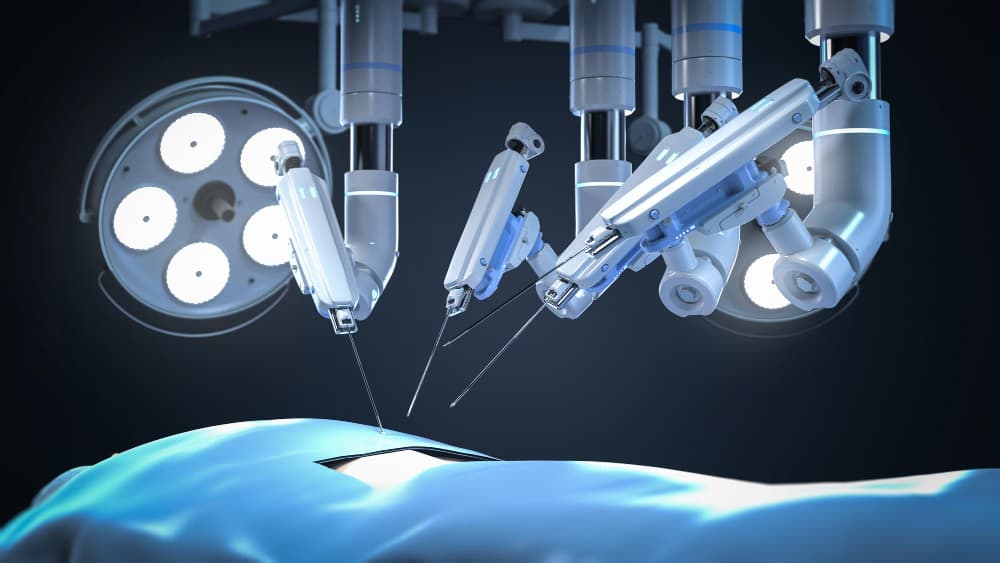

Modern medicine is constantly evolving, and one of the most significant breakthroughs in recent decades is the rise of robotic surgery. This advanced surgical approach combines the steady precision of high-end technology with the expert judgment of a surgeon. Far from being a science-fiction concept, robot-assisted surgery has become a gold standard for numerous complex procedures, offering patients a path to healing that is less invasive and more efficient than traditional methods.
In this guide, we will explore the robotic surgery system, the various robotic surgery techniques available today, and what you can expect from the recovery process.
What is Robotic Surgery?
Robotic surgery is a type of minimally invasive procedure where a surgeon performs an operation using a computerized system. It is important to clarify a common misconception: the robot does not perform the surgery on its own. Instead, it acts as a highly sophisticated extension of the surgeon’s hands.
The global benchmark for this technology is the da Vinci Surgical System. This platform translates the surgeon's hand movements into smaller, micro-precise movements of tiny instruments inside the patient's body. By filtering out natural hand tremors and providing a level of dexterity that exceeds human capability, it allows for incredibly delicate maneuvers.
The robotic surgery system typically consists of:
A Surgeon Console: The control center where the doctor sits and operates the instruments while viewing the surgical site in immersive, high-definition 3D.
The Patient-Side Cart: This unit houses the robotic arms that carry the surgical tools and the 3D camera.
EndoWrist Instruments: Specialized tools designed with seven degrees of freedom, mimicking—and exceeding—the range of motion of a human wrist to operate in confined anatomical spaces.
How Robotic Surgery Differs from Traditional Surgery
Traditional "open" surgery requires large incisions to allow the surgeon to see the area and use standard handheld tools. While effective, this can lead to significant blood loss and long recovery times.
Robot-assisted surgery differs in three primary ways:
Incision Size: It uses tiny "keyhole" incisions (usually 1–2 cm), which minimizes scarring.
Visualization: Surgeons get a 10x magnified, 3D view of the internal organs, whereas traditional laparoscopy often relies on 2D monitors.
Range of Motion: Robotic tools can rotate 360 degrees, allowing for a level of robotic surgery techniques that are impossible for the human hand alone.
Why Choose Robotic Surgery?
Patients and doctors increasingly prefer robotic surgery options because of the profound robotic surgery benefits they provide. These include:
Higher Precision: Ideal for delicate work around nerves and blood vessels.
Reduced Blood Loss: Smaller incisions and precise cauterization mean fewer transfusions are needed.
Lower Risk of Infection: Less exposure of internal tissues to the environment reduces post-operative complications.
Shorter Hospital Stays: Most patients return home much sooner than they would after open surgery.
Minimal Scarring: The small entry points heal quickly and are often barely visible after a few months.

Types of Robotic Surgery Procedures
The versatility of the technology means it can be applied to various medical fields. Here are some common robotic surgery examples:
Robotic Cardiac Surgery
In robot-assisted heart surgery, doctors can perform mitral valve repairs or coronary artery bypasses without "cracking the chest" (sternotomy). This preserves the rib cage and significantly reduces the physical trauma to the heart.
Robotic Urologic Surgery
This is perhaps the most well-known application. Robotic prostate surgery (prostatectomy) allows for the removal of cancerous tissue while sparing the delicate nerves responsible for urinary and sexual function. It is also used for complex kidney surgeries and bladder cancer treatments.
Robotic Gynecologic Surgery
For conditions like endometriosis or fibroids, robotic hysterectomy and myomectomy offer a way to perform deep pelvic surgery with minimal disruption to surrounding organs.
Robotic General Surgery
Robotic general surgery covers a wide range of abdominal procedures, including hernia repairs and gallbladder removals. Additionally, robotic bariatric surgery (or weight loss surgery) is increasingly used for gastric bypasses, as the robot's precision is particularly helpful in treating patients with higher body mass indices.
Robotic Oncologic Surgery
In cancer care, the ability to clearly see the margins of a tumor is vital. Robotic systems help surgeons remove cancerous growths with extreme accuracy, often leading to better long-term outcomes in colorectal, lung, and head and neck cancers.
Preparing for Robotic Surgery
Proper robotic surgery care begins before you even enter the operating room. To ensure the best results, your medical team will guide you through:
Pre-operative Imaging: Detailed CT scans or MRIs to map your anatomy.
Medication Adjustments: You may need to stop taking blood thinners a few days before the procedure.
Physical Conditioning: Gentle walking or "pre-hab" can strengthen your body for a faster recovery.
Fasting: Following standard anesthesia protocols, you will likely be asked not to eat or drink for 8–12 hours before surgery.
The Robotic Surgery Procedure
On the day of the procedure, you will be placed under general anesthesia. The surgeon makes several small incisions and inserts the robotic ports. From the console, the surgeon directs the robotic arms to perform the dissection, suturing, or removal of tissue. Because of the high-definition 3D camera, the surgeon has a "bird's eye view" of the area, ensuring every movement is deliberate and safe.
Risks and Potential Complications of Robotic Surgery
While highly advanced, no surgery is without risk. Robotic surgery risks are generally lower than open surgery but can include:
Standard Surgical Risks: Potential for reaction to anesthesia, bleeding, or infection at the incision site.
Equipment Issues: Though rare, mechanical failures can occur, requiring a transition to traditional laparoscopic or open surgery.
Nerve Compression: Due to the positioning required during certain long procedures.
Recovery After Robotic Surgery
The recovery after robotic surgery is typically much faster than traditional methods.
The First 24 Hours: Most patients are encouraged to stand and walk shortly after waking up to prevent blood clots.
Pain Management: Patients usually report significantly less pain, often requiring only over-the-counter medication within a few days.
Wound Care: The small incisions require minimal maintenance and usually heal within 1–2 weeks.
Returning to Work: Depending on the procedure (e.g., robotic knee surgery vs. abdominal surgery), many people return to light activities within 1 to 3 weeks.
Is Robotic Surgery Right for You?
Whether you are a candidate for a robotic procedure depends on several factors, including your overall health, the complexity of your condition, and your previous surgical history. For many, the choice is clear: less pain, a shorter hospital stay, and a faster return to daily life.
Robotic Surgery at Medical Park
At Medical Park International, we combine world-class surgical expertise with the latest technological advancements. A cornerstone of our excellence is found at Topkapı Liv Hospital, which is equipped with the state-of-the-art da Vinci Surgical System.
At İstinye UniversityLiv Hospital Topkapı, the da Vinci Surgical System is utilized by highly specialized teams to perform complex maneuvers through incisions no larger than a centimeter. This center of excellence focuses on:
Urological Excellence: Performing high-success robotic prostate surgery and kidney tumor removals.
Advanced Gynecologic Care: Managing complex uterine and ovarian conditions with minimal recovery time.
Specialized General Surgery: From colorectal procedures to advanced hernia repairs.
Our multidisciplinary teams at İstinye University Liv Hospital Topkapı are dedicated to a "patient-first" experience, offering personalized treatment plans and comprehensive post-operative care for our international patients. From your initial consultation to your final follow-up, our goal is to ensure your journey to health is as smooth and successful as possible.


 E-Result