


 TR
 EN
 RU
 AR
 FR


Breast implants are medical devices used in breast augmentation to increase breast volume, change breast shape, or improve breast symmetry. They may also be used in breast reconstruction after mastectomy or other forms of breast tissue loss. The right implant depends on several factors, including the patient's anatomy, aesthetic goals, existing breast tissue, and medical history.
Breast implant surgery in Turkey is an option for international patients considering cosmetic or reconstructive breast procedures. Before choosing surgery, it is important to understand the differences between implant types, how implants are positioned, the potential risks, and the long-term care they may require. This guide explains the main types of breast implants, how the operation is performed, what recovery involves, and which factors influence breast implant costs in Turkey.
What Is a Breast Implant?
A breast implant is a medical device consisting of an outer shell, usually made of silicone, and a filling material. It is surgically placed in the breast to increase volume or help restore breast shape. In cosmetic surgery, implants are commonly used for breast augmentation, also known as augmentation mammoplasty.
Breast implants can help people who want fuller breasts, wish to address differences in breast volume, or have experienced a loss of fullness after pregnancy, breastfeeding, or weight changes. They may also form part of breast reconstruction following a mastectomy or injury, although reconstructive surgery involves different considerations from cosmetic augmentation.
The surgeon selects an implant based on the patient's chest dimensions, breast tissue, skin elasticity, and desired outcome. Implant size alone does not determine the final appearance; shape, projection, placement, and the amount of tissue covering the implant also affect the result.
Patients considering breast implants in Istanbul or elsewhere in Turkey should discuss their goals and medical history with a qualified plastic surgeon before deciding on an implant or surgical technique.
What Do Breast Implants Do?
Breast implants can address several concerns, depending on the patient's anatomy and the purpose of the operation.
Increase Breast Volume: Implants add volume to the breasts and can create a fuller appearance. The appropriate size depends on the patient's proportions, available tissue, and desired outcome.
Improve Breast Symmetry: Implants of different sizes or carefully selected dimensions may help address differences in breast volume. Differences in breast shape, nipple position, and chest structure may still remain.
Restore Breast Fullness: Pregnancy, breastfeeding, aging, and significant weight changes can affect breast volume. Implants can restore some of this fullness, although patients with substantial sagging may also need a breast lift.
Change Breast Shape and Projection: Different implant shapes and profiles can influence the breast's contour and how far it projects from the chest.
Support Breast Reconstruction: Implants may be used to restore breast volume after mastectomy or other tissue loss. The appropriate reconstructive approach depends on the patient's treatment history and individual needs.
Breast implants do not stop the natural aging process or prevent future changes caused by pregnancy, weight fluctuations, or changes in skin elasticity. Patients should consider these factors when planning surgery.
Types of Breast Implants
Breast implants differ in filling material, shape, surface, size, and profile. These characteristics influence how an implant feels, how it fits the patient's anatomy, and which placement technique may be suitable.
Types of Breast Implants by Filling Material
The two main filling materials used in breast implants are silicone gel and saline solution.
Silicone Gel Implants: These implants contain silicone gel inside a silicone outer shell. They are available in different shapes and gel consistencies, and their feel and appearance depend on the implant's design and the patient's tissue coverage.
Saline Implants: These implants contain sterile saltwater solution within a silicone shell. They are filled with saline and may be available in specific sizes and designs, depending on the product and local regulations.
Highly Cohesive Silicone Gel Implants: Sometimes described as form-stable implants, these contain a firmer silicone gel designed to maintain a particular shape. Their characteristics vary by manufacturer and model.
The choice between silicone and saline implants depends on factors such as the desired appearance, implant availability, surgical approach, and the surgeon's assessment. Patients should ask about the advantages, limitations, and device-specific risks of the available options.
Types of Breast Implants by Shape
Implants are also classified by shape, which affects breast contour and upper-pole fullness.
Round Implants: These implants have a rounded profile and may provide more fullness in the upper part of the breast, depending on their size, projection, and placement.
Anatomical or Teardrop Implants: These implants have a tapered shape intended to resemble the natural slope of the breast. Their suitability depends on the patient's anatomy and the implant's design.
Neither shape guarantees a particular result. The surgeon considers the patient's existing breast shape, tissue coverage, chest dimensions, and aesthetic preferences when recommending an implant.
Types of Breast Implants by Surface
Breast implants have either a smooth or textured outer surface. Surface characteristics matter because they can affect implant behavior and are associated with different safety considerations.
Smooth Implants: These have a smooth outer shell and can move within the implant pocket. Their suitability depends on the implant design and the planned surgical technique.
Textured Implants: These have a surface designed to interact differently with surrounding tissue. Certain textured implants have been associated with breast implant-associated anaplastic large cell lymphoma (BIA-ALCL), a rare lymphoma linked particularly to textured implants.
Textured implants should not be assumed to last longer or reduce the risk of capsular contracture in every case. Patients should discuss the safety profile of specific devices and the availability of alternatives with their surgeon.
Breast Implant Size and Profile
Implant size is commonly measured in cubic centimeters (cc), rather than determined by a guaranteed final cup size. The same implant volume can look different in two people because chest width, breast tissue, skin elasticity, and implant profile vary.
Implant Volume: The selected volume determines how much material is used to increase breast size, but it does not predict an exact bra cup size.
Projection: Implant profile affects how far the breast projects forward from the chest.
Base Width: The implant's width should be compatible with the patient's chest and breast dimensions.
Tissue Coverage: The amount of existing breast tissue and the planned implant position influence how visible or palpable the implant may be.
Choosing an implant involves balancing the desired appearance with tissue capacity, comfort, and potential complications. A plastic surgeon can explain the trade-offs associated with different sizes and profiles.
Where Are Breast Implants Placed?
Breast implants can be positioned in different anatomical planes. The choice depends on the patient's tissue coverage, anatomy, implant characteristics, and the surgeon's preferred technique.
Subglandular Placement
In subglandular placement, the implant sits behind the breast tissue but in front of the pectoral muscle. This position avoids placing the implant beneath the muscle, but it may provide less tissue coverage in patients with thin breast tissue.
Submuscular Placement
In submuscular placement, the implant is positioned beneath the pectoral muscle. Muscle coverage may help conceal the implant's edges in selected patients, although this technique can affect muscle movement and recovery.
Dual-Plane Placement
Dual-plane placement combines positions above and beneath different portions of the pectoral muscle. It may be considered when the surgeon wants to balance implant coverage with the shape of the lower breast.
No placement method is best for every patient. The surgeon considers breast anatomy, tissue thickness, activity level, and the risks and benefits of each approach before recommending a technique.
How Is Breast Implant Surgery Performed?
Breast implant surgery involves a preoperative assessment, anesthesia, an incision, creation of an implant pocket, implant placement, and postoperative monitoring. The exact technique depends on the patient's needs and the selected implant.
1. Consultation and Preoperative Assessment
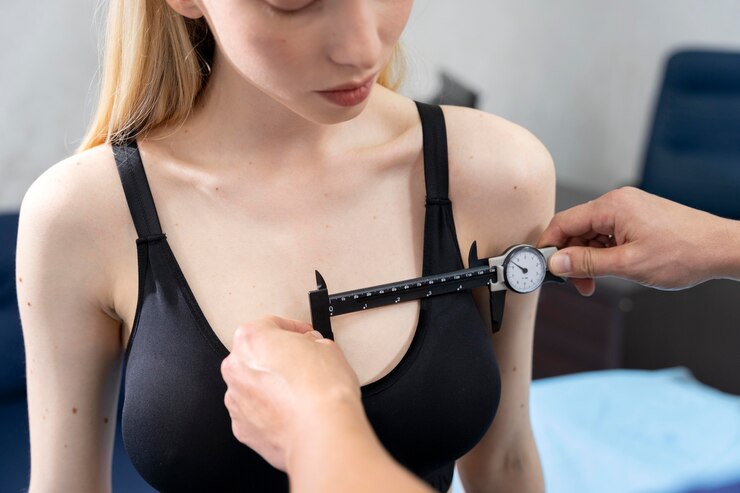
The plastic surgeon reviews the patient's medical history, examines breast size and shape, and discusses the desired outcome. The consultation covers implant material, shape, volume, placement, incision location, and the limitations and potential complications of surgery.
Preoperative tests are arranged according to the patient's health and medical history. Patients should disclose their medications, supplements, allergies, previous operations, and any relevant family or personal medical history. The surgical team will also provide instructions about fasting, smoking, and medication adjustments.
2. Anesthesia
Breast implant surgery is generally performed under general anesthesia. An anesthesiology team assesses the patient's health and determines the appropriate anesthesia plan.
The duration of surgery varies with the technique and whether other procedures, such as a breast lift, are performed at the same time.
3. Incision and Implant Placement
The surgeon makes an incision and creates a pocket for the implant. Common incision locations include the fold beneath the breast, the border of the areola, and, in selected cases, the armpit.
The implant is placed in the planned position, such as behind the breast tissue, beneath the pectoral muscle, or in a dual-plane position. The surgeon then checks the placement and closes the incision with sutures.
The incision location and technique are chosen to suit the patient's anatomy and surgical plan. All incisions leave scars, although their appearance generally changes as healing progresses.
4. Postoperative Monitoring
After surgery, the healthcare team monitors the patient's recovery from anesthesia, pain, swelling, and other early postoperative concerns. Discharge may take place on the same day or after an overnight hospital stay, depending on the procedure, the patient's condition, and the hospital's protocol.
Before discharge, patients receive instructions about incision care, medications, activity restrictions, support garments, follow-up appointments, and symptoms that require prompt medical attention.
What Are the Risks of Breast Implant Surgery?
Breast implant surgery can produce a lasting change in breast volume, but it also carries surgical and device-related risks. Patients should understand these risks before consenting to the procedure.
Potential complications include:
Infection and Bleeding: These can occur after surgery and may require medical treatment or additional procedures.
Scarring and Sensory Changes: Incisions leave scars, and nipple or breast sensation may temporarily or permanently change.
Capsular Contracture: Scar tissue forms naturally around an implant. If it tightens excessively, it can cause firmness, discomfort, or changes in breast shape.
Implant Rupture: An implant can rupture over time. A saline implant usually loses volume visibly, whereas a silicone gel implant may rupture without obvious external changes.
Implant Displacement or Wrinkling: An implant may shift from its intended position or develop folds that can be visible or felt.
Asymmetry and Changes in Appearance: Differences between the breasts may persist or develop as healing progresses and the tissues change.
Additional Surgery: Implant removal, replacement, or revision may become necessary because of complications, changes in preference, or device-related concerns.
Breast implant-associated anaplastic large cell lymphoma (BIA-ALCL) is a rare type of lymphoma associated with breast implants, particularly those with textured surfaces. Patients should ask their surgeon about the risks associated with the specific implant being considered.
Breast implants are not lifetime devices. Some patients require additional surgery over time, and the likelihood of complications generally increases with longer exposure to the device. Patients should understand the manufacturer's recommendations and the need for appropriate long-term follow-up.
Breast implants also do not replace routine breast cancer screening. Patients should inform their breast imaging team that they have implants so that appropriate imaging techniques can be used. Depending on the implant type and current recommendations, additional imaging may be advised to assess implant integrity.
How Much Do Breast Implants Cost in Turkey?
The cost of breast implant surgery in Turkey varies according to the implant type, surgical technique, hospital, surgeon's fees, and services included in the treatment plan. There is no single price that applies to every patient.
The main factors affecting breast implant costs include:
Implant Type and Brand: The manufacturer, material, design, and model of the selected implant can influence the cost.
Surgeon's and Hospital's Fees: The surgeon's fee, operating room use, anesthesia, and hospital facilities contribute to the total price.
Preoperative Assessments: The cost may include medical consultations and tests, depending on the provider's package.
Postoperative Care: Follow-up appointments, prescribed medication, dressings, and support garments may be included or charged separately.
Additional Procedures: Combining implants with a breast lift or another operation can increase the overall cost and affect recovery.
International Patient Services: Accommodation, airport transfers, interpreter services, and other travel-related arrangements may be available, depending on the package.
What Should a Breast Implant Surgery Package Include?
Before comparing breast implant prices in Turkey, patients should request a written breakdown of the treatment plan. They should confirm which medical services are included, whether implant costs and anesthesia are covered, how long the hospital stay is expected to be, and how postoperative appointments will be arranged.
International patients should also account for flights, accommodation, and the possibility of needing to extend their stay if their recovery requires additional monitoring. Payment methods, financing options, and insurance coverage should be confirmed directly with the provider. Cosmetic breast implant surgery is generally not covered by health insurance, although coverage may differ when surgery is medically indicated and depends on the individual policy.
A low advertised price does not necessarily represent the full cost of treatment. Patients should compare the scope of medical care, the qualifications of the surgeon, the implant being offered, and the arrangements for managing complications or follow-up after returning home.
What Should You Know Before and After Breast Implant Surgery?
Preparing for surgery and following postoperative instructions can support recovery and help patients recognize potential complications early.
Before Surgery
Review Your Medical History: Tell the surgical team about existing health conditions, allergies, medications, supplements, and previous operations.
Discuss Your Expectations: Explain the breast size and shape you want while remaining open to the surgeon's advice about what is appropriate for your anatomy.
Understand the Risks: Ask about the implant's material, surface, placement, expected lifespan, and potential need for revision or removal.
Follow Preoperative Instructions: Observe the medical team's guidance about fasting, smoking, medications, and preparation for anesthesia.
Plan Your Recovery: Arrange transportation after surgery, help with daily activities when needed, and sufficient time away from strenuous work or exercise.
After Surgery
Follow Wound-Care Instructions: Keep the incision area clean and follow the surgical team's guidance on dressings, bathing, and signs of infection.
Wear the Recommended Support Garment: Use the prescribed surgical bra or other support as instructed.
Limit Strenuous Activity: Avoid heavy lifting and chest exercises until the surgeon confirms that these activities can be resumed.
Attend Follow-Up Appointments: The surgeon assesses healing, breast shape, and any symptoms that require further investigation.
Seek Medical Advice for Warning Signs: Contact the healthcare team promptly for increasing redness, fever, worsening pain, unusual swelling, or wound discharge. Sudden chest pain or difficulty breathing requires emergency medical attention.
Patients should also ask how implant monitoring will be managed over time and keep a record of the implant manufacturer and model for future medical appointments.
How Long Does Recovery From Breast Implant Surgery Take?
Recovery depends on the surgical technique, implant placement, individual healing, and whether additional procedures are performed. Many patients can resume light daily activities within several days, but strenuous exercise and heavy lifting generally require a longer recovery period.
During the first few days, swelling, bruising, tightness, and soreness are common. These symptoms usually improve gradually over the following weeks, although the pace of recovery varies. Patients should not resume demanding physical activities until their surgeon confirms that it is safe.
Breast shape may continue to change as swelling decreases and the tissues settle over several months. Scars also mature gradually and may take a year or longer to become less noticeable. The final appearance cannot be assessed reliably in the immediate postoperative period.
Patients traveling to Turkey for breast implant surgery should arrange their return journey according to the surgeon's advice. The appropriate timing depends on the procedure, the patient's recovery, and the availability of follow-up care. Patients should know whom to contact if symptoms develop after returning home.
Breast Implant Surgery at Medical Park
Medical Park's Plastic Surgery Department provides consultations for patients considering breast implant surgery in Turkey. Plastic surgeons assess breast anatomy, tissue coverage, health history, and aesthetic goals to determine whether implant-based augmentation is appropriate and which implant characteristics and placement technique may suit the individual patient.
The surgical plan can cover implant material, size, shape, incision location, anesthesia, potential complications, and recovery requirements. When surgery is recommended, patients receive information about the proposed procedure and postoperative monitoring, including the follow-up arrangements needed after discharge.
International patients can coordinate their treatment through Medical Park's International Patient Services Center. The team can assist with communication and treatment planning, including arrangements relevant to the patient's visit, subject to the services confirmed for the individual case. Before traveling, patients should request clear information about the proposed implant, surgical fees, package inclusions, expected length of stay, and follow-up care.
To explore breast implant surgery in Turkey, contact Medical Park's International Patient Services Center to request information about consultation, surgical planning, and arrangements for international patients. For an overview of other cosmetic surgery procedures available in Turkey, read our guide to plastic surgery in Turkey.




 Makaleye Dön
 E-Result
 WhatsApp