


 TR
 EN
 RU
 AR
 FR


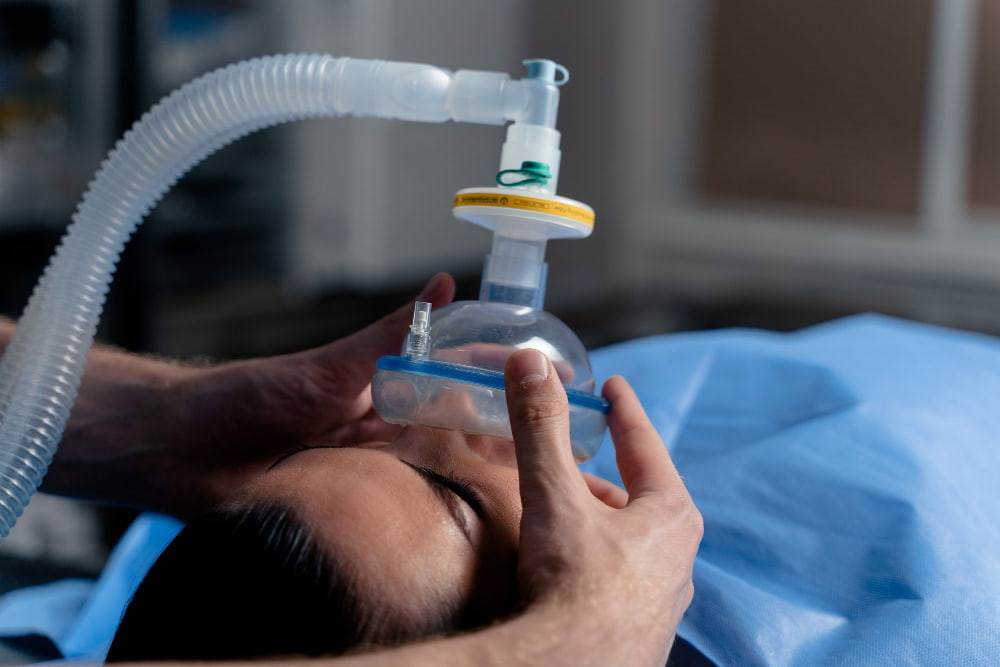

Acute Respiratory Distress Syndrome (ARDS) is a life-threatening lung condition that prevents enough oxygen from reaching the blood and organs. It is a form of rapid, severe respiratory failure that typically occurs in patients who are already critically ill or who have suffered significant physical trauma.
When the lungs function normally, air travels into tiny, elastic air sacs called alveoli. In these sacs, oxygen is transferred into the bloodstream while carbon dioxide is removed. However, in cases of ARDS, severe inflammation (lung swelling) damages the protective membranes of these air sacs. This damage causes fluid from nearby blood vessels to leak into the alveoli. As these sacs fill with fluid, they cannot expand properly or hold enough air. Consequently, the oxygen levels in the blood drop dangerously low (hypoxemia), which can lead to organ failure and, in many cases, death.
What is Acute Respiratory Distress Syndrome (ARDS)
ARDS, also historically referred to as adult respiratory distress syndrome, is not a disease in itself but a clinical syndrome triggered by an underlying injury or infection. It is characterized by the sudden onset of fluid buildup in both lungs. Because the condition develops rapidly—usually within 24 to 72 hours of the triggering event—it requires intensive medical intervention, typically in an Intensive Care Unit (ICU).
The physiology of ARDS involves three distinct phases: the exudative phase, the proliferative phase, and the fibrotic phase. During the exudative phase, the immediate reaction to injury leads to the leakage of protein-rich fluid into the air sacs. The proliferative phase follows as the body attempts to repair the damage, which can sometimes lead to the formation of new tissue. Finally, the fibrotic phase may occur in chronic cases, where the lung tissue becomes permanently scarred. The mortality rate for ARDS remains high, particularly among older adults and those with pre-existing health conditions. However, advancements in mechanical ventilation and critical care management have improved ards prognosis in recent years.
Recognizing ARDS: Symptoms and Diagnosis
The symptoms of ARDS can vary depending on the severity of the lung injury and the presence of underlying heart or lung diseases. Because ARDS usually occurs alongside another major health crisis, its symptoms may initially be masked by the primary illness.
Early Signs and Symptoms of ARDS
The primary indicator of ARDS is severe shortness of breath, which often feels like "air hunger." Common symptoms include:
Severe shortness of breath (dyspnea): Patients often feel they cannot catch their breath no matter how deeply they inhale.
Labored and unusually rapid breathing: The body attempts to compensate for low oxygen by increasing the respiratory rate.
Persistent cough and chest discomfort: This is often related to the underlying infection or the physical strain of breathing.
Tachycardia (fast heart rate): The heart pumps faster to try and circulate what little oxygen is available in the blood.
Confusion, dizziness, and extreme tiredness: These are neurological signs that the brain is not receiving sufficient oxygen.
Low blood pressure (hypotension): In severe cases, especially when sepsis is present, blood pressure may drop to dangerous levels.
When to Seek Immediate Medical Attention
Most individuals develop ARDS while already hospitalized. However, if you or a loved one are recovering from a major infection or injury at home and experience sudden, gasping breaths, a rapid pulse, or blue-tinted lips and fingernails, go to the nearest emergency department right away. The window for intervention is narrow, and early stabilization is critical for survival.
Diagnostic Evaluation for ARDS
The ards diagnosis is typically made through a combination of physical exams, imaging, and lab tests. There is no single test to confirm ARDS; instead, doctors must rule out other conditions like heart failure.
Imaging: A chest X-ray or CT scan is essential. In ARDS, these images show fluid-filled areas in both lungs that appear as "white-outs."
Lab Tests: An arterial blood gas (ABG) test measures the level of oxygen in the blood. Lower-than-normal oxygen levels despite supplemental oxygen are a hallmark of the syndrome.
Heart Tests: Since fluid in the lungs can also be caused by heart problems (congestive heart failure), doctors may perform an EKG or echocardiogram to ensure the heart is functioning correctly and is not the source of the fluid buildup.
Identifying the Causes and Risk Factors of ARDS
ARDS is triggered by a systemic inflammatory response or direct injury to the lung tissue. Understanding ards causes is vital for effective treatment.
Sepsis: This is the most common cause of ARDS. Sepsis is a massive, widespread infection of the bloodstream that triggers inflammation throughout the body.
Severe Pneumonia: Infections that affect multiple lobes of the lungs can lead to significant swelling and fluid leakage.
COVID-19: Severe cases of coronavirus disease 2019 are a known trigger for ARDS, as the virus specifically attacks the respiratory system.
Major Trauma: Accidents, car crashes, or falls that cause direct lung bruising or brain injuries can lead to ARDS.
Inhalation of Harmful Substances: Breathing in smoke, chemical fumes, or salt water (near-drowning) can damage lung tissue. Aspiration, or breathing in stomach contents/vomit, is also a common cause.
Pancreatitis: Severe inflammation of the pancreas can trigger a body-wide reaction that affects the lungs.
ARDS Risk Factors
While anyone can develop ARDS, certain factors increase the likelihood of its onset:
Chronic Alcohol Use: Long-term alcohol misuse is linked to a higher risk of ARDS and increased ards mortality.
Tobacco and Drug Use: Smoking and recreational drug use weaken lung defenses.
Metabolic Syndrome: Individuals with obesity or diabetes may face higher risks, especially when dealing with viral infections like COVID-19.
Age: Older adults are generally more susceptible to severe complications due to decreased physiological reserve.
ARDS Treatment and Management Strategies
The primary goal of ards management is to improve oxygen levels and prevent further lung injury while the underlying cause (such as an infection) is treated. Since there is no "cure" for ARDS itself, supportive care is the backbone of treatment.
Mechanical Ventilation: Most ARDS patients require a ventilator. This machine pushes air into the lungs and keeps the air sacs open. Modern protocols use "lung-protective ventilation," which involves lower volumes of air to prevent the ventilator itself from causing further tissue damage.
Oxygen Therapy: For milder cases, oxygen may be delivered through a mask or nasal cannula.
Prone Positioning: Patients are often turned onto their stomachs (prone position) for several hours a day. This helps more oxygen reach the back sections of the lungs, which often have more functional air sacs than the front sections when a patient is lying on their back.
Fluid Management: Doctors carefully manage the intake of intravenous fluids. Reducing fluid can help "dry out" the lungs, but it must be balanced to protect kidney function and maintain blood pressure.
Extracorporeal Membrane Oxygenation (ECMO): In the most severe cases, ECMO may be used. This machine pumps blood outside the body, removes carbon dioxide, and adds oxygen before pumping it back in, essentially acting as an artificial lung to give the patient's own lungs time to heal.
Potential Complications and Long-Term Effects of ARDS
Because ARDS is a critical illness, patients are at risk for several hospital-acquired complications:
Blood Clots: Lying still for long periods increases the risk of deep vein thrombosis (DVT), which can lead to a pulmonary embolism.
Pneumothorax (Collapsed Lung): The pressure from a ventilator can sometimes cause air to escape through a small hole in the lung, causing it to collapse.
Infections: Ventilator tubes provide a direct path for germs, often leading to "ventilator-associated pneumonia."
Pulmonary Fibrosis: Within weeks, the tissue between the air sacs may become scarred and stiff, making it permanently difficult for oxygen to enter the blood.
Stress Ulcers: The physical stress of the illness can cause the stomach to produce excess acid, leading to gastrointestinal bleeding.
ARDS Sequela: The Long-Term Impact
Survivors may face ards sequela—lasting physical and psychological effects:
Cognitive Decline: Low oxygen levels and heavy sedation can lead to memory loss and "brain fog."
Mental Health: Depression and Post-Traumatic Stress Disorder (PTSD) are very common among survivors who remember the trauma of being on life support.
Muscle Weakness: Long stays in the ICU can lead to significant muscle wasting and physical disability.
Prognosis and Recovery from ARDS
The ards recovery process is often long and arduous. While some survivors regain full lung function within six months to a year, others may have lifelong respiratory limitations and require home oxygen therapy. The ards prognosis is generally better for younger patients and those whose ARDS was caused by trauma rather than sepsis. Physical therapy is often required to rebuild strength, and pulmonary rehabilitation can help patients learn breathing techniques to manage lingering shortness of breath.
Preventing ARDS
While you cannot always prevent the accidents or infections that lead to ARDS, you can reduce your risk by:
Quitting Smoking: Healthy lungs are better equipped to handle injury.
Seeking Early Treatment for Infections: Don't ignore signs of pneumonia or UTI, which can lead to sepsis.
Getting Vaccinated: Staying up to date on flu and COVID-19 vaccines reduces the risk of severe respiratory infections.
Environmental Safety: Using proper respiratory protection when working with chemicals or in smoky environments can prevent direct lung injury.


 Makaleye Dön
 E-Result
 WhatsApp