


 TR
 EN
 RU
 AR
 FR


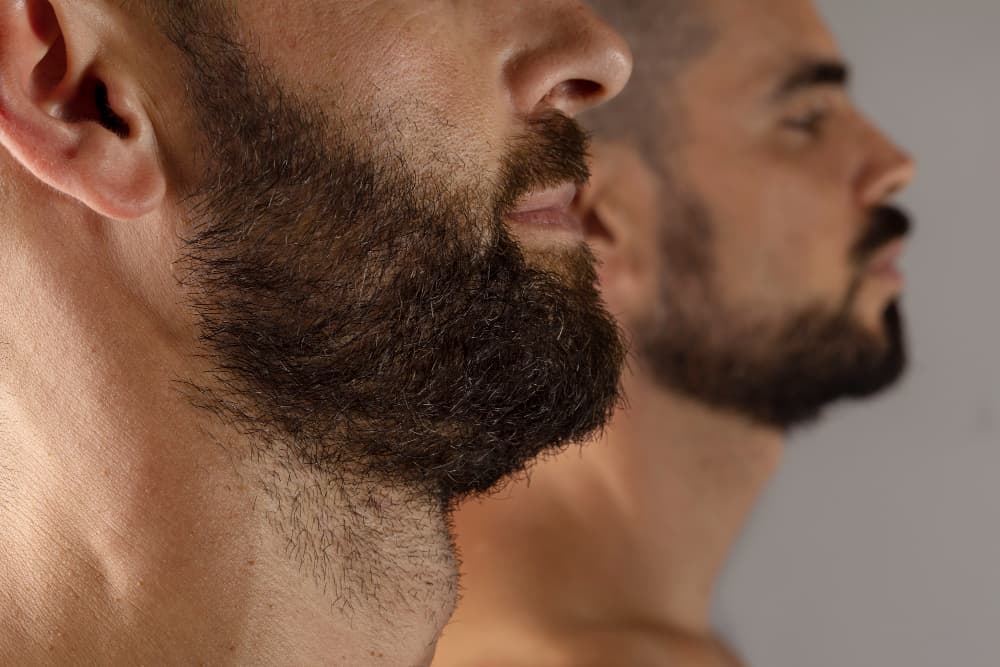

Contrary to popular belief, hair transplants are not just limited to the scalp. Advancements in cosmetic surgery have made it possible to get a beard transplant as well. This blog explores beard transplants in Turkey, highlighting their cost, benefits, and how they enhance facial hair with natural-looking results.
Beard transplant in Turkey is popular among patients seeking solutions for facial hair issues such as patchy growth, genetics, or scarring. For people who intend to undergo a beard transplant at the Medical Park International Hospital, here is what to expect:
What is a Beard Transplant?
Beard transplants are surgical facial hair restorations for men. Turkey has a reputation for being the “Hair transplant capital” of the world, so Turkey beard transplants are a natural progression. During the procedure, hair is taken from a donor site (under the chin, scalp) and transplanted in areas of sparse facial hair density.
Beard transplants in Turkey have high success rates and natural outcomes. Every year, hundreds of patients undergo successful beard transplants in Istanbul and other parts of the country. For this reason, a Turkey beard transplant is a popular cosmetic procedure among international patients.
Learn more about how Turkey has gained this reputation in our guide on Hair Transplant in Turkey.

Who is a Good Candidate for a Beard Transplant?
Although a beard hair transplant generally has a high success rate, it is not for everyone. A good candidate for a beard transplant in Turkey is someone who has:
- Healthy donor hair
- Facial hair loss due to genetics, scarring, or hormones
- Non-smoker
- No alcohol or substance abuse history
- Good overall health
- Realistic expectations
Assessing Your Beard Goals
Before a beard transplant in Turkey, the surgeons at the Medical Park International assess the patient’s beard goals. These include beard style and desired hair density, desired beard line to restore symmetry, donor hair quality, and aftercare and maintenance.
Considering Age and Hair Loss Patterns
An important consideration before a beard transplant surgery in Istanbul and worldwide is the patient’s age and hair loss patterns (For more details on how hair loss is classified, visit our page on the Norwood Scale). The criteria include:
- Ideal over 25 years of age
- Stable patchiness or hair loss
- Quality and availability of donor hair
Beard Transplant Techniques at Medical Park International
Several types of beard hair transplants in Turkey are available to patients at Medical Park International, such as:
Follicular Unit Extraction (FUE)
An FUE beard transplant uses hair follicles from a healthy donor site to transplant in the beard area. It is a common type of minimally invasive beard transplant in Turkey with a short recovery duration. For a comprehensive overview of this technique, read our guide on FUE Hair Transplant.
Beard-to-Beard Transplants
A beard-to-beard transplant uses beard hair from under the chin, sideburns, or neck as donor hair to graft at the sites of hair loss/patchiness. This technique is suitable for smaller areas of hair loss, and it is easy to match hair color and texture.
Scalp-to-Beard Transplants
A scalp-to-beard transplant involves using scalp hair follicle grafts to improve beard thickness and density. Due to the competitive beard transplant cost and advanced facilities, a beard transplant in Istanbul is a highly sought-after cosmetic procedure.
The Beard Transplant Procedure: A Step-by-Step Guide at Medical Park
Here is a step-by-step guide to a beard transplant in Turkey at the Medical Park Hospital:
Initial Consultation and Assessment
The initial consultation includes a detailed history, examination, and investigations to assess the overall health status.
Pre-operative Evaluation
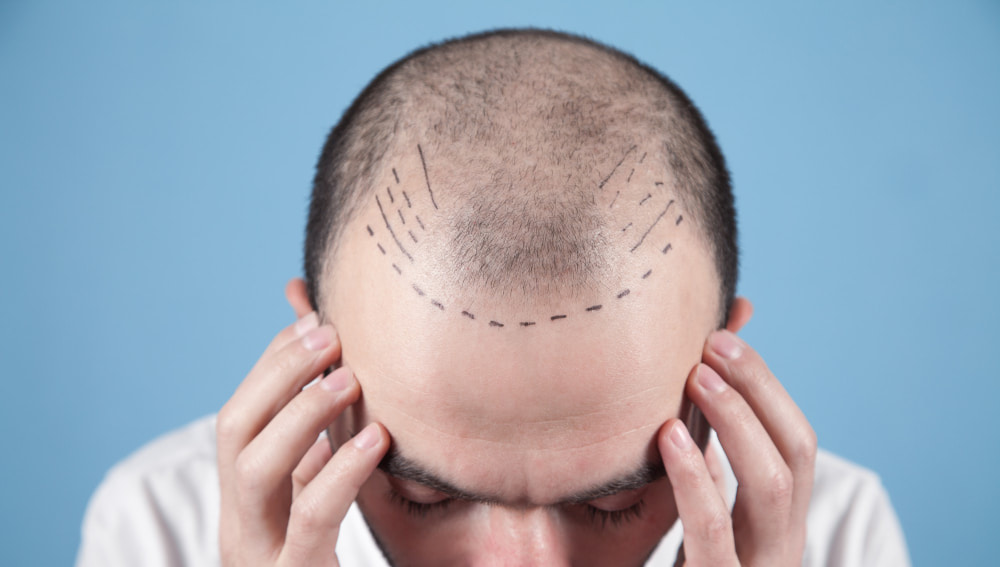
Before the surgery, the patient undergoes a thorough evaluation to ensure the best possible outcome. During this stage, the surgeon assesses the health of the donor hair and examines the pattern of facial hair loss. Pre-operative photographs are taken to document the current condition and guide the planning process. The patient’s skin is also evaluated in terms of type, scarring, and elasticity, which can affect healing and results.
Finally, the surgeon provides clear pre-operative instructions to prepare the patient for the procedure. Based on this evaluation, the transplant surgeon devises a beard transplant surgical plan.
Harvesting the Donor Hair
The first step of beard transplant surgery in Turkey is to harvest the donor hair, depending on the type of transplant.
Creating Recipient Sites
The donor hair harvesting is followed by creating the recipient site in the areas of hair loss or patchiness of the beard.
Graft Placement
The harvested hair follicles are placed in the prepped recipient location. Special attention is given to placing each follicle according to the planned angle, direction, and density.
Post-operative Care and Recovery
After a beard transplant, the surgical team provides detailed aftercare guidelines to the patient. A complete beard transplant recovery may take up to 8-12 months.
Understanding Beard Transplant Pricing
The key reasons for the popularity of beard transplants in Turkey are the affordable cost and high success rates.
Factors Affecting the Price of a Beard Transplant
Some of the things that factor into the final cost of a beard transplant in Turkey include:
- Quantity of grafts
- Type (FUE, FUT, or DHI)
- Surgical package
- Standalone/combined procedure
Payment Plans and Financing Options
For beard transplants in Istanbul, hospitals offer various payment options, such as credit/debit cards, bank cards, cash, installments, medical loans and insurance (if applicable).
Beard Transplant Recovery and Aftercare at Medical Park
To avoid beard transplant side effects, it is important to follow the aftercare guidelines. These include:
What to Expect Immediately After the Procedure
Immediately after a beard transplant in Turkey, patients may experience mild discomfort, swelling, and tightness. Surgeons advise keeping the area clean, dry, and sleeping with the head elevated.
Managing Scabbing and Itching
There is some mild itching and scabbing during this time. Patients are advised not to scratch the graft site. The scabs fall off in 7 - 10 days.
Shaving and Grooming After a Beard Transplant
Shaving is prohibited for the first 3 - 4 weeks. At the 1-month mark, it is allowed to gently trim the beard with scissors. Three months after a beard transplant in Turkey, most patients can start gently shaving the area.
Long-Term Results and Maintenance
The long-term results after a beard transplant in Istanbul are visible in approximately 8 - 12 months.
Potential Side Effects and Risks of a Beard Transplant
Potential risks and side effects of a beard transplant are as follows:
Common Side Effects
Some of the most common issues patients may experience include persistent pain and swelling in the treated area, as well as mild itching or tingling during the early recovery phase. Temporary numbness, also known as paresthesia, can occur but usually resolves over time. In certain cases, patients may notice “shock loss,” where newly transplanted hairs fall out before regrowth begins. A feeling of mild tightness in the skin is also common and typically subsides as the healing process progresses.
Rare Complications and How to Avoid Them
Although rare, some complications may arise after a beard transplant if proper care is not taken. These include infection, folliculitis (inflammation of hair follicles), uneven beard contours, delayed or poor healing, visible scarring, cyst formation, and in very uncommon cases, nerve damage.
Fortunately, the risk of such complications can be greatly reduced by choosing an experienced surgical team and carefully following all post-operative care instructions provided by the clinic.
Alternatives to a Beard Transplant
Beard transplant alternatives include medications (Minoxidil), PRP therapy, and microneedling. Cosmetic prosthesis and beard tattooing are also available options.
Why Choose Medical Park for Your Hair Restoration Needs?
Medical Park Healthcare Group has a long history of serving the Turkish healthcare sector. With over 27 hospitals spread across the country, it boasts a diverse team of 2500 qualified staff and an enviable 5300-bed capacity. International certifications and 210 fully equipped sterile operating rooms ensure that every patient entering through the doors gets the best healthcare services available.
A beard transplant can be safely combined with other facial cosmetic surgeries under medical guidance. To explore the possibilities of combining your hair restoration with procedures like nasal reshaping, check out our guide on rhinoplasty.



 Makaleye Dön
 E-Result
 WhatsApp