


 TR
 EN
 RU
 AR
 FR


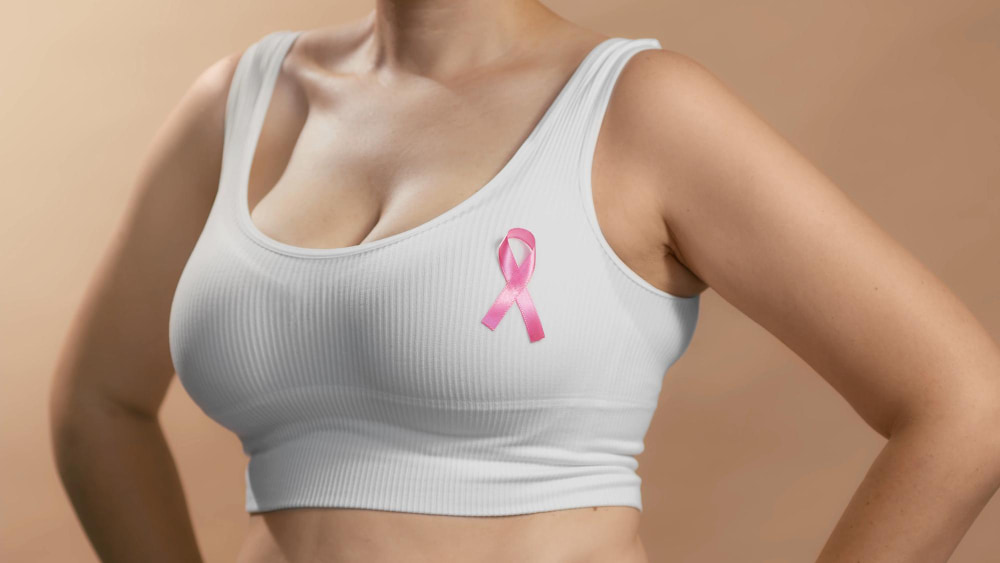

For many women, a mastectomy is a life-saving step in the journey of breast cancer reconstruction. However, the physical change can deeply affect self-image and emotional health. Breast reconstruction surgery offers a way to rebuild the breast’s shape and volume, helping patients regain a sense of wholeness and confidence.
At Medical Park, we believe that reconstruction is not just a cosmetic choice but a vital part of the healing process. This guide explores the various breast reconstruction options, techniques, and what you can expect during your recovery journey.
What is Breast Reconstruction?
Breast reconstruction is a surgical procedure designed to restore the breast to near-normal shape, appearance, and size following a mastectomy or lumpectomy. The goal is to create a breast mound that matches the opposite breast in terms of symmetry and contour. This complex surgery often requires a multidisciplinary approach, involving oncologists, general surgeons, and plastic surgeons working in tandem to ensure the best oncological and aesthetic outcomes.
While the surgery can recreate the look of a breast, it is important to note that reconstructed breasts often lack the same sensation as natural breasts because the nerves are typically removed during the mastectomy. However, new breast reconstruction techniques, such as nerve grafting and sensation-sparing surgeries, are constantly evolving to improve both the aesthetic and functional outcomes for patients.
Who is a Candidate for Breast Reconstruction?
Most women who undergo a mastectomy are candidates for reconstruction. However, the best approach depends on several medical and personal factors:
Overall Health: Patients should be in good physical health to undergo anesthesia and the potentially long recovery process. Conditions like uncontrolled diabetes or smoking can significantly impact healing.
Cancer Treatment Plan: If you require radiation or chemotherapy after surgery, your surgeon may recommend delayed breast reconstruction. Radiation can damage the skin and affect the success of an implant or a tissue flap.
Body Type: Your weight, skin elasticity, and the availability of donor tissue (like abdominal fat) will influence which types of breast reconstruction are feasible. For instance, a thin patient might not have enough abdominal fat for a DIEP flap and might be a better candidate for implants.
Personal Preference: Some women prefer the shorter recovery time and fewer surgical sites associated with implants, while others choose autologous breast reconstruction for a more natural feel and life-long results.
Types of Breast Reconstruction Surgery
There is no "one-size-fits-all" approach. Your breast reconstruction surgeons will help you choose between synthetic materials or your own tissue.
Implant Reconstruction
Breast reconstruction with implants involves the use of silicone or saline shells. This is often a two-stage process:
Tissue Expansion: A temporary expander is placed under or above the chest muscle and gradually filled with saline over several weeks to stretch the skin.
Permanent Implant: Once the skin is ready, the expander is replaced with a permanent implant. This is a common choice for those who do not have enough donor tissue or want to avoid secondary surgical sites. Modern techniques also include "Direct-to-Implant" reconstruction, where the permanent implant is placed immediately after the mastectomy, bypassing the expansion phase.
Autologous (Tissue) Reconstruction
Also known as "flap" surgery, breast reconstruction using body tissue uses skin, fat, and sometimes muscle from another part of your body to form the new breast.
DIEP Flap: Deep Inferior Epigastric Perforator flap uses only skin and fat from the abdomen, sparing the muscle. This preserves abdominal strength and has a faster recovery than traditional methods.
TRAM Flap: Transverse Rectus Abdominis Myocutaneous flap uses abdominal tissue and part of the muscle.
Latissimus Dorsi Flap: Uses tissue and muscle from the upper back, often combined with an implant if more volume is needed.
Nipple Reconstruction
Once the breast mound has healed and settled, many patients opt for breast reconstruction nipple reconstruction. This is typically a minor outpatient procedure where the surgeon uses local skin folds to create a nipple shape, followed by medical tattooing to recreate the color of the areola.

Timing of Breast Reconstruction
Immediate Reconstruction
Immediate breast reconstruction occurs at the same time as the mastectomy. The advantage is that the patient wakes up with a breast mound already in place, which can lessen the psychological impact of the surgery. It often yields the best cosmetic results as the "skin envelope" of the breast is preserved.
Delayed Reconstruction
Delayed breast reconstruction happens months or even years after the initial mastectomy and oncology treatment. This is often recommended if the patient needs post-operative radiation, as radiation can sometimes damage reconstructed tissue, cause skin tightening, or increase the risk of implant complications like capsular contracture.
The Breast Reconstruction Procedure: What to Expect
Pre-Operative Assessment
Before breast reconstruction after mastectomy, you will meet with your surgical team. This assessment includes a physical exam, a review of your cancer pathology, and a discussion of your goals. Surgeons may use 3D imaging to show potential results and help you choose the right volume and shape.
Surgical Techniques
Depending on the method, surgery can last from two to six hours. For partial breast reconstruction (often following a lumpectomy), fat grafting or local tissue rearrangement may be used to fill the deficit. In full reconstruction, microsurgical techniques are often used for flap procedures to connect tiny blood vessels, ensuring the moved tissue receives a healthy blood supply.
Recovery Process
Breast reconstruction recovery varies by procedure. Implant-based surgery typically involves 2–4 weeks of recovery. Tissue flaps require 4–8 weeks, as you are healing two surgical sites. Patients are usually required to wear a supportive surgical bra, manage surgical drains for a week or two, and avoid heavy lifting during the initial weeks.
Risks and Potential Complications
Like any major surgery, breast reconstruction risks exist and should be managed by an expert team.
Common Complications
Infection: Can usually be treated with antibiotics but may require implant removal in rare cases.
Seroma/Hematoma: Fluid or blood buildup under the skin that may need to be drained.
Flap Failure: In autologous surgery, if the blood supply to the moved tissue is compromised, the tissue may not survive, requiring further surgery.
Long-Term Considerations
Breast reconstruction complications over the long term can include capsular contracture (scar tissue hardening around an implant) or implant rupture. Regular follow-ups and imaging are essential to monitor the integrity of the breast reconstruction.
Life After Breast Reconstruction
Emotional Well-being
Reconstruction can significantly improve quality of life. Many women report feeling more comfortable in clothing and a renewed sense of "normalcy." However, the emotional journey is complex, and many benefit from support groups or counseling during the transition.
Physical Recovery
Gradually, you will regain strength and range of motion. While the reconstructed breast will not have the same sensation, it will gain a more natural softness and droop over time, especially with autologous techniques that age naturally with your body.
Follow-up Care
Ongoing monitoring is vital. You will still need regular clinical exams. If you have remaining natural breast tissue, mammograms will still be required as part of your standard health screenings.
Additional Procedures to Enhance Results
Contralateral Breast Surgery
To achieve perfect symmetry, surgeons often perform contralateral breast reconstruction or adjustment on the healthy breast. This may involve a breast augmentation to match the size of an implant-reconstructed breast, or a breast lift to match the position and "perkiness" of the newly reconstructed side.
Fat Grafting
Fat grafting is a technique where fat is liposuctioned from one area (like the thighs) and injected into the breast to refine the shape, smooth out ripples in an implant, or improve the thickness of the skin after radiation.
Breast Reconstruction in Turkey
Turkey has established itself as a premier global destination for complex reconstructive procedures. Choosing breast reconstruction in Turkey offers patients access to a unique combination of high-level medical expertise and advanced technology. Some Turkish hospitals like those under the Medical Park Group are accredited by international bodies such as the JCI (Joint Commission International), ensuring that the quality of care, hygiene, and surgical safety protocols meet or exceed global standards.
One of the primary reasons patients seek breast reconstruction in Turkey is the depth of experience among plastic surgeons who handle a high volume of complex cases annually. Furthermore, the breast reconstruction cost in Turkey is significantly more accessible than in Western Europe or North America. This affordability allows patients to access premium materials, such as the latest FDA-approved silicone implants, and sophisticated microsurgical flap procedures (like DIEP) without the financial burden often associated with these surgeries elsewhere.
Breast Reconstruction at Medical Park
At Medical Park, we provide a holistic approach to breast cancer recovery. Our breast reconstruction surgeons work within a multidisciplinary framework, coordinating closely with oncologists to ensure that your reconstruction plan perfectly complements your cancer treatment.
Why Choose Medical Park?
Advanced Microsurgery: Our specialists are experts in microsurgical precision to ensure high success rates.
Personalized Care: We offer tailored plans that might include a combination of implants and fat grafting to achieve the most natural-looking results.
Comprehensive Support: From your initial consultation to post-operative follow-ups, our international patient team provides multilingual support, accommodation options, and seamless airport transfers.
- State-of-the-Art Facilities: Our hospitals are equipped with the latest surgical technology, ensuring minimal trauma and optimized healing times for our patients.
To learn more about how we integrate surgical care with cancer care, explore our comprehensive guide on oncology treatment in Turkey, where we detail our advanced diagnostic and therapeutic approaches. If you are interested in the aesthetic aspects of your transformation, you can also visit our guide on plastic surgery in Turkey to discover the full range of restorative and cosmetic procedures available at our facilities.


 Makaleye Dön
 E-Result
 WhatsApp