


 TR
 EN
 RU
 AR
 FR


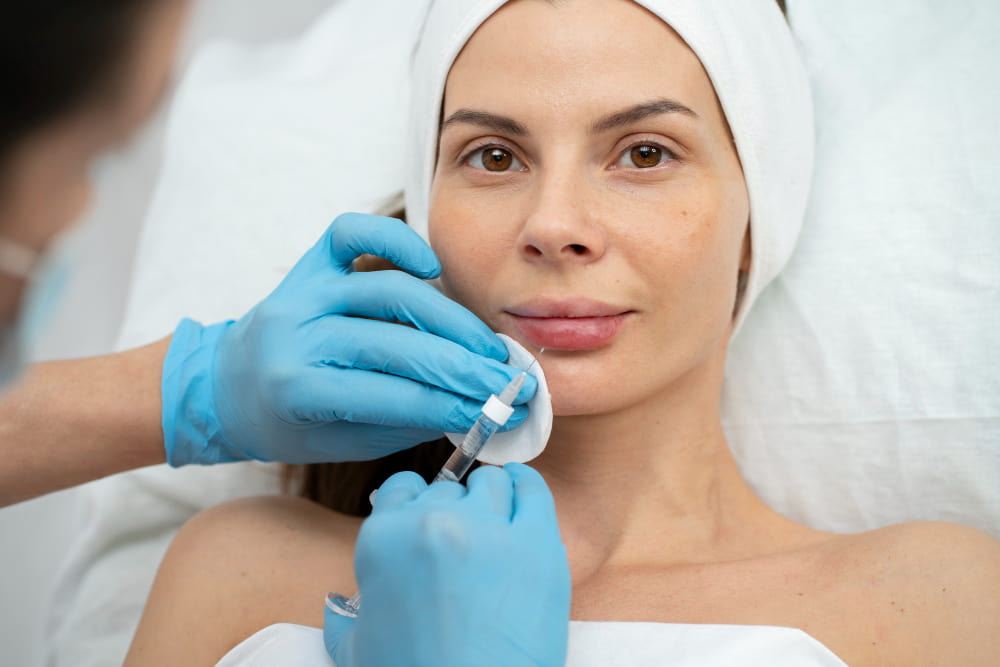


In the evolving world of aesthetic medicine, the trend has shifted away from synthetic fillers and silicone implants toward more natural, biocompatible solutions. Fat transfer, also known as autologous fat transfer, fat grafting, or fat injections, has emerged as a gold-standard procedure for those seeking to restore volume, smooth wrinkles, and enhance body contours using their own biological material.
By taking fat from areas where it is unwanted and moving it to areas where volume is needed, patients can achieve a "two-in-one" benefit: a slimmer donor site and a more youthful, voluminous recipient site. This guide explores everything you need to know about the procedure, from facial fat grafting to breast enhancement fat transfer and beyond.
What is Fat Transfer?
At its core, fat transfer is a surgical process that relocates fat from one part of your body to another. It is a three-stage procedure involving the surgical removal of fat via liposuction, the purification of those fat cells, and the strategic reinjection of the fat into a target area.
Because the procedure uses your own (autologous) tissue, it eliminates the risk of allergic reactions or "rejection" that can sometimes occur with foreign materials. It is a versatile tool used by plastic surgeons to address everything from deep facial hollows to reconstructive needs following breast cancer surgery.
Other Names for the Procedure
In your research, you may encounter several terms that refer to the same basic process:
Autologous fat transfer
Fat grafting
Fat injections
Lipofilling
Common Treatment Areas
The versatility of fat grafting allows it to be applied to almost any area of the body that requires structural support or volume.
Facial Fat Transfer
As we age, we lose "baby fat" in the face, leading to a hollowed, tired appearance. Facial fat transfer is a powerful tool for facial rejuvenation.
Fat transfer under eyes: This targets the "tear troughs," reducing the appearance of dark circles and hollows that make a person look constantly exhausted.
Fat transfer to lips: Unlike synthetic fillers that need to be replaced every six months, fat transfer to lips provides a softer, more permanent solution for lip augmentation.
Cheek Enhancement: Facial fat grafting can recreate high cheekbones and fill in the "sunken" look often associated with aging or weight loss.
Breast Fat Transfer
For many women, breast fat transfer offers a middle ground between doing nothing and getting traditional silicone implants.
Fat grafting breast augmentation: This is ideal for women looking for a modest increase in size (usually half a cup to one full cup size) or to correct asymmetry.
Natural Feel: A fat grafting breast procedure results in a breast that looks and feels entirely natural, as it is composed of your own soft tissue rather than a saline or silicone shell.
Body Contouring and BBL
One of the most popular applications of this technology is the Brazilian Butt Lift (BBL surgery). In this procedure, large volumes of fat are harvested from the abdomen or thighs and injected into the buttocks to improve shape, lift, and projection. Similarly, fat can be transferred to the hips to create a more defined hourglass silhouette.

What Fat Transfer Can and Cannot Achieve
The Benefits
The primary goal of fat transfer is to add natural-looking volume and create a youthful "glow." Because fat contains stem cells, many patients notice an improvement in the quality and texture of the skin overlying the injection site.
Precision: Surgeons can fill tiny areas, such as acne scars or wrinkles on the hands.
Natural Silhouette: It enhances the waist-to-hip ratio by removing fat from the belly and placing it in the hips or buttocks.
Reconstruction: It is a vital tool for repairing tissue damage after trauma or mastectomy.
The Limitations
It is crucial to understand that fat transfer is not a weight-loss procedure. While liposuction is used to harvest the fat, the amount removed is typically not enough to result in a significant drop in clothing size. If your primary goal is to lose weight, you should reach your target weight before considering this surgery.
Additionally, fat transfer provides subtle results. If you are looking for a dramatic increase in breast size (three or more cup sizes), traditional implants may still be the better option.
The Ideal Candidate
Not everyone is a perfect match for fat grafting. To achieve the best results, you should meet the following criteria:
Sufficient Donor Fat: You must have enough excess fat in areas like the belly, hips, or thighs. Very thin individuals may not have enough "harvestable" material for procedures like a BBL or large-scale breast enhancement.
Stability in Weight: Significant weight fluctuations after surgery can change your results, as the transferred fat cells will grow or shrink just like any other fat cell in your body.
Good Overall Health: Being a non-smoker is vital. Smoking severely impairs blood flow, which is necessary for the transferred fat to "take" and survive in its new location.
Realistic Expectations: Understanding that some fat will be reabsorbed by the body is key to being happy with your final outcome.
The Procedure: Step-by-Step
Preparation
Before your surgery, your healthcare provider will ask you to avoid blood-thinning medications like aspirin or ibuprofen, as these can increase bruising after fat transfer. You will also be encouraged to hydrate aggressively in the days leading up to the appointment.
Anesthesia
For smaller areas, such as fat transfer under eyes or lips, local anesthesia is usually sufficient. You will be awake but numb. For larger procedures like fat grafting breast augmentation or BBL, general anesthesia is typically used.
Harvesting (Liposuction)
The surgeon makes tiny incisions in the donor area. Using a thin tube called a cannula, they gently vacuum out the fat cells. Great care is taken to keep the fat cells intact, as damaged cells will not survive the transfer.
Purification
The harvested fat is placed in a centrifuge or a specialized filtration system. This separates the "liquid gold" (pure fat cells) from blood, oil, and anesthetic fluids. Only the healthiest, most viable fat cells are prepared for injection.
Injection
The surgeon uses a small needle or cannula to inject the purified fat into the recipient site. They use a "micro-droplet" technique, placing the fat in many different layers of tissue. This ensures that each fat droplet has access to a blood supply, which is necessary for its survival.
Recovery and Results
The First Few Days
Expect some discomfort, swelling, and bruising after fat transfer. This will occur at both the site where the fat was taken and the site where it was injected. Most patients describe the feeling as similar to a heavy workout or a deep bruise.
The "Survival" Phase
One of the most important things to understand about fat grafting is that not all the fat survives. Generally, about 60% to 80% of the transferred fat will establish a permanent blood supply. The remaining fat is naturally absorbed by your body over the first few months. Because of this, surgeons often "over-fill" the area slightly, knowing that some volume will be lost.
Long-Term Outlook
What does a breast fat transfer after 5 years or a facial fat transfer after 5 years look like? Because the fat that survives is your own living tissue, the results are considered permanent. Unlike dermal fillers that dissolve, this fat stays with you. However, it will behave like normal fat. If you lose a significant amount of weight, the transferred fat will shrink. If you gain weight, it will expand. Your face and body will also continue to age naturally, though you will be starting from a more rejuvenated baseline.
Safety and Risks
Fat transfer is widely considered safe, but as with any surgical intervention, there are risks to consider:
Fat Embolism: In very rare cases, fat can enter the bloodstream and travel to the lungs. This is a serious complication, which is why choosing a board-certified plastic surgeon with extensive experience is non-negotiable.
Asymmetry: If fat is absorbed unevenly, you may need a "touch-up" procedure.
Calcification: In some breast transfers, small firm lumps can form. While harmless, they can sometimes show up on mammograms, so it is important to inform your radiologist that you have had fat grafting.
Seroma: This is a buildup of fluid under the skin at the liposuction site, which may need to be drained by your doctor.
Fat Transfer in Turkey at Medical Park
For those seeking high-quality aesthetic results combined with world-class hospitality, fat transfer in Turkey at Medical Park Hospitals Group offers a premier experience. As a leading healthcare destination, Medical Park combines the expertise of board-certified plastic surgeons with the latest medical technologies to deliver natural, life-changing results. Whether you are interested in a brazilian butt lift, facial fat transfer, or fat grafting breast procedures, our surgical teams prioritize patient safety and artistic precision.
Choosing Medical Park means benefiting from a comprehensive care model. From your initial consultation to your final follow-up, every step of your journey—including the surgical removal of fat and the delicate purification process—is handled in JCI-accredited facilities. Turkey’s strategic location and our commitment to affordable, high-standard care make it possible for international patients to achieve their aesthetic goals without compromise. For more information on cosmetic surgical procedures availabile for international patients, check our comprehensive guide on Plastic Surgery in Turkey.




 Makaleye Dön
 E-Result
 WhatsApp