


 TR
 EN
 RU
 AR
 FR


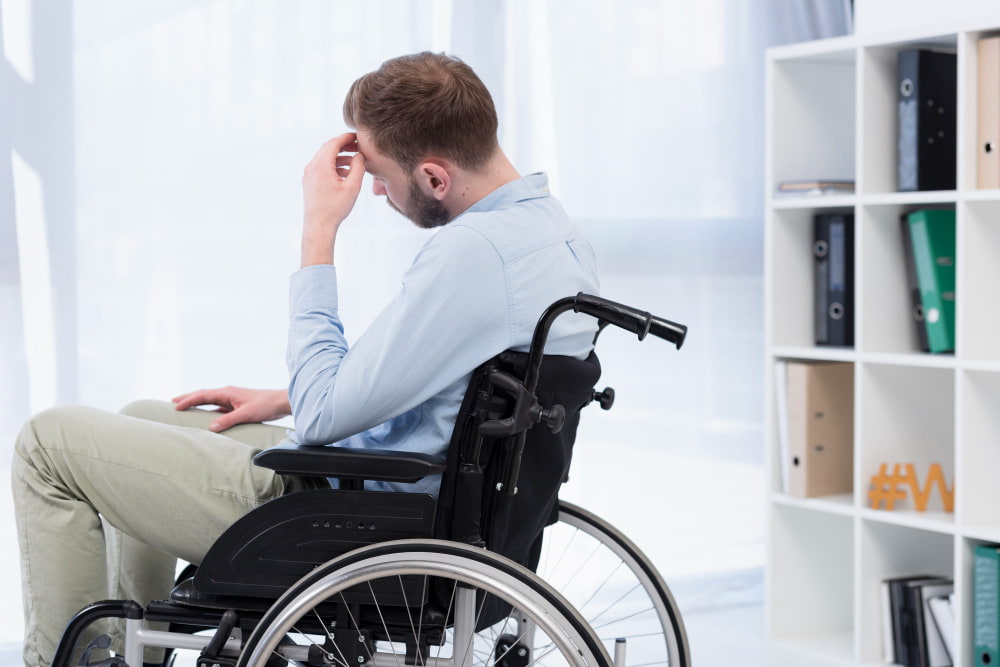

Guillain-Barré syndrome (GBS) is a rare but serious neurological disorder in which the body’s immune system mistakenly attacks the nerves. This autoimmune reaction can lead to weakness, numbness, or even paralysis. Although GBS can develop rapidly and become life-threatening, early diagnosis and appropriate treatment often allow for a full recovery.
What is Guillain-Barré Syndrome (GBS)?
Guillain-Barré syndrome is a condition in which the immune system attacks part of the peripheral nervous system—the network of nerves that sends signals from the brain and spinal cord to the rest of the body.
GBS usually begins suddenly and progresses over hours, days, or weeks. Symptoms may start as mild weakness or tingling in the feet or hands but can rapidly escalate to paralysis affecting the legs, arms, face, or breathing muscles. In severe cases, GBS can interfere with breathing, heart rate, or blood pressure, making it a medical emergency.
Despite its potential severity, most people recover fully with proper medical care. Recovery may take several months to years, and some individuals may experience lingering weakness, numbness, or fatigue.
Types of Guillain-Barré Syndrome
Guillain-Barré syndrome is not a single disorder but a group of related conditions. Symptoms and progression can vary depending on the type. The main forms include:
Acute Inflammatory Demyelinating Polyradiculoneuropathy (AIDP): The most common form in North America and Europe. Weakness usually begins in the legs and spreads upward. The immune system primarily damages the myelin sheath, the protective layer around nerves.
Miller Fisher Syndrome (MFS): Characterized by paralysis beginning in the eyes, unsteady walking, and coordination difficulties. MFS is less common in the U.S. but more prevalent in Asia.
Acute Motor Axonal Neuropathy (AMAN) and Acute Motor-Sensory Axonal Neuropathy (AMSAN): These forms primarily affect the axons themselves rather than the myelin sheath. They are more common in countries like China, Japan, and Mexico.
Understanding the type of GBS is important because it influences symptom presentation, disease progression, and treatment strategies.
Symptoms of Guillain-Barré Syndrome
The symptoms of Guillain-Barré syndrome usually develop rapidly and can range from mild tingling to severe paralysis. Recognizing early signs is crucial for timely treatment.
Early Signs and Initial Symptoms
Early symptoms often begin in the hands and feet and may include:
Tingling or “pins and needles” sensations in the fingers, toes, ankles, or wrists.
Weakness in the legs, sometimes making walking or climbing stairs difficult.
Unsteady gait or balance problems.
Some people may initially notice symptoms in the face or arms. In children, early signs may also include refusal to walk or difficulty with movement.
Progression of Symptoms
As GBS progresses, muscle weakness may spread from the lower limbs to the upper body and face. Additional symptoms can include:
Trouble with facial movements, including speaking, chewing, or swallowing.
Double vision or difficulty moving the eyes.
Severe pain, often achy, shooting, or cramp-like, which may worsen at night.
Problems with bladder or bowel control.
Rapid heart rate or fluctuations in blood pressure.
Difficulty breathing in severe cases.
Most people experience their most significant weakness within two weeks of symptom onset, reaching peak severity by the third week.
When to Seek Immediate Medical Attention
GBS can worsen quickly and requires hospitalization. Seek urgent medical care if you notice:
Rapidly spreading weakness or tingling starting in the feet or hands.
Difficulty breathing or shortness of breath, especially when lying flat.
Choking on saliva or trouble swallowing.
Early intervention increases the likelihood of a full recovery.
What Causes Guillain-Barré Syndrome?
The exact cause of Guillain-Barré syndrome is unknown, but the disorder is usually triggered by the body’s immune response. In GBS, the immune system mistakenly attacks healthy nerve tissue, sometimes after an infection.
Two-thirds of cases follow a respiratory or gastrointestinal infection within the preceding six weeks. Common triggers include:
Campylobacter jejuni infection (a leading cause of gastroenteritis).
Viral infections, such as influenza, COVID-19, Zika virus, cytomegalovirus, or Epstein-Barr virus.
Rarely, surgery or certain vaccinations can trigger GBS.
The autoimmune response may occur because some proteins on bacteria or viruses resemble components of the nerves. This “molecular mimicry” causes the immune system to attack both the pathogen and healthy nerve cells.
GBS is not inherited or contagious and can affect people of any age, though adults and those over 50 are more frequently affected.
Diagnosing Guillain-Barré Syndrome
Diagnosing GBS can be challenging because early symptoms mimic other neurological disorders. Doctors typically use a combination of medical history, physical examination, and diagnostic tests:
History and Physical Exam: Doctors assess muscle strength, reflexes, and whether symptoms are symmetrical on both sides of the body. Rapid onset of weakness is a key indicator of GBS.
Nerve Conduction Velocity Test (NCV): Measures how efficiently electrical signals travel along the nerves. Damage to myelin or axons slows signal transmission.
Cerebrospinal Fluid (CSF) Analysis: A lumbar puncture may reveal elevated protein levels with normal white blood cell counts, characteristic of GBS.
Imaging: MRI of the spinal cord or brain may be used to rule out other causes of weakness.
Early diagnosis allows for prompt treatment and improved outcomes.
Treatment Options for Guillain-Barré Syndrome
There is no cure for GBS, but treatment can reduce symptom severity, prevent complications, and speed recovery. Most patients are treated in a hospital, often in an intensive care unit.
Acute Care
Two therapies are commonly used to stop immune-mediated nerve damage:
Plasma Exchange (Plasmapheresis): Removes plasma containing harmful antibodies and returns blood cells with replacement fluid. This may reduce the immune attack on nerves.
Intravenous Immunoglobulin (IVIg): Involves infusions of antibodies from healthy donors to neutralize harmful antibodies and reduce immune system activity.
Corticosteroids are generally ineffective in treating GBS.
Supportive care is critical to manage complications such as respiratory failure, abnormal heart rate, blood pressure fluctuations, and difficulty swallowing. Mechanical ventilation may be needed for patients with severe breathing issues.
Rehabilitative Care
Once stabilized, patients often transition to a rehabilitation program to regain strength and independence. Rehabilitative care may include:
Physical Therapy: Exercises to improve muscle strength, flexibility, and coordination. Therapists may use “substitution” techniques, training stronger muscles to compensate for weaker ones temporarily.
Occupational Therapy: Helps patients relearn daily activities and adapt to physical limitations.
Assistive Devices: Canes, walkers, or adaptive tools may be recommended to support mobility and independence.
Some patients may benefit from advanced therapies in specialized cases, though these are typically reserved for experimental or complex neurological conditions.
The Recovery Process from Guillain-Barré Syndrome
Recovery from GBS is often gradual and may take weeks to years. Most patients can walk independently within six months, although some experience lingering symptoms such as:
Muscle weakness or loss of endurance.
Persistent numbness or tingling.
Fatigue or chronic pain.
Full recovery is possible, but it requires patience, ongoing therapy, and careful management of complications. Emotional support, counseling, and support groups can be valuable during the recovery journey, helping patients cope with the psychological impact of sudden paralysis and dependence.
Risk Factors and Prevention of Guillain-Barré Syndrome
While GBS can affect anyone, certain factors increase the likelihood of developing the condition:
Age over 50.
Recent bacterial or viral infections, particularly gastrointestinal or respiratory infections.
Certain viral epidemics, including COVID-19 or Zika.
Recent surgery or, rarely, specific vaccinations.
Since the cause is autoimmune and often triggered by infections, there is no guaranteed way to prevent GBS. Maintaining overall immune health, timely vaccination, and infection prevention measures can reduce risk, though they cannot eliminate it entirely.
Living with Guillain-Barré Syndrome
Living with GBS can be challenging, particularly during the initial phase when paralysis or severe weakness occurs. Key considerations for patients include:
Regular Follow-Up: Continuous monitoring of nerve function, muscle strength, and autonomic symptoms.
Physical and Occupational Therapy: Essential for regaining mobility and independence in daily activities.
Managing Complications: Monitoring for heart, lung, or bladder issues, and addressing chronic pain or fatigue.
Emotional Support: Counseling or support groups can help cope with stress, depression, or anxiety related to sudden disability.
Many people fully regain their independence and return to normal life, but some may need long-term adjustments or assistive devices. With proper care, most patients achieve meaningful recovery and improved quality of life.
Guillain-Barré syndrome is a rare, autoimmune neurological disorder that can develop rapidly and become life-threatening. Early recognition of symptoms, prompt hospitalization, and effective treatment are essential for improving outcomes. Although recovery can be slow and sometimes incomplete, most people regain strength and independence with intensive care and rehabilitation. Awareness of the symptoms, risk factors, and treatment options is crucial for patients, families, and caregivers.For those exploring additional neurological therapies during recovery or for long-term nerve function, innovative approaches like Deep Brain Stimulation and Stem Cell Therapy may offer potential support in specialized cases.


 Makaleye Dön
 E-Result
 WhatsApp