


 TR
 EN
 RU
 AR
 FR


A herniated disk—also frequently referred to as a slipped disk or ruptured disk—is a common spinal condition that can cause significant discomfort. Your spine is made up of bones called vertebrae, which are cushioned by small, rubbery pillows known as spinal disks.
Each disk has a soft, jellylike center (the nucleus) encased in a tougher, rubbery exterior (the annulus). A spinal disk herniation occurs when some of the nucleus pushes out through a tear in the annulus. This can irritate nearby nerves, leading to sharp back pain, leg pain, or unexpected weakness.
What is a Herniated Disk?
A herniated disk occurs when the internal "jelly" of a spinal cushion leaks out through a crack in the exterior. While this can happen anywhere along the spine, a herniated disk in the lower back (lumbar spine) is the most common diagnosis. It can also occur as a herniated disk in the neck (cervical spine), affecting the shoulders and arms.
It is helpful to distinguish between a bulging disc and a herniated one. A bulging disc in the back occurs when the disk extends outside its normal space but hasn't necessarily ruptured. A herniated disk, however, involves an actual tear, which is more likely to cause nerve compression.
Symptoms of a Herniated Disk
Herniated disk symptoms vary depending on where the disk is located. Interestingly, many people have a bulging disc visible on imaging tests but experience no pain at all. When the disk does press on a nerve, symptoms typically include:
Arm or Leg Pain: If the herniation is in your lower back, you may experience sciatica—a sharp or burning pain that radiates from the buttocks down into the leg and foot. For a bulging disc in the neck, pain typically shoots into the shoulder and arm.
Numbness or Tingling: You might feel "pins and needles" in the specific body part served by the affected nerves.
Weakness: Muscles connected to the pinched nerves can weaken, which might cause you to stumble or make it hard to lift items.
Sharp Shifts in Pain: Pain often flares up suddenly when you cough, sneeze, or move into certain positions.

Causes and Risk Factors
Understanding the causes of herniated disk issues is the first step toward recovery and long-term prevention.
Common Causes of Disk Herniation
The most frequent cause is disk degeneration, which is a gradual, aging-related wear and tear. As we age, our disks lose water content, making them less flexible and more prone to tearing even with minor movements. Other causes include:
Improper Lifting: Using back muscles instead of leg muscles to lift heavy objects.
Trauma: In rare cases, a fall or a blow to the back can cause a rupture.
Twisting: Sudden twisting movements while lifting or reaching.
Factors Increasing Your Risk
Several herniated disk risk factors can make your spine more vulnerable:
Weight: Excess body weight puts extra mechanical stress on the disks in your lower back.
Occupation: Jobs involving repetitive lifting, pulling, or pushing.
Genetics: Some people inherit a predisposition to developing spinal issues.
Smoking: It is believed that smoking reduces the oxygen supply to the disks, causing them to break down faster.
Sedentary Lifestyle: A lack of regular exercise weakens the support muscles around your spine.
Diagnosis of a Herniated Disk
To provide the most effective herniated disc treatment, an accurate diagnosis is essential. Your doctor will perform a physical exam to check for tenderness and a neurological exam to test your reflexes and muscle strength.
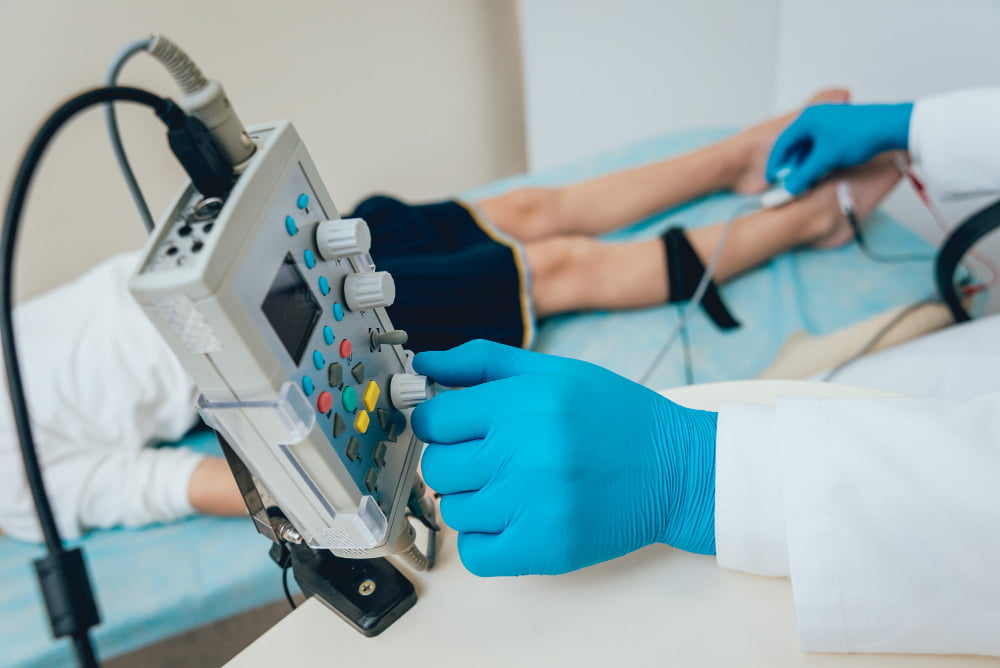
If further detail is needed, imaging tests such as an MRI or CT scan are used to confirm the location of the herniation. In some cases, nerve tests like an Electromyogram (EMG) help pinpoint exactly which nerves are being compressed.
Treatment Options for Herniated Disks
Most cases of herniated disk pain can be managed with conservative, non-surgical methods.
Medications and Therapy
Doctors often recommend over-the-counter pain relievers or muscle relaxers for initial relief. If the pain is severe, cortisone injections can be delivered directly into the area around the spinal nerves to reduce inflammation. Additionally, physical therapy is highly effective; a therapist can teach you specific positions and exercises designed to minimize sciatica and pressure on the disk.
Surgical Options
If disc bulge treatment does not improve your symptoms after six weeks, or if you experience a loss of bladder or bowel control, surgery may be an option. The most common procedure is diskectomy, more specifically a microdiskectomy, a minimally invasive surgery where the surgeon removes only the protruding portion of the disk to relieve pressure.
Recovery and Rehabilitation
How long does it take to recover? Most people feel significantly better within a month. During this time, it is important to:
Avoid Too Much Bed Rest: Staying in bed for too long can lead to stiff joints and weak muscles.
Use Temperature Therapy: Use ice packs initially to reduce swelling, then switch to gentle heat for comfort.
Resume Activity Slowly: Let your pain be your guide. Make sure your movements are slow and controlled, especially when bending forward.
Preventing Herniated Disks
Protecting your spine is a lifelong process. To reduce your risk, focus on proper lifting techniques (bend your knees, not your back) and maintaining a healthy weight to take the pressure off your lower spine. Practicing good posture while sitting or standing and quitting smoking also play major roles in keeping your spinal disks healthy and hydrated.
Living With a Herniated Disk
Living with a slipped disk can be frustrating, but the outlook is generally very positive. Most symptoms resolve on their own with consistent care.
However, you should seek emergency medical attention if you experience saddle anesthesia (numbness in the areas that would touch a saddle) or a sudden loss of bladder or bowel control, as these can be signs of a rare but serious complication called cauda equina syndrome.
Herniated Disk Treatment in Turkey at Medical Park
For international patients seeking world-class care, Medical Park offers advanced herniated disc treatment in Turkey. As the largest healthcare group in the country, Medical Park combines academic expertise with state-of-the-art technology to provide comprehensive spinal care.
Patients choosing Medical Park for their herniated disk treatment benefit from:
Minimally Invasive Techniques: Our surgeons specialize in microdiskectomy and endoscopic procedures, which result in smaller incisions, less tissue damage, and faster recovery times.
Multidisciplinary Approach: Your care team includes board-certified neurosurgeons, orthopedic specialists, and physical therapists working together on a personalized plan.
Advanced Technology: Our facilities are equipped with high-resolution imaging and robotic-assisted surgical tools to ensure the highest level of precision.
Dedicated International Support: From multilingual staff to all-inclusive treatment packages that cover airport transfers and VIP hospitalization, we ensure a seamless experience for those traveling for care.
At Medical Park, we are committed to helping you navigate every step of your journey from diagnosis to your final day of rehabilitation. For a more in-depth look at the specialized procedures offered at our Orthopedics and Traumatology departments, explore our detailed guide on orthopedic treatment in Turkey.




 Makaleye Dön
 E-Result
 WhatsApp