


 TR
 EN
 RU
 AR
 FR


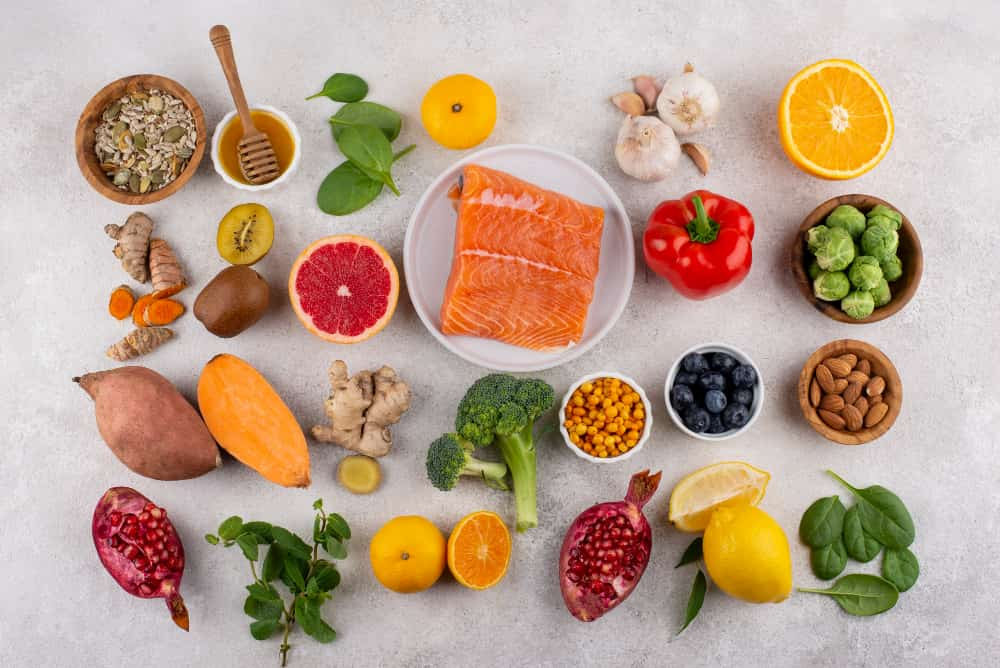

“Inflammation” is a scientific term that translates to swelling, redness, pain, loss of function, and heat. It generally occurs in response to tissue injury or infection. In today’s fast-paced world, many things predispose the body to chronic inflammation.
Adopting an anti-inflammatory diet and lifestyle not only prevents many diseases related to chronic inflammation, but it also heals and energizes the body. In this blog, we explore what inflammation is, why is it important to prevent chronic inflammation, and how to reduce inflammation in our bodies.
Understanding Inflammation and Its Effects
Inflammation is the process through which the human body responds to injury, infection, or other harmful stimuli. The rise of a sedentary lifestyle, accessibility of processed foods, and exposure to free radicals keep the body in a constant state of chronic inflammation. This contributes to diseases like heart and kidney disease, hypertension, joint disease (Osteoarthritis), etc.
Over the years, a lot of research has been done on chronic inflammation. As people become more aware of these adverse effects, many seek treatment for chronic inflammation. Awareness campaigns focusing on the adverse impact of chronic inflammation aim to educate people about adopting an anti-inflammatory lifestyle.
Common Inflammatory Diseases and Disorders
Disease and disorder are two different terms. A disease has an identifiable cause, symptoms, and treatment options. Whereas, a disorder may be physical, mental, or behavioral, without a clear underlying cause or symptoms. Chronic inflammation can cause both.
Patients presenting with inflammatory disorder may have the following chronic health issues:
Diabetes – Type 2
Heart Disease
Respiratory Disease (Asthma)
Dermatitis
Autoimmune diseases such as Systemic Lupus Erythematosus
Inflammatory Foods to Avoid
Food is a common factor contributing to the presence of chronic inflammation. When patients experience some symptoms related to the chronic inflammation, they are advised to seek treatment.
As they do so, they are advised to avoid the inflammatory foods such as processed meats containing preservatives and saturated fats, refined carbohydrates like breads and baked goods, alcohol known to be pro-inflammatory, fizzy drinks that are high in sugar, and trans fats which are linked to cardiovascular disease.
The Anti-Inflammatory Diet Explained
The anti-inflammatory diet focuses on ingredients that decrease inflammation and promote health. Anti-inflammatory foods include the following:
Vegetables and fruits
Healthy fats (Olive oil, Avocado oil, nuts)
Fish (Salmon, Mackerel)
Whole Grains
Chicken meat
Spices /Herbs (Ginger, Turmeric)
Eating anti-inflammatory foods improves quality of life and health status. Anti-inflammatory ingredients in Turkey are a part of the traditional cuisine. Therefore, patients with chronic inflammation do not have to make extensive diet adjustments.
Top Anti-Inflammatory Foods
The most effective anti-inflammatory foods are leafy greens, berries, and fish. As cases of chronic inflammation rise in big cities like Istanbul, a diet rich in these food groups is a necessity for good health. All these foods are rich sources of vitamins, minerals, Omega-3 fatty acids, etc., and prevent free radical damage.
International patients seek chronic inflammation treatment and anti-inflammatory diet plans in Turkey due to the availability of affordable healthcare and expert dieticians/clinicians.
Natural Anti-Inflammatory Remedies
Natural anti-inflammatory materials aim to decrease inflammation without relying on medication. Common anti-inflammatory remedies in Turkey include ginger/garlic, turmeric, fish oil, flaxseed, green tea, and Epsom salt baths. Herbal supplements with these natural anti-inflammatories are available in Istanbul in various pharmacies as well. To treat chronic inflammation, doctors also emphasize adequate sleep, stress reduction, and the use of cold compresses.
Medical Anti-Inflammatory Treatments (NSAIDs)
Non-steroidal Anti-inflammatory drugs (NSAIDs) are the medication of choice for all kinds of inflammation. These drugs block the COX-1 and COX-2 receptors that are responsible for inflammation. Common NSAIDs prescribed in Turkey include Ibuprofen, Aspirin, Naproxen, etc. Patients with inflammatory diseases like arthritis, muscle pain, etc., use NSAIDs to decrease the signs of inflammation.
Many NSAIDs are available for over-the-counter use. However, due to potential side effects, the chronic use of NSAIDs in Istanbul and other parts of the world is not encouraged. It is also emphasized that the medication should be used when prescribed by the doctors.
Anti-Inflammatory Meal Ideas (Breakfast/Lunch/Dinner)
An anti-inflammatory diet can only be successful if it is consistent. Therefore, an anti-inflammatory breakfast, lunch, and dinner are essential. Dieticians in Turkey emphasize the use of anti-inflammatory ingredients like leafy greens, berries, fish, and lentils for every meal.
As anti-inflammatory foods are easily accessible, an appropriate example of a breakfast plan may include oatmeal with berries, chia seeds, and walnuts. For chronic inflammation patients in Istanbul, diet experts at the Medical Park Hospitals provide effective breakfast/lunch/dinner diet plans.
Anti-Inflammatory Movement and Exercises
Tackling inflammation is not just limited to food. Anti-inflammatory exercises and movements also help. The most effective exercises are walking, yoga, swimming, Tai-chi, stretching, strength training, etc. However, physicians emphasize restraint and moderation because excessive training may make inflammation worse.
To tackle chronic inflammation, there is a renewed push to have accessible green spaces and walking paths. For optimum success, consistency is key. Low-impact exercises like walking or swimming are better for joint health and mobility.
Stress Management and Inflammation
Stress is a cause of chronic inflammation. It is a common factor among chronic inflammation patients and worldwide. Stress causes hormonal fluctuations, which in turn promote and sustain chronic inflammation. Patients presenting with stress-related chronic inflammation usually suffer from heart disease, hypertension, digestive problems, etc.
The 21-Day Anti-Inflammatory Challenge
The 21-day anti-inflammatory challenge is a guided nutritional commitment designed to help individuals reduce chronic inflammation naturally and sustainably. Over the course of three weeks, participants follow a consistent anti-inflammatory diet focused on whole, nutrient-dense foods such as fresh vegetables, fruits, lean proteins, healthy fats, legumes, and whole grains.
Anti-inflammatory dietary approach supports the body’s healing processes, improves gut health, and may alleviate symptoms related to inflammation, such as joint pain, fatigue, brain fog, and skin issues. The real challenge, however, lies not in eating more greens or drinking herbal teas—it’s in cutting out pro-inflammatory foods that have become staples in many modern diets. This includes eliminating all forms of junk food, sugary snacks, refined carbohydrates, processed meats, artificial additives, and industrial seed oils.
For many, the 21-day journey becomes more than just a diet—it’s a reset. It encourages mindfulness about what goes into your body and helps break cycles of unhealthy cravings. By the end of the challenge, many people report increased energy, better digestion, improved sleep, and even clearer skin. It's not just about restriction; it's about rebuilding a relationship with food that prioritizes long-term wellness.




 Makaleye Dön
 E-Result
 WhatsApp