


 TR
 EN
 RU
 AR
 FR


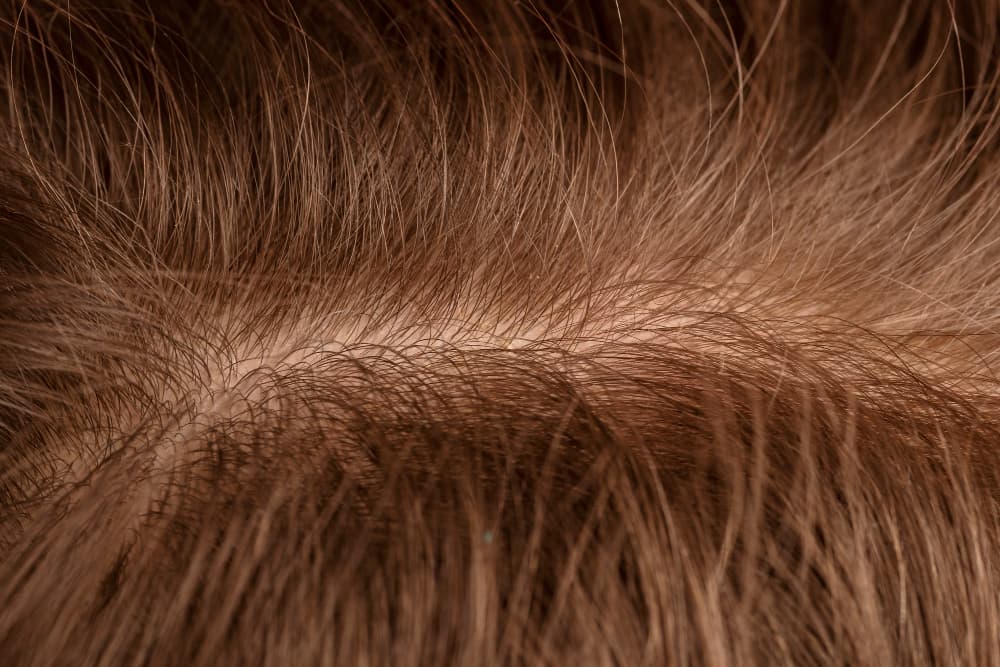

Hair is a defining feature of human identity and self-expression, often considered a crucial component of overall aesthetics. Yet, beneath its surface appearance lies a complex and resilient structure that significantly influences its look, feel, and general condition. The visible, non-living portion of the hair is called the hair shaft and it is particularly important to hair architecture and vitality, acting as a crucial interface between the protective follicle and the external environment. Understanding this key anatomical element is the first step toward effective hair care and management. In this blog, you can learn more about the hair shaft and the factors that affect its properties.
What Is The Shaft Of The Hair?
This section will give a general review of the hair shaft, stressing its importance and laying the groundwork for a more in-depth investigation of its layers and features. The term "hair shaft" refers to the visible part of the hair that comes out from the scalp. It comprises specialized cells that have undergone keratinization, giving the hair distinct characteristics and tenacity. The hair follicle that forms the root of the hair to grow is situated above the hair shaft. Keratin is a protein that serves as the structure of the hair.
The cylindrical shape of the hair shaft can vary in length and diameter depending on factors including heredity and personal traits. It might be thick and coarse or fine and delicate. The hair shaft performs several crucial tasks. It helps control body temperature, serves as a barrier to protect the hair's underlying structures, and affects sensory perception. The versatility of the shaft of the hair in styling, coloring, and manipulation makes it crucial for an individual's aesthetics and self-expression.
Understanding the Structure of the Layers of the Hair Shaft
Three different layers make up the hair shaft. Each layer significantly influences our hair's general features, including its strength, texture, and layering. Below are the structure and purposes of the different layers of the hair shaft:
- Cuticle: The outermost covering that resembles roof shingles is called the cuticle. It comprises cells that overlap and resemble scales. The cuticle is essential to protect the hair shaft from harm and moisture loss. Additionally, it helps the hair be shiny, silky, and resilient to environmental assaults.
- Cortex: The cortex, which makes up the majority of the volume of the hair shaft, is located beneath the cuticle. Long keratin protein chains in this layer give the hair strength and suppleness. The cortex controls the hair's color, texture, and curl pattern. It is also responsible for the hair's flexibility and capacity to assume its former form after being stretched.
- Medulla: The innermost layer of the hair shaft, which is not always present in each hair strand, is the Medulla. It is made up of air gaps and loosely packed cells. The role of the Medulla is unclear, and its existence or absence does not affect the general makeup of the hair.
Role Of Hair Shaft in Hair Growth
The hair growth process depends heavily on the hair shaft. Specialized cells in the hair bulb replicate and divide to push older cells forward and create the hair shaft, where hair growth starts. The sebaceous glands, which secrete oils that moisturize the hair and scalp, are passed by as the hair shaft lengthens.
For optimal hair growth, the condition and integrity of the hair shaft are crucial. Split ends or breakage can result from cuticle damage, which harsh handling, chemical treatments, or excessive heat style can bring on. Proper maintenance, including routine conditioning, limiting exposure to heat and chemicals, and gentle handling, encourages healthy hair development and reduces damage.
Factors Affecting the Properties of the Hair Shaft
Numerous factors affect the properties of the hair shaft, including its texture, thickness, and general look. Some of them are:
- Genetics: The features of the hair shaft are significantly influenced by genetics. Different genes regulate traits like hair color, thickness, growth rate, and texture (straight, wavy, curly, or kinky). These inherited genetic features from our parents contribute to the inherent variance in hair kinds and traits we see.
- Ethnicity and Ancestry: Hair shaft properties fluctuate depending on an individual's race and ancestry. For instance, people of East Asian heritage typically have thick, straight hair, but people of African descent frequently have tightly curled hair. Population-specific genetic variables explain these variances.
- Hormones: Androgens, in particular, dihydrotestosterone (DHT) and testosterone, can directly impact the hair shaft characteristic. The characteristics of the hair shaft can also change due to fluctuating hormone levels throughout puberty, pregnancy, and menopause.
- Age: The hair shaft starts to change as you age. Grey or white hair will have a different texture. Aging affects both the production of melanin, the pigment that gives hair color, and the general health and vitality of the hair shaft.
- Environmental variables: Hair shafts can be affected by environmental variables such as exposure to the sun, pollution, humidity, and temperature. For instance, UV rays can result in structural damage and color fading, but excessive humidity levels may produce frizz or a loss of curl definition.
- Hair care procedures: How we care for our hair dramatically impacts its behavior. Dryness, breakage, or split ends can be caused by heat style, chemical treatments (such as perming or relaxing), excessive brushing or combing, and harsh chemicals. However, good hair care techniques, including gentle handling, routine conditioning, and protective styling, can support preserving the condition of the hair shaft.
Choosing Medical Park For Hair Treatments in Turkey
Medical Park Hospitals in Turkey offer various medical services, including hair maintenance and restoration procedures. The hospital in Istanbul has experienced medical professionals who use state-of-the-art tools and techniques to treat patients with hair growth issues.
Medical Park Hospitals, the largest private healthcare organization in Turkey, offers unrivaled medical services thanks to its extensive network of 27 hospitals, more than 2500 highly qualified doctors, and a remarkable bed capacity of more than 5300. Patient safety is given immediate attention at Medical Park in Turkey, which utilizes more than 210 spotless operating rooms and has earned prestigious international certifications like JCI.
Our medical experts are available round the clock to ensure that your medical services are at par. Contact our medical experts to learn about hair care routines, aesthetic operations like hair transplant in Turkey, and factors impacting hair shaft characteristics.




 Makaleye Dön
 E-Result
 WhatsApp