


 TR
 EN
 RU
 AR
 FR


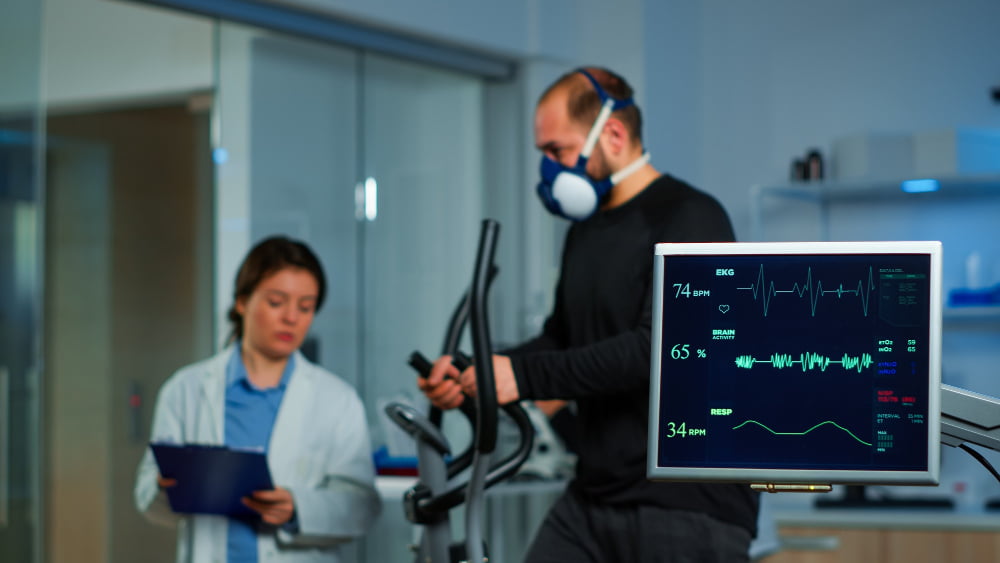

Cardiovascular disease remains the world's leading cause of death, responsible for an estimated 18 million deaths each year — the majority of which occur in people with no prior diagnosis. Yet up to 80% of premature cardiac events are preventable when risk factors are identified and managed early. The challenge is that the most dangerous risk factors, from elevated cholesterol and arterial plaque to early structural changes in the heart muscle, typically produce no symptoms at all until they trigger a major event.
A comprehensive screening to assess the overall health of your heart and blood vessels closes that gap, giving clinicians the information they need to act before damage is done. This guide explains what cardiovascular screening involves, who needs it, which heart tests are used, and why a check-up in Turkey at Medical Park represents a trusted and cost-effective option for international patients seeking world-class cardiac care.
What Is Cardiovascular Screening?
Cardiovascular screening is a structured series of medical tests designed to evaluate the health of your heart and blood vessels before symptoms develop. Also referred to as a cardiac screening, cardio check-up, or cardiovascular assessment, it is one of the most valuable tools in modern preventive medicine.
Unlike a standard clinical appointment prompted by a specific complaint, this proactive program assesses the circulatory system with the explicit goal of catching problems early, when they are most treatable. Whether initiated by the patient or recommended by a physician based on age, family history, or risk profile, a heart health screening provides a vital baseline for long-term wellness.
The scope of a cardiovascular screening program varies depending on the individual's clinical context, but a comprehensive assessment typically integrates:
Advanced Imaging: Detailed visual evaluations of heart structure and arterial health.
Electrophysiological Testing: Monitoring the heart's electrical activity and rhythm.
Laboratory Analysis: Targeted blood work to identify metabolic and inflammatory markers.
Specialist Consultation: A detailed review with a cardiologist to interpret findings.
Together, these tools build a complete picture of cardiovascular health, quantify risk over the coming years, and allow clinical teams to intervene with precision—whether through lifestyle guidance, medication, or further investigation.
Who Should Have a Cardiac Check-Up?
A common misconception is that heart health screening is only relevant for older adults or people who are already unwell. In reality, cardiovascular disease does not discriminate by age, fitness level, or outward appearance. Many individuals who suffer a sudden cardiac event had no prior warning and had never undergone a formal cardiovascular assessment.
A cardiovascular screening is strongly recommended for anyone who:
- Is aged 40 or above, regardless of current health status
- Has a first-degree family history of cardiovascular disease, myocardial infarction (heart attack), or sudden cardiac death
- Smokes or has smoked in the past
- Lives with high blood pressure, high cholesterol, or type 2 diabetes
- Is overweight or leads a predominantly sedentary lifestyle
- Experiences unexplained breathlessness, chest tightness, or palpitations
- Plans to begin high-intensity sport or competitive athletic training
- Has previously suffered a transient ischaemic attack (TIA) or minor stroke
- Has a high-pressure professional lifestyle with limited time for routine healthcare
Even individuals who feel entirely well can benefit from a cardiovascular screening, because many of the most dangerous risk factors — elevated LDL cholesterol, subclinical hypertension, and early arterial plaque — produce no symptoms whatsoever until they trigger a major event.
Cardiac Risk in the Young and Sudden Arrhythmic Death Syndrome
One of the most underappreciated areas of preventive cardiology is cardiac risk in the young. While cardiovascular disease is often associated with middle and older age, structural and electrical abnormalities of the heart can affect individuals of any age — including athletes, adolescents, and young adults who appear to be in excellent health.
- Sudden Arrhythmic Death Syndrome (SADS) — sometimes referred to as sudden death syndrome — describes sudden cardiac death occurring in an individual with a structurally normal heart, caused by a previously undetected electrical rhythm disorder. Conditions associated with SADS include Long QT syndrome, Brugada syndrome, catecholaminergic polymorphic ventricular tachycardia (CPVT), and Wolff-Parkinson-White (WPW) syndrome. These conditions are typically silent until they cause a life-threatening or fatal arrhythmia, often triggered by exercise or emotional stress.
- Hypertrophic cardiomyopathy — a condition in which the heart muscle becomes abnormally thickened — is one of the leading structural causes of sudden cardiac death in individuals under 35 and is frequently undetected without formal screening. Awareness of these conditions has grown substantially in recent years, driving demand for pre-participation cardiac screening programmes among sports organisations, schools, universities, and employers across Europe and the Middle East.

Heart Tests Used in Cardiovascular Screening
A comprehensive cardiovascular assessment at Medical Park draws on a range of internationally validated diagnostic tools. The specific combination of heart tests recommended for each patient is determined by their age, medical history, reported symptoms, and risk stratification during the initial consultation.
Electrocardiogram (ECG)
A resting electrocardiogram — also written as ECG or EKG — is a painless, non-invasive test that records the electrical signals produced by the heart with each beat. It takes only a few minutes and requires no preparation. The ECG is capable of detecting arrhythmias (irregular heart rhythms), conduction abnormalities, signs of a previous silent myocardial infarction, and electrical patterns associated with inherited conditions such as Long QT syndrome and Brugada syndrome. A resting ECG is included in every level of cardiac screening and is typically the first investigation performed.
Echocardiogram
An echocardiogram uses high-frequency sound waves to produce real-time moving images of the heart. It is regarded as the gold standard for assessing cardiac structure, revealing the size and function of the heart's chambers, the condition and movement of all four heart valves, the thickness of the heart muscle, and overall pumping efficiency. An echocardiogram is entirely painless, involves no radiation, and is the most effective single heart scan for identifying hypertrophic cardiomyopathy, valvular disease, congenital heart diseases, and impaired myocardial function.
Exercise Stress Test
An exercise stress test — sometimes called a treadmill test or exercise ECG — evaluates how the heart responds to controlled physical exertion. The patient walks or runs on a treadmill at progressively increasing intensity while heart rate, rhythm, blood pressure, and symptoms are monitored continuously. This cardiovascular test reveals ischaemia (reduced blood flow to the heart muscle), exercise-induced arrhythmias, and abnormal blood pressure responses that would be invisible on a resting ECG. It is particularly valuable for identifying coronary artery disease and evaluating fitness levels before an increase in physical training.
Blood Tests
A targeted blood test panel is an essential component of every cardiac screening programme. In a comprehensive cardiovascular blood profile, clinics include a full fasting lipid panel (total cholesterol, LDL, HDL, and triglycerides), high-sensitivity C-reactive protein (hsCRP) as a marker of arterial inflammation, HbA1c, renal and thyroid function tests, and — where indicated — cardiac biomarkers such as troponin and NT-proBNP, which reflect myocardial stress and strain.
24-Hour Holter Monitoring
A 24-hour Holter monitor is a small wearable device that continuously records the heart's electrical rhythm over a full day — or up to 72 hours for extended monitoring. It captures intermittent arrhythmias that a standard resting ECG may miss because they occur unpredictably throughout the day. Holter monitoring is particularly indicated when a patient reports episodes of palpitations, dizziness, pre-syncope, or unexplained fatigue that may correspond to transient arrhythmic events.
CT Coronary Angiography and Calcium Scoring
For patients requiring deeper investigation, hospitals with modern diagnostic centers utilize CT coronary angiography — a non-invasive heart scan that visualises the coronary arteries in detail and calculates a coronary artery calcium (CAC) score. The CAC score is one of the most powerful independent predictors of future cardiac events available in clinical practice and is particularly useful for reclassifying risk in patients whose standard risk factor profile is borderline or ambiguous.
By identifying the specific location and density of calcified plaque, this diagnostic tool allows clinicians to personalize preventative strategies with high clinical accuracy. Cardiac MRI is also utilized for precise characterisation of myocardial tissue, perfusion, and function in complex or high-risk cases. These advanced imaging modalities ensure that subclinical abnormalities are caught long before they progress to a critical cardiovascular event.
Understanding What Your Cardiovascular Assessment Reveals
The results of a cardiovascular screening are not simply a set of measurements to file away. In clinical practice, every finding is integrated by a specialist cardiologist into a personalised risk profile that draws on validated scoring frameworks such as the SCORE2 system endorsed by the European Society of Cardiology. This risk profile informs tailored recommendations across four domains: lifestyle and nutrition, pharmacological intervention where appropriate, further diagnostic investigation, and the frequency of future surveillance.
Patients often leave their cardiac care consultation with a clearer understanding of their physiological health than they have ever had before. For many, the most important outcome is clinical reassurance — confirmation that the heart is structurally sound, rhythmically stable, and free of significant disease. For others, screening identifies modifiable risk factors at a stage when targeted intervention can genuinely alter their long-term trajectory and prevent future complications.
Stroke Screening and Cerebrovascular Health
Stroke screening is an integral component of a complete cardiovascular assessment. The same biological processes that drive heart disease — arterial inflammation, endothelial dysfunction, atherosclerotic plaque formation, hypertension, and atrial fibrillation — are equally central to ischaemic stroke risk. Identifying and managing these factors is therefore a unified medical endeavour rather than two separate clinical pathways.
In a clinical setting, stroke risk assessment within a cardiovascular screening programme includes carotid artery duplex ultrasound — which measures intima-media thickness and identifies plaque in the vessels supplying the brain — alongside aortic pulse wave velocity and a thorough multi-reading blood pressure evaluation. Patients with known atrial fibrillation also receive formal stroke risk stratification using the CHA₂DS₂-VASc scoring system to guide clinical anticoagulation decisions.
Heart Disease and Myocardial Infarction (Heart Attack): The Case for Early Detection
Heart disease — encompassing coronary artery disease, heart failure, valvular disease, and arrhythmias — develops over years or even decades before producing clinical symptoms. A myocardial infarction (heart attack) occurs when an atherosclerotic plaque in a coronary artery ruptures and obstructs blood flow to part of the heart muscle, causing tissue death. Critically, many patients who suffer a first heart attack had cholesterol levels, blood pressure readings, and resting ECGs that appeared unremarkable in isolation — meaning that without a properly structured cardiovascular screening programme, their underlying disease went undetected until it caused irreversible damage.
Modern private cardiac screening is designed precisely to address this gap. By combining imaging with physiological stress testing and laboratory biomarkers, it identifies subclinical atherosclerosis, impaired microvascular function, and early myocardial changes that standard clinical assessment would miss. Early detection creates a window for intervention — whether through lipid-lowering therapy, blood pressure management, lifestyle modification, or cardiological follow-up — that can reduce the probability of a future myocardial infarction or stroke by a clinically meaningful margin.
Private Cardiac Screening in Turkey
Turkey has established itself as one of Europe's most respected destinations for high-quality private medical care, and cardiology is among its greatest areas of clinical strength. A check-up in Turkey at Medical Park combines internationally trained cardiologists, state-of-the-art diagnostic infrastructure, Joint Commission International (JCI) accreditation, and treatment costs that are substantially lower than equivalent programmes in the United Kingdom, Germany, or the Netherlands — without any compromise in clinical quality or patient safety.
For international patients, one of the most practical advantages of a cardio check-up in Turkey is the absence of waiting times. Across the United Kingdom and much of Western Europe, accessing private cardiac screening through the standard referral pathway can involve waits of several months. At Medical Park hospitals across Istanbul, Ankara, Antalya, Bursa, and other major cities, most screening programmes — including advanced packages incorporating echocardiography, exercise stress testing, and CT calcium scoring — can be completed within a single day or over two consecutive appointments.
Why Medical Park for Cardiovascular Screening?
Medical Park is Turkey's largest private healthcare network, and its Cardiology departments are equipped with the full range of diagnostic and interventional technology required to deliver a comprehensive cardiovascular assessment to international patients. All cardiovascular testing equipment is calibrated to international standards, imaging is reported by subspecialist cardiologists, and all written reports are provided in English and can be shared electronically with a patient's home physician to ensure continuity of cardiac care.
Medical Park's dedicated International Patient Centre provides end-to-end coordination for patients arriving from abroad, including multilingual support in English, Arabic, German, and Russian, visa and travel assistance, airport transfers, and accommodation guidance. Patients receive a full written clinical report from their cardiologist, digital copies of all imaging studies, and clear follow-up recommendations — everything required to act on the results of their heart health screening wherever they live.
Whether you are seeking a straightforward cardiac check-up, a comprehensive cardiovascular screening programme as part of an executive health assessment, or specialist evaluation of a specific cardiac concern, Medical Park's cardiology team is prepared to offer you a personalised pathway from the moment of first enquiry through to follow-up care. To book a consultation or to discuss which cardiovascular assessment is most appropriate for your needs, contact the Medical Park International Patient Centre directly.


 Makaleye Dön
 E-Result
 WhatsApp