


 TR
 EN
 RU
 AR
 FR


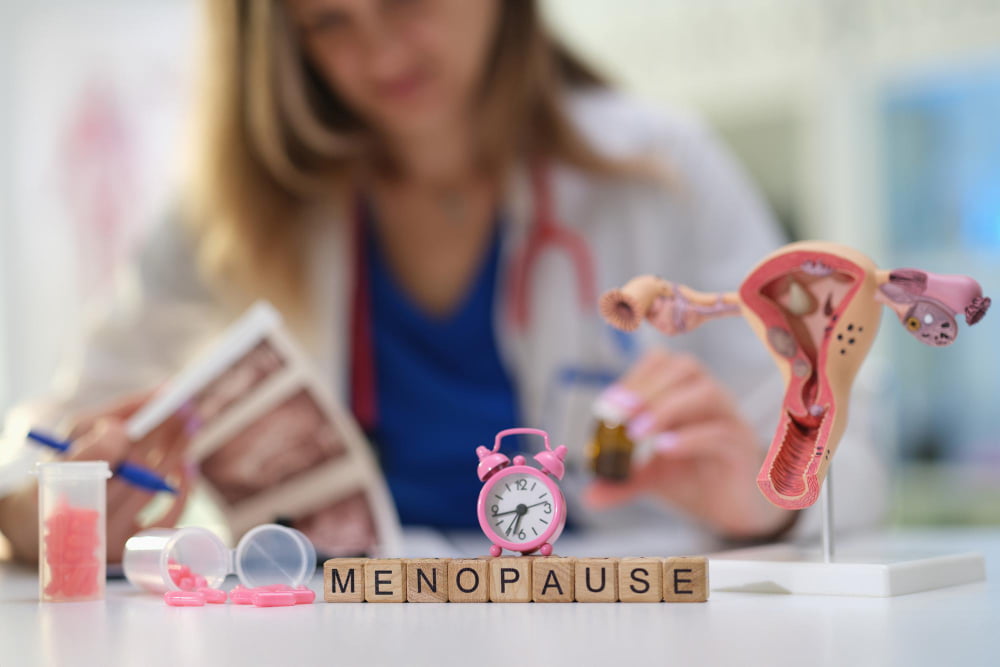


Menopause is a natural biological milestone in every woman's life, marking the permanent end of menstrual cycles and reproductive years. While it is a normal transition, the physical, hormonal and emotional changes that accompany it can significantly affect quality of life.
Understanding what menopause is, when it occurs, what signs of menopause to look for and what menopause treatments are available empowers women to navigate this stage with confidence and care. This comprehensive guide covers everything from perimenopause and early menopause symptoms to hormone replacement therapy (HRT), menopause diet guidance and long-term health strategies.
What is Menopause?
Menopause is clinically defined as the point in time 12 consecutive months after a woman's last menstrual period, in the absence of other biological or physiological causes. It signals the permanent cessation of ovarian function — the ovaries no longer release eggs and oestrogen production falls dramatically.
The average menopause age in many countries, including Turkey, the UK and the United States, falls between 45 and 55, with 51 being the most commonly cited median age. However, menopause is not a single event but a continuum spanning several years, divided into distinct stages: perimenopause, menopause and postmenopause.
- Perimenopause: The transitional phase leading up to menopause (typically 2–10 years before the final period)
- Menopause: The milestone defined as 12 consecutive months after the final menstrual period
- Postmenopause: All years following the menopause milestone
Understanding Perimenopause: The Transition Phase
Perimenopause — sometimes called the menopause transition — is the phase during which the body gradually produces less oestrogen and progesterone. This stage can begin as early as a woman's late 30s or early 40s, though it most commonly starts in the mid-to-late 40s. Menstrual cycles may become irregular, longer or shorter, and early menopause symptoms such as hot flashes and sleep disturbances may appear.
During perimenopause, a woman can still become pregnant, since ovulation continues — albeit unpredictably. The duration of this phase varies widely: some women experience it for just a few months; others navigate it for a decade. Recognising perimenopause is the first step in seeking timely support and planning appropriate care.
Recognizing the Symptoms of Menopause
Common Physical Symptoms
The signs of menopause are wide-ranging and can affect nearly every system in the body. Physical symptoms are often the first to appear and may begin during perimenopause, well before the last period. The most frequently reported include:
- Hot flashes: Sudden waves of intense heat, typically affecting the face, neck and chest, often accompanied by flushing and perspiration. They can last from 30 seconds to several minutes and may occur multiple times per day.
- Night sweats: Hot flashes that occur during sleep, leading to drenching sweats, disrupted rest and daytime fatigue.
- Vaginal dryness: Declining oestrogen thins and dries the vaginal walls, causing discomfort, itching and pain during intercourse — a condition known as genitourinary syndrome of menopause (GSM).
- Irregular periods: Cycles become unpredictable in frequency, duration and flow before stopping entirely.
- Sleep disturbances: Insomnia, frequent night waking and non-restorative sleep are common, often worsened by night sweats.
- Weight gain and metabolic changes: A shift in body fat distribution — particularly increased abdominal fat — is common, driven by hormonal changes and ageing.
- Urinary symptoms: Reduced oestrogen can weaken the pelvic floor, leading to increased urgency, frequency or stress incontinence.
- Joint and muscle aches: Many women report stiffness and musculoskeletal discomfort during the menopause transition.
Psychological and Emotional Symptoms
Menopause does not only affect the body; it profoundly influences mental and emotional wellbeing. Hormonal fluctuations directly impact neurotransmitters such as serotonin and dopamine, contributing to:
- Mood swings: Rapid, unpredictable changes in emotional state, ranging from irritability and anxiety to sadness or tearfulness.
- Anxiety and depression: Some women experience new-onset anxiety or depression during perimenopause and menopause, even with no prior history of mental health conditions.
- Brain fog and memory difficulties: Difficulty concentrating, forgetfulness and slowed thinking are frequently reported early menopause symptoms.
- Reduced libido: Decreased interest in sexual activity, often compounded by vaginal dryness and fatigue.
- Low self-esteem and identity changes: The psychological dimension of leaving reproductive years behind can affect a woman's sense of self.
It is important to distinguish between menopause-related mood changes and clinical depression or anxiety disorders. A specialist evaluation can help identify the right course of care.
Long-Term Health Implications of Menopause
Beyond immediate symptoms, the hormonal changes of menopause have lasting implications for long-term health:
- Osteoporosis: Oestrogen plays a key role in maintaining bone density. Its decline accelerates bone loss, increasing the risk of fractures — particularly of the spine, hip and wrist.
- Cardiovascular disease: Prior to menopause, oestrogen offers a degree of cardiovascular protection. After menopause, the risk of heart disease rises significantly.
- Urogenital atrophy: Ongoing vaginal and urinary symptoms can worsen over time without treatment.
- Cognitive health: Some research suggests links between menopause and increased dementia risk, though this remains an active area of investigation.

Exploring the Causes of Menopause
Natural Menopause: Age-Related Changes
The most common menopause cause is the natural, age-related decline in ovarian function. As a woman ages, her ovaries contain fewer follicles capable of responding to the hormones that trigger ovulation. Over time, oestrogen and progesterone production decreases progressively, eventually falling below the levels needed to sustain menstruation.
This hormonal shift also triggers changes in the hypothalamus and pituitary gland, altering the feedback loops that regulate the menstrual cycle. The result is rising levels of follicle-stimulating hormone (FSH) — a key marker used in menopause test evaluation — and the eventual cessation of periods.
Induced Menopause: Surgical or Medical Causes
Menopause can occur before its natural time due to medical interventions:
- Surgical menopause (oophorectomy): Removal of both ovaries results in immediate menopause, regardless of age. Because the drop in hormones is abrupt rather than gradual, symptoms are often more intense and require prompt management.
- Cancer treatments: Chemotherapy and pelvic radiation therapy can damage the ovaries and induce menopause. In some cases, ovarian function may partially recover; in others, the change is permanent.
- Certain medications: Some treatments used for conditions such as endometriosis or uterine fibroids temporarily suppress ovarian function and induce a reversible menopause-like state.
Premature and Early Menopause: Understanding the Differences
Not all women experience menopause at the expected time:
- Premature menopause (premature ovarian insufficiency, or POI) occurs before the age of 40. It affects approximately 1% of women and may be caused by autoimmune conditions, chromosomal abnormalities, infections or genetic factors.
- Early menopause occurs between ages 40 and 45. Like premature menopause, early menopause carries heightened risks for cardiovascular disease, osteoporosis and cognitive decline due to a longer period of oestrogen deficiency.
Both premature and early menopause warrant thorough medical evaluation and discussion of long-term hormone management to mitigate health risks. Early identification of early menopause symptoms is essential for timely intervention.
Diagnosing Menopause
When to See a Doctor
Many women wonder whether their symptoms require medical attention. The following situations call for a consultation with a gynaecologist or women's health specialist:
- Periods that stop before age 45
- Severe or disabling hot flashes, night sweats or mood symptoms
- Significant vaginal dryness affecting quality of life or sexual health
- Symptoms that may indicate conditions other than menopause — thyroid disorders, for example, can closely mimic menopause
- Desire to discuss menopause treatments, including HRT
- Concerns about osteoporosis risk or bone health
- Unexpected, heavy or irregular bleeding
A proactive approach to menopause care — rather than waiting until symptoms become unmanageable — leads to better outcomes and greater wellbeing.
Diagnostic Tests and Evaluations
For most women in their late 40s presenting with classic symptoms, a clinical diagnosis of perimenopause or menopause can be made without laboratory testing. However, a menopause test may be recommended in specific circumstances — particularly for younger women with suspected early or premature menopause. Key evaluations include:
- FSH (follicle-stimulating hormone) blood test: Elevated FSH levels (typically above 30 IU/L on two occasions) are a reliable indicator of reduced ovarian function.
- Oestradiol (E2) levels: Low oestradiol confirms reduced ovarian oestrogen output.
- Anti-Müllerian hormone (AMH): Reflects ovarian reserve and is particularly useful in assessing younger women.
- Thyroid function tests (TSH, T3, T4): Thyroid dysfunction shares many symptoms with menopause, making it important to rule out.
- Bone density scan (DEXA): Recommended for women with early or premature menopause, or those with additional osteoporosis risk factors.
- Lipid profile and blood pressure assessment: To evaluate cardiovascular risk at menopause.
Treatment Options for Managing Menopause
Hormone Replacement Therapy (HRT): Benefits and Risks
Hormone replacement therapy (HRT) remains the most effective medical treatment for menopausal symptoms. HRT supplements the body's declining oestrogen — and often progesterone — levels, alleviating symptoms such as hot flashes, night sweats, vaginal dryness and mood disturbances. Several formulations and routes of administration are available:
- Combined HRT (oestrogen + progesterone): Recommended for women who still have a uterus, to protect the uterine lining from the risk of endometrial cancer associated with oestrogen-only therapy.
- Oestrogen-only HRT: Suitable for women who have had a hysterectomy.
- Routes of delivery: Tablets, skin patches, gels, sprays, implants and vaginal preparations for localised vaginal and urinary symptoms.
Beyond symptom relief, HRT also provides significant long-term benefits: it reduces the risk of osteoporosis, may lower cardiovascular risk when initiated early in menopause and can improve quality of life and cognitive function. For women with premature or early menopause, HRT is particularly important to offset the risks associated with a prolonged period of oestrogen deficiency.
HRT is not appropriate for everyone. Women with a personal history of certain breast cancers, cardiovascular conditions or blood clots may not be candidates. A thorough individual risk-benefit assessment with a specialist is essential before beginning HRT. The risks are small for most women and must be weighed against the considerable benefits, particularly for symptomatic women under 60 or within ten years of menopause onset.
Non-Hormonal Treatments: Alternative Approaches
For women who are unable or prefer not to use HRT, several non-hormonal menopause treatments can provide meaningful relief:
- SSRIs and SNRIs (antidepressants): Low-dose venlafaxine or escitalopram have been shown to reduce hot flash frequency and severity and are particularly useful for women with co-existing mood symptoms.
- Clonidine: Originally used for hypertension, it can modestly reduce hot flashes in some women.
- Gabapentin: An anticonvulsant that may help with hot flashes and sleep disturbance.
- Fezolinetant: A newer non-hormonal prescription medication that targets the neurokinin 3 receptor pathway involved in triggering hot flashes.
- Local vaginal oestrogen: Even for women avoiding systemic HRT, low-dose vaginal oestrogen preparations are considered safe and highly effective for vaginal dryness and urinary symptoms.
- Cognitive behavioural therapy (CBT): Evidence-based psychological therapy has demonstrated effectiveness in reducing the distress caused by hot flashes and improving sleep and mood.
- Phytoestrogens and supplements: Plant-based compounds such as red clover and black cohosh are popular, though evidence for their efficacy is mixed and they should always be discussed with a healthcare provider before use.
Lifestyle Modifications: Diet, Exercise, and Stress Management
Lifestyle changes are a foundational element of menopause management and effectively complement medical treatments. A thoughtful menopause diet, regular physical activity and stress reduction strategies can meaningfully reduce symptoms and lower long-term health risks.
Menopause diet recommendations:
- Prioritise calcium-rich foods — dairy products, fortified plant milks, leafy greens and tofu — to support bone health
- Ensure adequate vitamin D through diet and supplementation where necessary
- Increase intake of oily fish, flaxseed and walnuts for their omega-3 fatty acids, which support heart and brain health
- Maintain an anti-inflammatory diet rich in fruit, vegetables and whole grains to manage weight and reduce systemic inflammation
- Limit alcohol, caffeine and spicy foods, which can trigger or worsen hot flashes and night sweats
- Stay well hydrated to counteract vaginal dryness and support metabolic health
Exercise and physical activity:
- Weight-bearing exercise — walking, jogging, dancing — and resistance training are particularly important for bone preservation
- Regular aerobic activity improves cardiovascular health, supports weight management and enhances mood
- Yoga and Pilates can improve flexibility, balance, posture and stress resilience
Stress management:
- Mindfulness meditation and relaxation techniques can reduce anxiety and improve sleep quality
- Prioritising sleep hygiene (consistent bedtimes, a cool bedroom, limiting screens before bed) helps manage the sleep disruption common during menopause
- Peer support, therapy or menopause support groups can be invaluable for emotional wellbeing and reducing the sense of isolation
Living Well During and After Menopause
Maintaining Bone Health: Preventing Osteoporosis
Osteoporosis — the weakening of bones due to reduced density — is one of the most significant long-term menopause health concerns. Women can lose up to 10% of their bone mass in the five years following menopause. Prevention and early intervention are critical:
- Calcium intake: Women over 50 should aim for 1,200 mg of calcium per day through diet and supplements if necessary.
- Vitamin D: Supports calcium absorption; a daily supplement of 800 to 1,000 IU is recommended for postmenopausal women.
- HRT: When clinically appropriate, is highly effective in preserving bone density and reducing fracture risk.
- Bisphosphonates and other bone-protective medications: Prescribed for women with confirmed osteoporosis or high fracture risk.
- Falls prevention: Balance training, removing home trip hazards and regular vision checks reduce fracture risk.
- DEXA bone density scans: Recommended to assess baseline bone density, particularly for women with early or premature menopause.
Heart Health Considerations
Cardiovascular disease becomes the leading cause of death in women after menopause, overtaking breast cancer. The protective role of oestrogen on blood vessels, lipid profiles and blood pressure is lost at menopause, making proactive cardiovascular care essential:
- Monitor blood pressure, cholesterol and blood glucose regularly
- Adopt a heart-healthy diet rich in vegetables, whole grains, lean protein and healthy fats
- Maintain a healthy weight — abdominal fat accumulation post-menopause is a significant cardiovascular risk factor
- Avoid smoking and limit alcohol intake
- Engage in at least 150 minutes of moderate aerobic exercise per week
- Discuss HRT with your specialist — evidence suggests it may confer cardiovascular benefit when initiated early in menopause in women without pre-existing heart disease
Mental and Emotional Well-being Strategies
The postmenopause years can be a time of renewed focus, vitality and purpose — but this transition is not without emotional complexity. Mental wellbeing strategies include:
- Maintaining social connections: Isolation worsens anxiety and depression; regular social engagement supports resilience.
- Seeking professional support: A therapist, counsellor or psychiatrist can provide evidence-based treatment for anxiety, depression or adjustment difficulties related to menopause.
- Embracing activities that promote joy and meaning: Hobbies, creative pursuits, travel and community involvement all contribute to psychological flourishing.
- Open communication with partners, family and employers: Raising awareness of menopause reduces stigma and enables practical support in both personal and professional life.
Menopause matters, not as an ending, but as a significant life chapter that, with the right support, can be navigated with health, confidence and renewed vitality.
Comprehensive Approach to Women's Health at Medical Park
At Medical Park Hospitals in Turkey, we recognise that every woman's menopause experience is unique. Menopause is not simply a hormonal event: It is a whole-body, whole-life transition that deserves compassionate, evidence-based care. Medical Park Hospitals in Turkey offer integrated menopause services encompassing gynecology and obstetrics, endocrinology, cardiology, nutrition and psychological support, all coordinated under one roof.
Our approach reflects the belief that menopause matters — that women deserve timely, thorough and dignified care at every stage of this transition, from the earliest perimenopause symptoms through to long-term postmenopause health management.
Expert Medical Team
Medical Park's multidisciplinary team includes experienced gynaecologists, endocrinologists, cardiologists, nutritionists and mental health professionals who collaborate to deliver seamless, comprehensive menopause care. Our specialists are trained in the latest international evidence and clinical guidelines for menopause management — including HRT prescribing, non-hormonal menopause treatments, premature and early menopause care, and postmenopause preventive health.
Whether you are experiencing your first early menopause symptoms, managing a complex hormonal condition or seeking guidance through premature menopause, our team is equipped to meet your needs with expertise, sensitivity and respect.
Personalised Treatment Plans
No two women experience menopause in exactly the same way — and no two treatment plans should be identical. At Medical Park, we take the time to understand your individual symptom profile, medical history, lifestyle, cultural preferences and personal health goals before recommending any course of action. Your personalised menopause plan may include:
- Thorough clinical assessment and menopause test evaluation (FSH, oestradiol, AMH, thyroid function, bone density scan)
- Tailored HRT prescription — selecting the right type, dose and route of delivery for your specific needs and risk profile
- Non-hormonal medication options for women who prefer or require alternatives to HRT
- Personalised menopause diet and nutrition counselling
- Exercise and lifestyle programme guidance
- Bone health monitoring and cardiovascular risk management
- Psychological support and mental wellbeing resources
- Ongoing monitoring and follow-up to adjust your plan as your needs and circumstances evolve
Contact us to learn more about our menopause services or to book an initial consultation. At Medical Park, your menopause journey is met with expertise, compassion and the highest standards of personalised women's healthcare.






 Makaleye Dön
 E-Result
 WhatsApp