


 TR
 EN
 RU
 AR
 FR


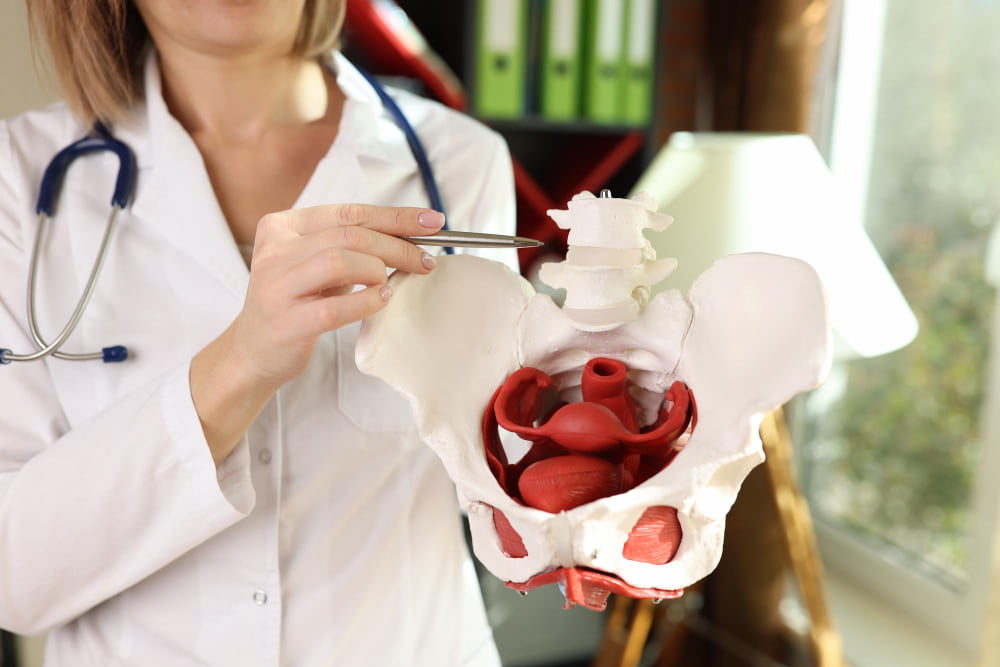


Pelvic floor dysfunction (PFD) is an umbrella term for a range of conditions that arise when the muscles, ligaments, and connective tissues of the pelvic floor fail to work as they should. The pelvic floor is a group of muscles and tissues stretching across the base of the pelvis, supporting the bladder, uterus, bowel, and rectum from below. When these structures become too weak, too tight, or poorly coordinated, they can no longer keep pelvic organs in their correct positions or regulate bladder and bowel function effectively.
PFD affects both women and men, though it is significantly more prevalent in women — particularly those who have given birth, gone through menopause, or undergone pelvic surgery. Many people live with symptoms for years before seeking help, often due to embarrassment or the mistaken belief that nothing can be done. In reality, pelvic floor dysfunction is highly treatable, and the earlier it is addressed, the wider the range of options available. In this guide, we will explore pelvic floor dysfunction (PFD), its underlying causes and types like pelvic organ prolapse (POP), and provide an overview of surgical and non-surgical treatment options.
What Causes Pelvic Floor Dysfunction?
The pelvic floor can be weakened by anything that overstretches, damages, or places repeated excessive pressure on its muscles and connective tissues. The most common causes and risk factors include:
- Vaginal childbirth — especially with multiple deliveries, large babies, prolonged pushing, or assisted delivery using forceps or vacuum
- Aging and menopause — declining estrogen causes connective tissues to gradually lose elasticity and strength
- Higher body weight and obesity — increases downward pressure on pelvic structures over time
- Chronic constipation, persistent coughing, or heavy lifting — all contribute to cumulative strain on the pelvic floor
- Connective tissue disorders — conditions such as Ehlers-Danlos syndrome or Marfan syndrome predispose individuals to pelvic floor weakness regardless of other factors
- Pelvic surgery — including hysterectomy, which can alter the structural support of the pelvic floor
Pelvic floor dysfunction is not exclusively a women's issue. Men can develop PFD following prostate surgery, due to chronic pelvic pain conditions, or as a result of long-term heavy lifting and high-impact physical activity. A targeted male pelvic floor workout program, developed with a specialist physiotherapist, can effectively address symptoms including urinary leakage, pelvic pressure, and post-surgical incontinence.

Symptoms of Pelvic Floor Dysfunction
PFD presents differently depending on whether the pelvic floor muscles are too weak or, in some cases, too tight. Symptoms can be easy to dismiss or confuse with other conditions, which is why many people go undiagnosed for years. The most commonly reported symptoms include:
- Urinary leakage when coughing, laughing, sneezing, or exercising (stress incontinence)
- A sudden, urgent need to urinate that is difficult to control
- Difficulty fully emptying the bladder or bowel
- Chronic pelvic pain or pressure
- Pain during intercourse
- A sensation of heaviness, bulging, or something "falling out" of the vagina
- Constipation or difficulty controlling bowel movements
Because these symptoms touch on intimate areas of the body, many people delay raising them with a healthcare provider. It is important to know that pelvic floor dysfunction is a recognized medical condition with established, effective treatments — and no one should feel obliged to simply manage or ignore these symptoms.
Pelvic Organ Prolapse (POP): A Key Manifestation of Pelvic Floor Dysfunction
Pelvic organ prolapse (POP) is one of the most significant and common manifestations of pelvic floor dysfunction. It occurs when the pelvic floor weakens to the point where one or more pelvic organs — the bladder, uterus, vagina, or rectum — descend from their normal positions and press into or through the vaginal wall. In mild cases the displacement is slight and may cause little more than a vague feeling of pressure. In severe cases an organ may bulge visibly outside the body.
Types of Pelvic Organ Prolapse
The type of prolapse is defined by which organ is affected:
- Anterior vaginal wall prolapse (cystocele / bladder prolapse) — the most common form, where the bladder presses into the front wall of the vagina
- Posterior vaginal wall prolapse (rectocele) — the rectum bulges into the back vaginal wall
- Uterine prolapse — the uterus descends into the vaginal canal
- Vaginal vault prolapse — the upper vagina sags inward, typically after a hysterectomy
- Enterocele — the small intestine pushes against the vaginal wall
- Urethrocele — the urethra drops, often alongside a bladder prolapse
Prolapse is formally staged on a scale of zero to four using the Pelvic Organ Prolapse Quantification (POP-Q) system. Stage one and two represent mild to moderate prolapse contained within the vagina. Stage three and four indicate severe prolapse that extends close to or beyond the vaginal opening. A person may have different stage ratings for different organs at the same time.
Non-Surgical Treatment for Pelvic Floor Dysfunction and Prolapse
For many people — particularly those with mild to moderate PFD or early-stage prolapse — nonsurgical treatment is both appropriate and highly effective. The goal is to strengthen or retrain the pelvic floor, manage symptoms, and improve quality of life without the risks associated with surgery.
Pelvic Floor Exercises and Physiotherapy
Kegel exercises for the pelvic floor are the cornerstone of conservative treatment. They involve repeatedly contracting and relaxing the muscles used to control urination, gradually building strength and endurance. When performed correctly and consistently, Kegel exercises can meaningfully reduce symptoms of prolapse, urinary leakage, and pelvic pressure.
The key word is "correctly." Many people inadvertently engage the wrong muscle groups, which is why working with a qualified pelvic floor physiotherapist is strongly recommended. A specialist can identify precisely which muscles are underperforming, design a targeted program, and monitor progress over time. Pelvic floor physiotherapy is effective for both women and men and is increasingly recognized as an essential first step in PFD management.
Vaginal Pessary
A vaginal pessary is a removable silicone device fitted by a healthcare provider that sits inside the vagina to physically support a descending organ. Pessaries come in a range of shapes and sizes and can be an excellent long-term option for those who prefer to avoid surgery or for whom surgery carries higher risk.
Rectal Prolapse Treatment Without Surgery
In the early stages of rectal prolapse, conservative measures including fiber-rich dietary adjustments, stool softeners, and biofeedback therapy can reduce symptoms and slow progression. More advanced rectal prolapse, however, typically requires surgical correction.
Surgical Treatment Options for Pelvic Organ Prolapse
When conservative treatment does not provide sufficient relief, or when prolapse reaches stage three or four, surgery is typically the most effective path forward. There are two broad categories of pelvic floor disorder surgery.
Obliterative Surgery
Obliterative procedures narrow or close the vaginal canal to prevent organs from prolapsing outward. The most common example is colpocleisis, which partially closes the vagina. It is a shorter, lower-risk procedure well suited to patients who are medically frail and no longer wish to have penetrative intercourse.
Reconstructive Prolapse Surgery
Reconstructive surgery aims to restore normal anatomy and is the more commonly performed approach. Key procedures include:
- Sacrocolpopexy — uses surgical mesh to suspend the vagina or vaginal vault from a ligament near the tailbone; typically performed laparoscopically with small abdominal incisions and a shorter recovery
- Sacrohysteropexy — follows a similar principle but preserves the uterus, making it suitable for patients who wish to maintain fertility
- Colporrhaphy — a vaginal procedure that reinforces the front or back walls of the vagina using dissolvable sutures; the standard approach for both bladder prolapse surgery and rectal prolapse surgery
- Uterosacral and sacrospinous ligament fixation — uses the body's own tissues rather than synthetic mesh to support the vaginal vault; performed vaginally and sometimes called native tissue repair
The right procedure depends on the location and stage of the prolapse, the patient's overall health, their wishes regarding future sexual activity and fertility, and available surgical expertise.
What to Expect After Prolapse Surgery
Recovery varies by procedure, but most patients are advised to follow these general guidelines:
- Avoid heavy lifting (anything over 5 kg) for six to twelve weeks
- Refrain from penetrative intercourse for six to eight weeks
- Avoid high-impact exercise for several weeks to months
- Maintain a high-fiber diet and stay well hydrated to prevent straining
- Attend regular check-ups and all follow-up appointments to monitor healing
Most people return to light daily activities within two to four weeks, with full recovery taking three to six months. It is also essential to monitor for signs of infection after prolapse surgery, which include fever above 38°C, unusual vaginal discharge, worsening pelvic pain, or burning when urinating. Prompt medical attention in these cases prevents complications from escalating.
The long-term outlook after prolapse surgery is very positive. The majority of patients experience significant, lasting relief from their symptoms. Continuing pelvic floor exercises and maintaining a healthy lifestyle after surgery are the most effective ways to protect against recurrence.
How to Prevent Pelvic Floor Dysfunction
Not every case of PFD can be prevented, but consistent healthy habits go a long way in reducing your risk:
- Practice daily pelvic floor (Kegel) exercises, ideally starting before and continuing after pregnancy
- Maintain a healthy body weight to reduce chronic downward pressure on the pelvic floor
- Eat a high-fiber diet and drink plenty of water to prevent constipation and straining
- Avoid smoking, which increases the risk of chronic coughing and abdominal pressure
- Use correct lifting technique — bend at the hips and knees, keep your back straight, and avoid twisting
- Engage with a pelvic floor physiotherapist after childbirth or pelvic surgery, even if symptoms are not yet apparent
Pelvic Floor Dysfunction and Prolapse Treatment in Turkey
Turkey has become one of the world's most sought-after medical tourism destinations, and complex gynecological and urological procedures are among the primary reasons patients travel there. With a healthcare infrastructure that has grown rapidly over the past two decades, Turkey now combines internationally trained surgical teams, state-of-the-art hospital facilities, and treatment costs that are typically 50 to 70 percent lower than equivalent procedures in Western Europe or North America — all without sacrificing clinical quality or patient safety. For international patients dealing with conditions that significantly affect their quality of life, such as pelvic floor dysfunction or pelvic organ prolapse, Turkey offers something particularly valuable: access to experienced specialist teams without the lengthy waiting times that are common in many public healthcare systems across Europe.
Medical Park is Turkey's largest private hospital group and one of the most trusted names in the country's healthcare sector. With multiple JCI-accredited hospitals across Turkey, Medical Park meets the same rigorous international standards for patient safety, clinical governance, and care quality as leading hospitals in the United States and Western Europe. JCI accreditation — the gold standard in global healthcare accreditation — means that every aspect of care, from surgical protocols and infection control to patient communication and follow-up, is independently verified against internationally recognized benchmarks.
Expert Gynecological and Urological Care at Medical Park
Medical Park's gynecology, urology, and physical theraphy departments bring together some of Turkey's most experienced urogynecologists, pelvic reconstructive surgeons, and pelvic floor physiotherapists. Many have trained at leading European and American institutions, and the breadth of complex cases they manage means that patients with advanced or recurring pelvic floor conditions are in highly capable hands. When it comes to pelvic floor dysfunction and pelvic organ prolapse specifically, Medical Park offers the full treatment spectrum in one place.
Non-surgical treatment pathways — including specialist-guided Kegel and pelvic floor exercise programs, pelvic floor physiotherapy, and vaginal pessary fitting — are available for patients with mild to moderate dysfunction. For those who require surgical intervention, the range of procedures being offered covers every form of prolapse surgery: from bladder prolapse surgery and vaginal prolapse repair to uterine prolapse correction, rectal prolapse surgery, and complex reconstructive procedures such as laparoscopic sacrocolpopexy.
For international patients, multilingual patient coordinators are on hand from the very first enquiry, helping with everything from appointment scheduling and pre-operative assessments to travel logistics and accommodation. Many patients are able to complete their initial consultation, surgery, and early post-operative care within a single trip, with remote follow-up available on return home. Whether you are in the early stages of pelvic floor dysfunction and weighing your options, or you have been managing significant prolapse for some time and are ready to take the next step, Medical Park's specialist teams are here to guide you at every stage of the process.




 Makaleye Dön
 E-Result
 WhatsApp