


 TR
 EN
 RU
 AR
 FR


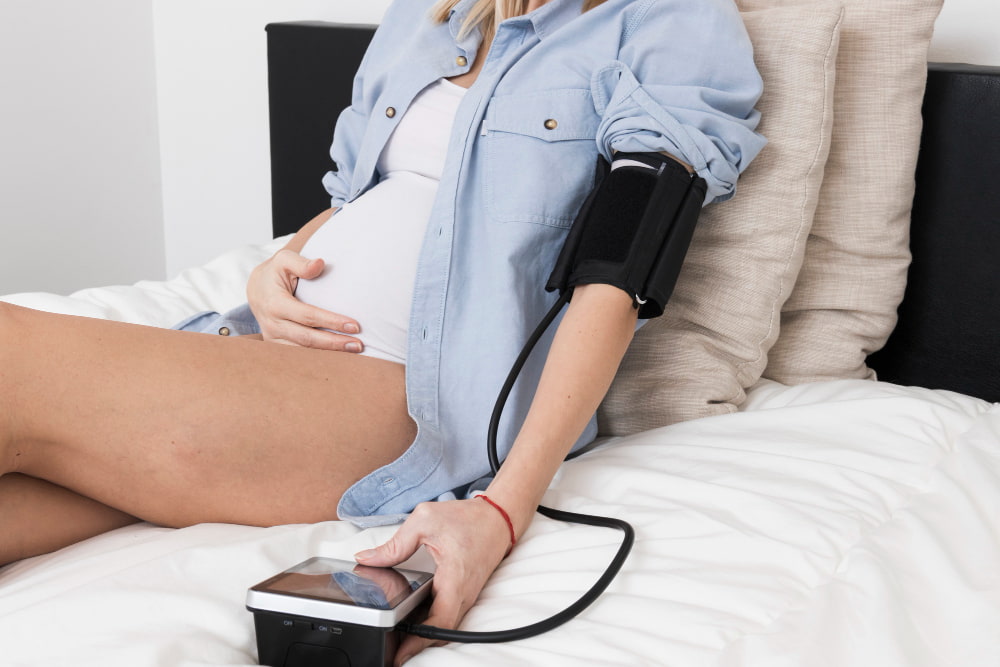

Preeclampsia is a pregnancy complication that can develop after 20 weeks and is characterized by high blood pressure and signs that the condition is affecting the body. It can develop gradually or become serious within a short period of time, and some women may have no clear symptoms at first. This is why regular prenatal care, including blood pressure checks and other routine assessments, is important for detecting preeclampsia early.
Although preeclampsia is usually diagnosed during pregnancy, it can also develop after delivery. When severe, it can affect organs such as the kidneys, liver, brain, and lungs and may also interfere with the baby's growth and well-being. Recognizing warning signs and receiving appropriate monitoring and treatment can help reduce these risks and guide decisions about the safest time for delivery.
This guide explores how preeclampsia develops, the signs to watch for, how it is diagnosed and monitored, and how treatment can help protect the mother and baby.
What Is Preeclampsia?
Preeclampsia is a type of high blood pressure disorder that develops during pregnancy, most often after 20 weeks. It is diagnosed when a pregnant woman develops new high blood pressure along with protein in the urine or other signs that an organ is being affected.
The presence of high blood pressure alone does not necessarily mean that someone has preeclampsia. Gestational hypertension means that high blood pressure develops after 20 weeks of pregnancy without the protein in the urine or organ problems seen in preeclampsia. Chronic hypertension refers to high blood pressure that was already present before pregnancy or developed early in pregnancy.
If a woman already has chronic hypertension and then develops preeclampsia, the condition is called superimposed preeclampsia. This requires particular attention because it can be difficult to distinguish new pregnancy-related changes from the woman's existing high blood pressure.
Preeclampsia can also vary considerably in severity. Some women have preeclampsia without severe features and can be monitored closely, while others develop preeclampsia with severe features that may require urgent treatment and delivery. HELLP syndrome and eclampsia are among the most serious complications associated with this condition.
Signs and Symptoms of Preeclampsia
Preeclampsia symptoms are not always obvious. Some women may have headaches, swelling, or vision changes, while others may feel completely well even when their blood pressure or laboratory results are concerning. This is why blood pressure checks and other routine pregnancy assessments are so important.
Common Symptoms
- High blood pressure found during a prenatal screening or home measurement
- Sudden or marked swelling, particularly of the face and hands
- A persistent or severe headache
- Blurred vision, flashing lights, spots, or other changes in vision
- Pain in the upper abdomen, especially beneath the ribs on the right side
- Nausea or vomiting that is unusual for the stage of pregnancy
- Shortness of breath
- Protein in the urine, which is usually found through testing rather than noticed by the patient
Swelling is common during pregnancy and does not automatically mean that preeclampsia is present. However, sudden or significant swelling, especially when accompanied by a headache, vision changes, or high blood pressure, should be assessed by a healthcare professional.
Likewise, proteinuria, the medical term for protein in the urine, is one possible sign of preeclampsia but is not interpreted on its own. Doctors consider urine results together with blood pressure, blood tests, symptoms, and the health of the baby.
Preeclampsia without symptoms is also possible. A woman may therefore have no headache, swelling, or visual changes and still need evaluation because of an abnormal blood pressure reading or laboratory result.
Preeclampsia With Severe Features
Preeclampsia with severe features means that preeclampsia is accompanied by findings that indicate a greater risk to the mother or baby. These findings can involve blood pressure, the kidneys, liver, blood cells, lungs, or nervous system.
A blood pressure reading of 160/110 mmHg or higher is considered severe hypertension during pregnancy and requires prompt medical assessment and treatment.
Other severe features may include:
- A severe or persistent headache that does not improve
- Significant vision changes or other neurological symptoms
- A low platelet count, meaning there are fewer blood cells available to help with clotting
- Abnormal liver tests, particularly when accompanied by persistent upper abdominal pain
- Reduced kidney function
- Pulmonary edema, meaning fluid has accumulated in the lungs and is making breathing difficult
- Other signs of significant organ dysfunction
A patient may have preeclampsia with severe features because of a very high blood pressure reading or abnormal blood tests even if she does not feel seriously ill.
When Symptoms Are an Emergency
If you are pregnant or have recently given birth, seek immediate medical attention if you develop a severe or persistent headache, blurred or abnormal vision, severe pain in the upper abdomen, significant difficulty breathing, or a seizure. A blood pressure reading of 160/110 mmHg or higher also requires urgent medical evaluation.
Do not wait for these symptoms to disappear or for your next routine appointment. Preeclampsia can worsen quickly, and serious complications can sometimes develop with little warning.
What Causes Preeclampsia?
The exact cause of preeclampsia is not completely understood, but the placenta plays an important role. The placenta is the organ that connects the mother and baby and provides the baby with oxygen and nutrients during pregnancy. In preeclampsia, changes in the way blood vessels develop and function around the placenta can affect blood flow and trigger changes throughout the mother's body.
These changes can cause blood pressure to rise and can affect organs such as the kidneys, liver, and brain. They can also cause fluid to move out of the blood vessels and into surrounding tissues, which contributes to swelling. This means that a woman can have significant swelling while the amount of fluid actually circulating inside her blood vessels is lower than expected.
Several factors can increase the risk of developing preeclampsia. Important preeclampsia risk factors include:
- A first pregnancy
- Previous preeclampsia
- Chronic hypertension
- Chronic kidney disease
- Diabetes (type 1 or type 2)
- Certain autoimmune diseases, including systemic lupus erythematosus or antiphospholipid syndrome
- A family history of preeclampsia
- A pregnancy with twins or other multiples
- Certain maternal age and weight-related factors, including obesity
The relationship between preeclampsia and the placenta is therefore important, but the condition does not have one single cause. Genetic, immune, vascular, and placental factors may all play a role.
Who Is at Risk for Preeclampsia?
Preeclampsia can develop in women who have no obvious risk factors, so being considered low risk does not completely rule it out. However, some women have a higher likelihood of developing the condition and may need closer monitoring during pregnancy.
A first pregnancy is one recognized risk factor, but preeclampsia can also occur during a second or later pregnancy. Having had a previous pregnancy without complications does not guarantee that preeclampsia will not develop in a future pregnancy.
There also appears to be a genetic component. A family history of preeclampsia may increase risk, although having a relative with the condition does not mean that a woman will necessarily develop it herself.
Superimposed Preeclampsia
Superimposed preeclampsia occurs when a woman who already has chronic hypertension develops preeclampsia during pregnancy. In other words, a new pregnancy-related condition develops on top of high blood pressure that was already present.
Doctors may suspect superimposed preeclampsia when a woman with chronic hypertension develops new proteinuria, a sudden worsening of blood pressure, abnormal blood tests, or other signs that an organ is being affected.
Because chronic hypertension and preeclampsia can overlap in their symptoms and test results, careful monitoring is important. Blood pressure, urine tests, blood tests, fetal growth, and other assessments may be used to determine whether new changes are developing.
How Is Preeclampsia Diagnosed and Monitored?
There is no single test that diagnoses every case of preeclampsia. Doctors look at the overall picture, including blood pressure measurements, urine and blood tests, symptoms, and the health and development of the baby.
New blood pressure of 140/90 mmHg or higher after 20 weeks of pregnancy raises concern for a hypertensive disorder. A reading of 160/110 mmHg or higher is considered severe hypertension and requires urgent assessment.
Urine testing may be used to look for proteinuria. Blood tests can help doctors see whether preeclampsia is affecting organs by checking things such as:
- Platelet count, which helps assess the blood's ability to clot
- Liver enzymes, which can indicate liver involvement
- Kidney function, which can show whether the kidneys are being affected
- Other blood measurements when needed to assess the mother's condition
Fetal monitoring is also an important part of preeclampsia care. An ultrasound may be used to monitor the baby's growth, amniotic fluid, and blood flow through the placenta and umbilical cord. Depending on the pregnancy and the mother's condition, fetal heart-rate monitoring may also be performed.
This is why a preeclampsia blood test or preeclampsia ultrasound should not be thought of as a single diagnostic test. Different assessments provide different pieces of information, allowing the medical team to monitor both mother and baby over time.
HELLP Syndrome
HELLP syndrome is a serious complication of preeclampsia. The name comes from three findings: hemolysis, meaning the breakdown of red blood cells; elevated liver enzymes, which can indicate liver injury; and low platelets, which can affect the blood's ability to clot.
HELLP syndrome can develop quickly and may sometimes occur without the typical signs of preeclampsia. Possible symptoms include:
- Pain in the upper abdomen or beneath the right ribs
- Severe headache
- Nausea or vomiting
- Feeling unusually weak or unwell
- Visual changes
- High blood pressure
Because HELLP syndrome can affect the liver, blood clotting, kidneys, and placenta, it requires urgent medical evaluation. HELLP syndrome treatment depends on the severity of the condition and how far the pregnancy has progressed, but stabilizing the mother and determining the safest time for delivery are central to management.
Eclampsia
Eclampsia is a seizure that occurs in association with preeclampsia. It is a medical emergency and can occur before delivery, during labor, or after the baby has been born.
Some women experience warning symptoms such as a severe headache, vision changes, or upper abdominal pain before a seizure, but these symptoms are not always present. This is one reason why even women who feel relatively well can still require close monitoring when they have preeclampsia.
Magnesium sulfate is commonly used to prevent or treat seizures associated with preeclampsia and eclampsia. It is a medication given under medical supervision. Severe high blood pressure is also treated, and the medical team assesses whether immediate delivery is necessary.
Eclampsia treatment focuses first on protecting the mother's breathing and circulation, stopping or preventing further seizures, controlling severe blood pressure, and then determining the safest plan for delivery.
How Preeclampsia Affects the Baby
Preeclampsia can affect the baby because changes in the placenta and the mother's blood vessels may reduce the amount of oxygen and nutrients reaching the fetus. The impact varies depending on when preeclampsia develops and how severe it becomes.
One concern is fetal growth restriction, meaning the baby is smaller than expected because growth has been affected. This is why doctors may use regular ultrasound examinations and other tests to monitor the baby's growth and well-being.
Preeclampsia can also increase the risk of:
- Restricted fetal growth
- Reduced blood flow through the placenta
- Premature birth
- Placental abruption, when the placenta separates from the wall of the uterus before the baby is born
- Stillbirth in severe or poorly controlled cases
- Admission to a NICU (neonatal intensive care unit) if the baby is born prematurely or needs specialized care
Premature birth is sometimes recommended because continuing the pregnancy may become more dangerous for the mother or baby than delivering the baby early. When this happens, the medical team considers the baby's gestational age, growth, test results, and overall well-being together with the mother's blood pressure, symptoms, and laboratory results.
Close monitoring is therefore not simply routine testing. It helps doctors identify changes early and decide whether the pregnancy can safely continue or whether delivery would be safer.
Preeclampsia Treatment
Preeclampsia treatment depends on how severe the condition is, how far the pregnancy has progressed, and how the mother and baby are doing. Delivery is the only definitive cure for preeclampsia, because the condition is closely linked to the pregnancy and placenta.
However, this does not mean that every woman with preeclampsia needs immediate delivery. If the condition is mild and both mother and baby are stable, doctors may recommend close monitoring and treatment to safely continue the pregnancy for as long as possible.
When severe features or serious complications develop, delivery may need to happen sooner.
Managing Preeclampsia Before Delivery
Before delivery, treatment and monitoring may include:
- Regular or frequent blood pressure checks
- Blood and urine tests to monitor the mother's health
- Ultrasound and other fetal assessments
- Medication to lower significantly elevated blood pressure
- Magnesium sulfate when seizure prevention or treatment is needed
- Corticosteroids, which are medications that may be given when early preterm delivery is expected to help support the baby's lung development
Blood pressure medication helps reduce the risk associated with severe hypertension, but it does not remove the underlying cause of preeclampsia. Similarly, magnesium sulfate helps prevent or treat seizures but does not cure preeclampsia.
In selected cases, doctors may recommend continued observation rather than immediate delivery, particularly when the pregnancy is still early and both mother and baby are stable. This approach requires close monitoring because the situation can change.
Delivery and Timing
The timing of delivery is one of the most important decisions in managing preeclampsia. Doctors balance the benefits of allowing the baby more time to develop with the risks of continuing a pregnancy that may be becoming unsafe.
Women with preeclampsia without severe features may sometimes continue their pregnancies under close supervision. Delivery is generally recommended when the risks of continuing the pregnancy become greater than the risks associated with birth at that stage.
Severe or worsening high blood pressure, serious changes in blood tests, severe neurological symptoms, breathing difficulties, placental complications, concerning fetal findings, or other signs of deterioration may mean that delivery is needed sooner.
The exact timing and method of delivery are individualized for each pregnancy.
Postpartum Preeclampsia
Preeclampsia can develop after the baby has been born. Postpartum preeclampsia usually occurs within the first several days after delivery but can develop during the weeks that follow, including up to six weeks postpartum.
Importantly, postpartum preeclampsia can occur even in women who had normal blood pressure throughout pregnancy. A new severe headache or other warning sign after delivery should therefore not automatically be attributed to lack of sleep, hormonal changes, or the normal challenges of caring for a newborn.
Postpartum preeclampsia symptoms can include:
- Severe or persistent headache
- Blurred vision, flashing lights, or other visual changes
- Severe pain beneath the ribs or in the upper abdomen
- Shortness of breath or difficulty breathing
- Sudden or significant swelling
- Nausea or vomiting
- Very high blood pressure
- Seizure
These symptoms require urgent medical assessment. Postpartum eclampsia can also occur, so a seizure after delivery is a medical emergency.
Women who have had preeclampsia or high blood pressure during pregnancy may need their blood pressure checked closely after delivery. Treatment may include blood pressure medication and, when appropriate, magnesium sulfate to reduce the risk of seizures.
Can Preeclampsia Be Prevented?
There is no guaranteed way to prevent preeclampsia because its causes are complex. However, identifying risk factors early and receiving regular prenatal care can help reduce risk and detect the condition before it becomes more serious.
For women at increased risk, doctors may recommend low-dose aspirin for preeclampsia prevention. Aspirin is not appropriate for every pregnant woman, and it should only be started when recommended by the healthcare professional managing the pregnancy.
Regular prenatal care is also important. Blood pressure measurements, urine tests, blood tests, and fetal assessments can identify changes that may not yet be causing symptoms.
Women with chronic hypertension, kidney disease, diabetes, autoimmune disease, a previous history of preeclampsia, or other significant risk factors may need a more individualized monitoring plan. Prevention should therefore be understood as reducing risk and detecting problems early rather than guaranteeing that preeclampsia will not occur.
Why Choose Medical Park for Preeclampsia Care?
Preeclampsia requires careful monitoring because the condition can change over time and can affect both the mother and baby. At Medical Park Hospitals in Turkey, the Perinatology and Gynecology and Obstetrics departments provide care during pregnancy, including the assessment and management of high-risk pregnancies requiring specialized monitoring because of conditions such as preeclampsia and other maternal or fetal concerns.
Depending on the patient's needs, evaluation may include blood pressure monitoring, urine and blood tests, ultrasound examinations, fetal monitoring, and assessment of the baby's growth and well-being. The care plan is based on the severity of the condition, the stage of pregnancy, and the health of both mother and baby.
For international patients seeking preeclampsia care in Turkey, Medical Park's International Patient Center can help coordinate appointments and hospital arrangements and provide support throughout the healthcare process. This can be particularly helpful when specialized pregnancy care requires several assessments or ongoing follow-up.
If you are pregnant or have recently given birth and develop a severe headache, vision changes, severe upper abdominal pain, difficulty breathing, a seizure, or very high blood pressure, seek urgent medical care rather than waiting for a routine appointment.
For more information about pregnancy, delivery, and maternity services for international patients, explore our guide on Maternal Care and Childbirth in Turkey.


 Makaleye Dön
 E-Result
 WhatsApp