


 TR
 EN
 RU
 AR
 FR


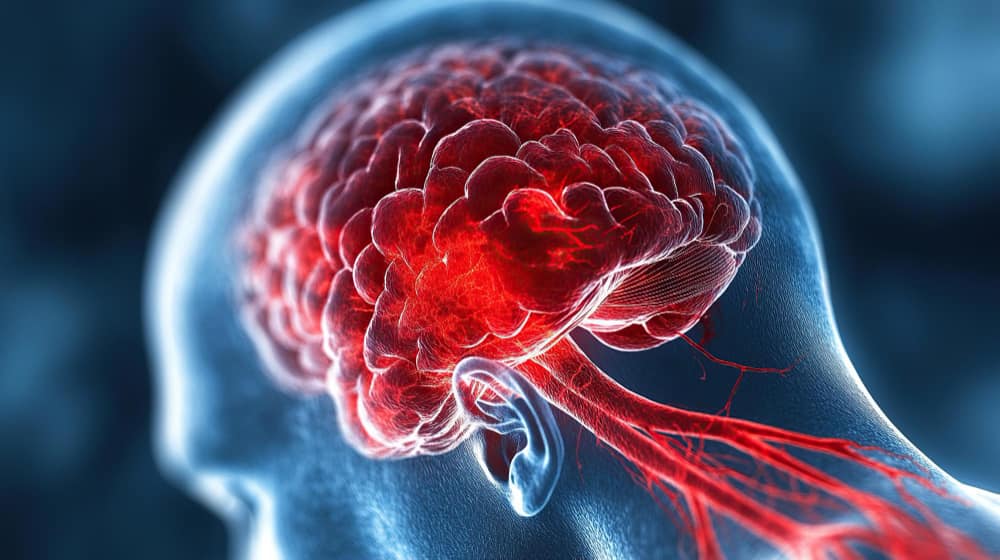


A brain aneurysm is a bulge or ballooning in a weakened blood vessel in the brain. While many brain aneurysysms remain small and cause no symptoms, a ruptured brain aneurysm can lead to sudden, life-threatening bleeding and requires immediate emergency treatment.
Understanding the symptoms of a brain aneurysm, the possible cause of brain aneurysm, and available brain aneurysm treatment options is essential for early diagnosis and timely care. In this Health Guide, we explain what a cerebral aneurysm is, why it develops, how it is diagnosed, and which treatment approaches may be recommended.
What is a Brain Aneurysm?
A brain aneurysm, also known as a cerebral aneurysm or intracranial aneurysm, is a localized bulge that develops in a weakened section of an artery in or around the brain.
Over time, the constant pressure of circulating blood pushes against the fragile area of the artery wall. This pressure causes the vessel to stretch outward, forming a blister-like swelling. As blood continues to flow into this bulge, the aneurysm wall may become thinner and more vulnerable to leaking or rupture.
Brain aneurysms most commonly form in the major arteries located at the base of the skull. Approximately 10% to 30% of individuals with a brain aneurysm have multiple aneurysms.
Most brain aneurysms:
Are small
Do not rupture
Do not cause noticeable symptoms
Are discovered incidentally during MRI or CT imaging performed for another medical reason
However, if an aneurysm enlarges, leaks, or ruptures, it becomes a medical emergency that requires urgent evaluation and treatment.
What Happens When a Brain Aneurysm Ruptures?
A brain aneurysm rupture occurs when the weakened blood vessel bursts, causing bleeding in or around the brain.
In most cases, rupture leads to subarachnoid hemorrhage, which is bleeding into the space between the brain and the thin protective tissues covering it. In fact, about 90% of subarachnoid hemorrhage cases are caused by ruptured brain aneurysms.
When rupture occurs:
Blood leaks into surrounding brain tissue
Pressure inside the skull increases
Brain swelling may develop
Oxygen delivery to brain tissue may decrease
A ruptured brain aneurysm can lead to serious complications, including:
Subarachnoid hemorrhage
Hemorrhagic stroke
Vasospasm (narrowing of brain blood vessels)
Hydrocephalus (fluid buildup around the brain)
Seizures
Coma
Permanent neurological damage
Death
Roughly 50% of ruptured brain aneurysms are fatal. The risk of death or long-term disability increases the longer treatment is delayed.
Types of Brain Aneurysms
Brain aneurysms are classified based on their shape and size.
Saccular (Berry) Aneurysm
This is the most common type. It appears as a small, round sac attached to an artery by a narrow neck. Most ruptured brain aneurysms are saccular.
Fusiform Aneurysm
In this type, the artery bulges outward on all sides. Instead of forming a small sac, the entire vessel segment expands.
Dissecting Aneurysm
This type occurs when a tear develops in the inner layer of the artery wall, allowing blood to enter and separate the layers of the vessel.
Classification by Size
Aneurysm size plays an important role in rupture risk:
Small: Less than 5 mm
Medium: 5–15 mm
Large: 15–25 mm
Giant: Larger than 25 mm
Larger and irregularly shaped aneurysms generally carry a higher risk of rupture.
Brain Aneurysm Symptoms
The symptoms of a brain aneurysm vary depending on whether the aneurysm is unruptured, leaking, or fully ruptured.
Symptoms of a Ruptured Brain Aneurysm
A ruptured aneurysm is a medical emergency. The most common symptom is a sudden, severe headache. This is known as a thunderclap headache because it reaches peak intensity within seconds.
Other symptoms may include:
Nausea and vomiting
Stiff neck
Blurred or double vision
Sensitivity to light (photophobia)
Seizures
Drooping eyelid
Dilated pupil
Pain above or behind the eye
Confusion
Weakness or numbness
Loss of consciousness
If these symptoms occur, emergency services should be contacted immediately.
Sentinel (Warning) Headache
In some cases, a small leak called a sentinel bleed may occur days or weeks before a major rupture. This can cause a sudden but less severe warning headache.
Symptoms of an Unruptured Brain Aneurysm
Most unruptured brain aneurysms do not cause symptoms. However, larger aneurysms may press on nearby nerves or brain tissue and lead to:
Persistent headaches
Vision changes
Enlarged pupil
Facial numbness or tingling
Pain behind the eye
Seizures
If you experience these symptoms, you should consult a healthcare provider promptly.

Causes and Risk Factors for Brain Aneurysms
The main cause of brain aneurysm formation is weakness in the artery wall. Aneurysms commonly develop at branching points of arteries where blood flow pressure is strongest.
Genetic and Inherited Conditions
Certain inherited disorders increase the risk of developing brain aneurysysms, including:
Vascular Ehlers-Danlos syndrome
Autosomal dominant polycystic kidney disease
Marfan syndrome
Fibromuscular dysplasia
Arteriovenous malformations
Having a first-degree relative (parent or sibling) with brain aneurysms also increases risk.
Lifestyle and Medical Risk Factors
Several acquired conditions can weaken artery walls over time:
Smoking
High blood pressure
Substance abuse
Excessive alcohol consumption
Chronic uncontrolled stress
What Causes a Brain Aneurysm to Rupture?
The same factors that contribute to aneurysm formation can also increase rupture risk.
High blood pressure is considered one of the most significant triggers of rupture. Situations that suddenly raise blood pressure may increase the risk, such as:
Heavy lifting or straining
Intense emotional stress
Untreated hypertension
Other factors influencing rupture risk include:
Larger size
Irregular shape
Documented growth
Location in certain arteries
Age over 70
Multiple aneurysms
Previous aneurysm bleed
Diagnosis of Brain Aneurysms
Many unruptured brain aneurysms are discovered incidentally during imaging tests performed for unrelated reasons.
If a ruptured aneurysm is suspected, emergency imaging is required.
CT Scan
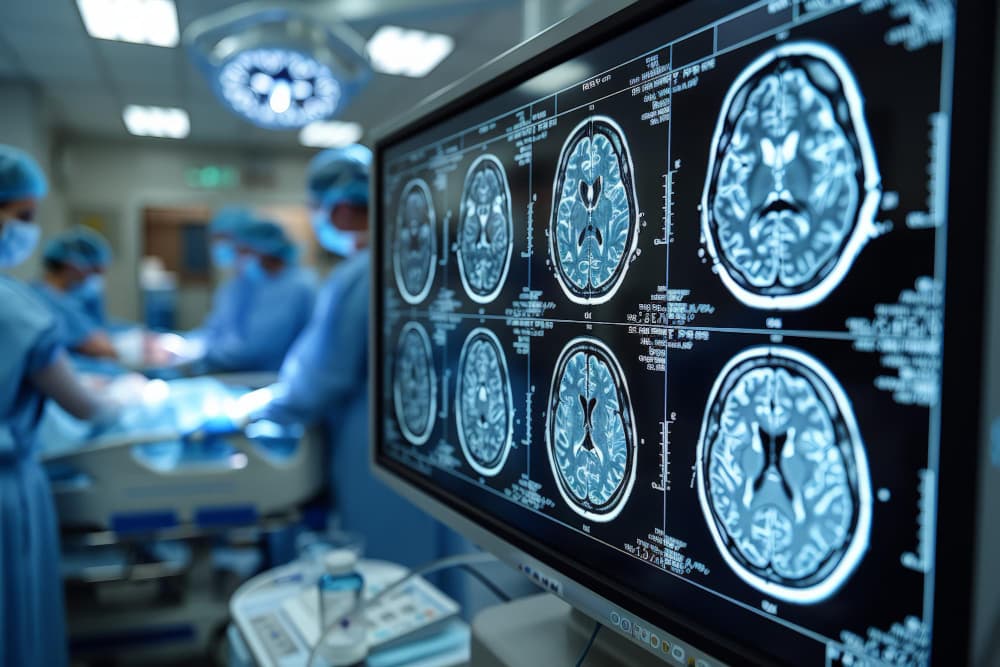
A CT scan is usually the first imaging test performed in emergency settings. It can quickly detect bleeding in the brain.
A CT angiogram (CTA) provides more detailed images of blood vessels and helps determine the size and location of an aneurysm.
MRI and MRA
MRI produces detailed images of brain tissue.
Magnetic resonance angiography (MRA) focuses specifically on blood vessels and can help evaluate aneurysm size and shape.
Cerebral Angiography
Cerebral angiography is considered the gold standard for diagnosing brain aneurysms. During this procedure:
A catheter is inserted through the groin or wrist
It is guided to the brain arteries
Contrast dye is injected
Detailed vessel images are obtained
This test provides precise information to guide treatment planning.
Lumbar Puncture
If imaging does not clearly show bleeding but suspicion remains high, a lumbar puncture may be performed to detect blood in the cerebrospinal fluid.
Treatment Options for Brain Aneurysms
The primary goal of treatment brain aneurysm strategies is to stop blood flow into the aneurysm and prevent rupture or re-rupture.
Treatment decisions depend on:
Aneurysm size and location
Ruptured or unruptured status
Patient age and general health
Overall rupture risk
Surgical Clipping
Surgical clipping is a traditional open surgical method.
During this procedure:
A small opening is made in the skull
A metal clip is placed at the base of the aneurysm
Blood flow into the aneurysm is blocked
Clipped aneurysms rarely recur.
Recovery time:
2–4 weeks for unruptured aneurysms
Several weeks to months for ruptured aneurysms
Aneurysm Coiling
Aneurysm coiling is a minimally invasive endovascular procedure.
A catheter is inserted through the groin or wrist and guided to the aneurysm. Tiny platinum coils are placed inside the aneurysm, promoting clot formation and preventing blood from entering.
This method avoids open brain surgery and typically involves a shorter hospital stay.
Flow Diversion Stents
A mesh-like stent is placed inside the affected artery to redirect blood flow away from the aneurysm, allowing the vessel wall to heal over time.
WEB Device
A specialized mesh device is placed inside the aneurysm to block blood entry and reduce rupture risk.
Additional Care for Ruptured Brain Aneurysm
In cases of rupture, intensive care management may include:
Antiseizure medications
Calcium channel blockers to reduce vasospasm
Shunt placement for hydrocephalus
Close neurological monitoring
Rehabilitation may involve physical therapy, speech therapy, and occupational therapy.
Preventing Brain Aneurysms and Reducing Risk
Although not all aneurysms can be prevented, lifestyle changes can significantly reduce risk.
Control Blood Pressure
Maintaining healthy blood pressure through medication and lifestyle changes is essential.
Stop Smoking
Smoking significantly increases both aneurysm formation and rupture risk.
Avoid Substance Abuse
Avoid drugs and limit alcohol consumption.
Regular Monitoring
If you have a family history of brain aneurysms, screening may be recommended.
Life After Brain Aneurysm Treatment
Recovery and long-term outlook depend on whether the aneurysm ruptured and how quickly treatment was received.
Prognosis After Rupture
About 25% of patients die within 24 hours
Around 50% die within three months
Approximately two-thirds of survivors experience some permanent neurological effects
However, some patients recover with little or no long-term disability.
Living with an Unruptured Brain Aneurysm
Many people live long, healthy lives with small unruptured aneurysms that never cause complications. Regular follow-up imaging and careful blood pressure management are important.
Ongoing Follow-Up
Patients who have had a ruptured aneurysm or multiple aneurysms require long-term monitoring to reduce recurrence risk.
When Should You Seek Medical Care?
Call emergency services immediately if you experience:
Sudden severe headache
Vision problems
Seizures
Confusion
Loss of consciousness
Early diagnosis and rapid treatment significantly improve survival rates.
Brain Aneurysm Care in Turkey at Medical Park
Brain aneurysms require precise diagnosis, advanced imaging technologies, and the expertise of experienced neurosurgical and interventional teams. At Medical Park Hospitals in Turkey, patients benefit from a comprehensive, multidisciplinary approach that brings together expert neurology, neurosurgery, and interventional radiology specialists to ensure accurate evaluation and timely treatment.
Depending on the patient’s condition, treatment options may include surgical clipping, aneurysm coiling, and advanced endovascular techniques tailored to the aneurysm’s size, shape, and location.
Early detection, individualized treatment planning, and structured long-term follow-up play a crucial role in reducing complications and improving outcomes for patients diagnosed with brain aneurysms.





 Makaleye Dön
 E-Result
 WhatsApp