


 TR
 EN
 RU
 AR
 FR


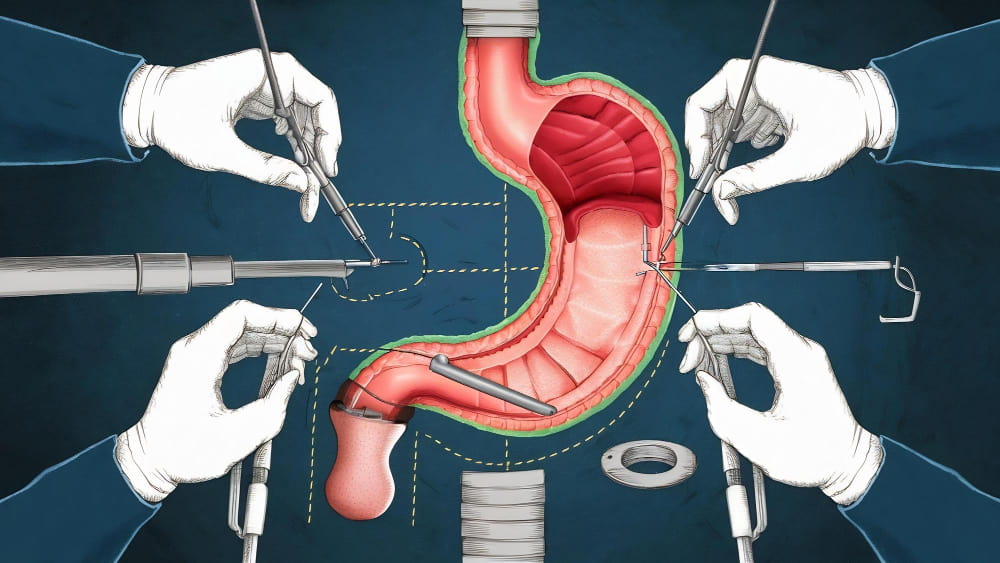

Obesity is a complex disease closely linked to serious conditions including type 2 diabetes, heart disease, sleep apnea, and joint problems. Bariatric surgery including sleeve gastrectomy and gastric bypass is one of the most effective tools for sustained weight loss. But post-op bariatric surgery care requires far more than the procedure itself.
Patients should expect a new lifestyle that combines healthy eating, regular exercise, vitamin supplementation, and ongoing medical follow-up. This guide covers everything you need to know about life after bariatric surgery — from your post bariatric surgery diet and meal plan, to vitamins, body contouring, and long-term health management.
Post-Op Bariatric Diet: What to Eat and When
Your post bariatric surgery diet is one of the most important factors in your recovery and long-term success. Your surgeon and dietitian will work with you to outline the diet you'll need to follow after surgery, including what types of food you can eat and how much you can consume at each meal.
The diet follows a staged approach, allowing your stomach to heal and your body to adjust to new eating patterns. Most patients can return to eating regular solid foods approximately 6 to 8 weeks after surgery.
Stage 1 — Clear Liquids (Days 1–2 Post-Op)
Immediately after surgery, you will begin with clear liquids only. Approved options include broth, unsweetened fruit juices, decaffeinated tea or coffee, skim or 1% milk, and sugar-free gelatin or popsicles.
Stage 2 — Blended and Pureed Foods (Weeks 1–3)
After tolerating liquids, you will transition to smooth pureed foods with no solid chunks. Each meal should be 4 to 6 tablespoons, eaten slowly over about 30 minutes. Good options include lean ground meat or fish blended smooth, cottage cheese, soft scrambled eggs, cooked cereals, soft fruits, cooked vegetables, and strained cream soups.
Stage 3 — Soft Foods (Weeks 3–6)
With your doctor's approval, small, tender, easily chewed foods are introduced. Each meal should be one-third to one-half cup. Options include ground lean meat or poultry, flaked fish, eggs, rice, canned or soft fresh fruit without skin or seeds, and cooked vegetables without skin.
Stage 4 — Solid Foods (Week 6 Onward)
Around eight weeks post-op, you can gradually reintroduce firmer foods, starting with three meals per day of 1 to 1.5 cups each. Introduce new foods one at a time. Foods that commonly cause problems at this stage include bread, carbonated drinks, raw or fibrous vegetables, tough meats, fried foods, highly seasoned or spicy foods, and nuts or seeds.
- Key hydration rule: Drink 64 ounces of fluids daily, but never during meals or within 30 minutes before or after eating. Sipping throughout the day prevents dehydration, constipation, kidney problems, nausea, and fatigue.

Post Bariatric Surgery Meal Plan
A successful post bariatric surgery meal plan is built on consistent daily habits that protect your health and support continued weight loss.
- Eat slowly and keep meals small: Take at least 30 minutes per meal. Start with six small meals per day, gradually reducing to three. The new opening from your stomach to your small intestine is narrow — eating too quickly or too much can cause blockages, nausea, vomiting, and abdominal pain.
- Prioritize protein: Aim for 60 to 100 grams of protein per day. Always eat protein-rich foods first at each meal before vegetables or starches. Adequate protein prevents muscle loss and weakness, two of the most serious nutrition-related complications after bariatric surgery.
- Avoid high-sugar and high-fat foods: These foods travel quickly through the digestive system and can trigger dumping syndrome — a condition where food passes too rapidly into the small intestine, causing nausea, vomiting, dizziness, sweating, and diarrhea.
Understanding Post-Bariatric Hypoglycaemia (PBH)
Post-bariatric hypoglycaemia (PBH) is a condition that can develop months or even years after surgery, particularly following gastric bypass. It involves episodes of abnormally low blood sugar after meals, caused by an exaggerated insulin response. Symptoms include sweating, shakiness, confusion, and a rapid heartbeat. If you experience these symptoms, speak with your surgical team promptly. Dietary adjustments and close monitoring are the primary management strategies.
Post Bariatric Surgery Vitamins and Minerals
After weight loss surgery, your body's ability to absorb nutrients is significantly reduced. Post bariatric surgery vitamins are not optional — they are a lifelong requirement. Patients who skip daily supplementation risk severe and potentially life-threatening deficiencies. Standard supplementation typically includes:
- Multivitamin — taken daily for life. Some patients require chewable forms, particularly in the early post-op period.
- Vitamin B12 — critical for nerve function and red blood cell production. Deficiency is especially common after gastric bypass.
- Calcium — take in divided doses of 500mg or less for optimal absorption. Calcium citrate is the preferred form after bariatric surgery.
- Vitamin D — works alongside calcium to maintain bone density and support immune function.
- Iron — particularly important for menstruating women and anyone at risk of anemia.
Have your vitamin and mineral levels tested at every follow-up appointment. Low levels can cause bone disease, anemia, nerve damage, and other serious medical complications.
Bariatric Surgery Recovery: Exercise and Physical Activity
Bariatric surgery recovery is significantly accelerated by movement. Many patients experience noticeably increased energy in the weeks following surgery — and this is the time to build habits that last. Walking can begin within just a few hours after surgery and helps patients recover faster. Once cleared by your surgeon, the goal is an average of 30 minutes of moderate exercise per day.
Regular physical activity is one of the strongest predictors of sustained long-term weight loss after bariatric surgery. Always check with your surgeon before starting any intense exercise program, as each patient's recovery timeline is different.
Medications After Bariatric Surgery
Many bariatric patients are already taking multiple medications for related conditions such as diabetes, hypertension, or high cholesterol. After surgery, medication regimens frequently change — often significantly for the better. Many patients are able to reduce or stop certain medications as weight loss improves underlying conditions.
Some medications must be temporarily converted to liquid or chewable forms to ensure proper absorption. Extended-release formulations may need to be changed, as the altered digestive tract affects how they are processed. Most patients will also be prescribed an antacid for a period following surgery. All medication changes should be made under the direction of your primary care doctor, surgeon, and pharmacist. Never stop or adjust medications without medical guidance.
Smoking and Alcohol After Bariatric Surgery
- Smoking: Patients who undergo weight loss surgery must commit to quitting all nicotine products permanently. Most bariatric programs require patients to stop all nicotine use before surgery is approved. Tobacco use impairs the body's ability to heal and significantly raises the risk of heart attack, pneumonia, and blood clots after surgery. Your care team can connect you with resources to help you quit for good.
- Alcohol: Alcohol use after bariatric surgery carries serious risks. Because of changes to the digestive system, alcohol is absorbed much more rapidly into the bloodstream, reaches higher peak levels, and remains elevated longer than it did before surgery. These changes, combined with the psychological dimensions of major life transformation, significantly increase the risk of developing alcohol use disorder. Bariatric surgery patients are strongly advised to avoid alcohol.
Pregnancy After Bariatric Surgery
Female patients should avoid pregnancy for 12 to 18 months following bariatric surgery. This window allows the body to reach its lowest stable weight and ensures adequate nutritional reserves before supporting a pregnancy. A clear birth control plan should be in place before surgery and maintained throughout this period.
Importantly, bariatric surgery often dramatically improves fertility. Women who struggled to conceive before surgery — including those with irregular or absent menstrual cycles — frequently find that conception becomes significantly easier following major weight loss.
Post-Bariatric Body Contouring: Plastic Surgery After Major Weight Loss
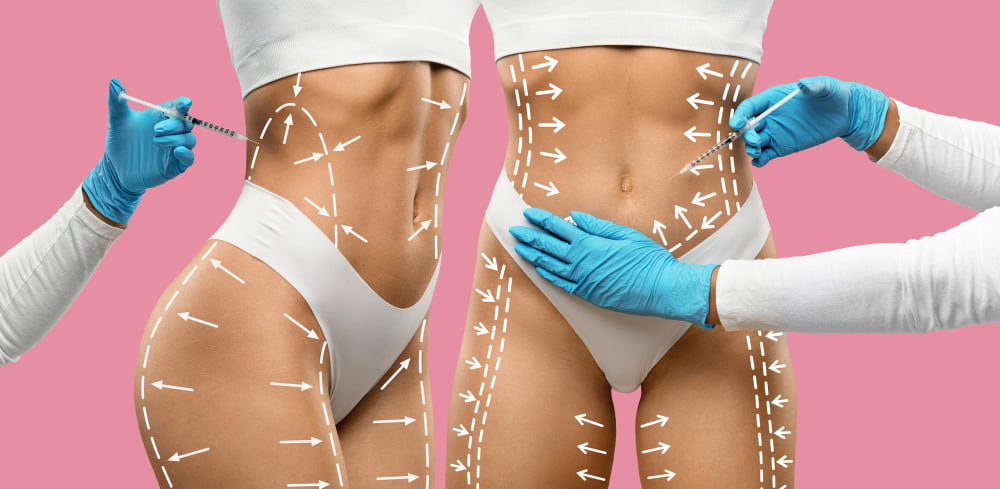
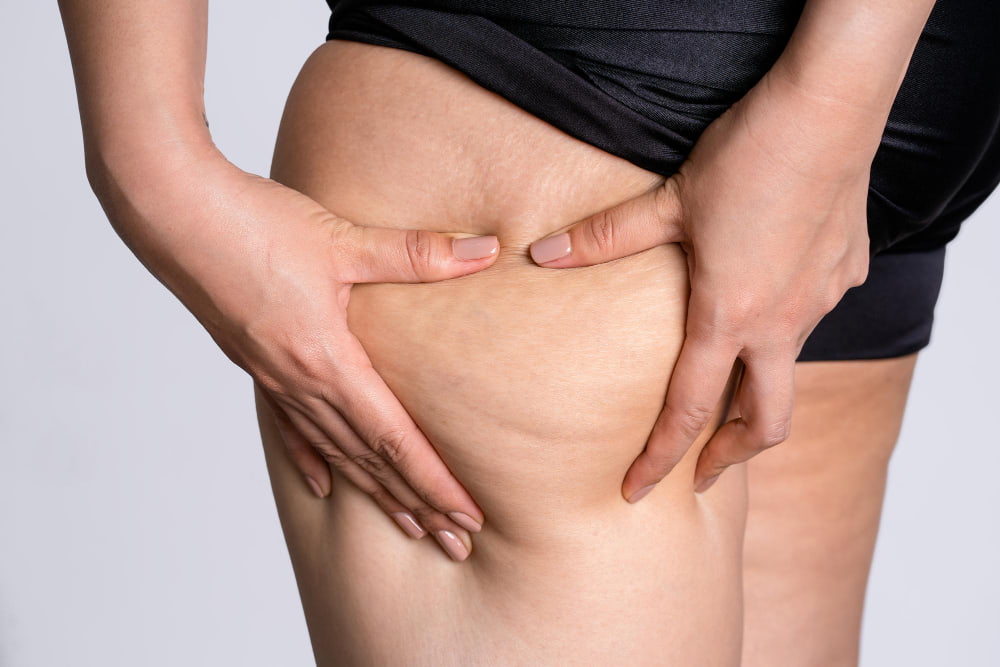
Patients who lose significant amounts of weight — particularly those who lose more than 100 lbs — often experience loose, hanging skin on the arms, breasts, abdomen, thighs, and buttocks. This is a natural result of skin losing its elasticity after years of being stretched. Post-bariatric body contouring procedures, performed by plastic surgeons, remove excess skin and tissue to restore a more natural, confident appearance.
Body contouring is typically performed in stages under general anesthesia. Your plastic surgeon will evaluate your BMI, medical history, and goals to develop a personalized plan.
Arms Lift (Brachioplasty)
Excess skin on the underside of the upper arms — often called "bat wings" — is one of the most common concerns for post-bariatric patients. In a brachioplasty, the surgeon makes an incision from the armpit to the elbow, removes excess skin (sometimes a pound or more per arm), and may use liposuction to refine the contour. The scar is positioned on the inner underside of the arm where it remains largely hidden.
Chest Enhancement (Mastopexy)
Significant weight loss causes breast tissue to deflate and sag, often drooping toward the navel. A mastopexy removes excess skin from the upper breast and repositions the breast to a fuller, more upright position. The procedure frequently includes an implant to restore lost volume. Scars are typically hidden within the area covered by a bra.
Abdominoplasty (Tummy Tuck) and Belt Lipectomy
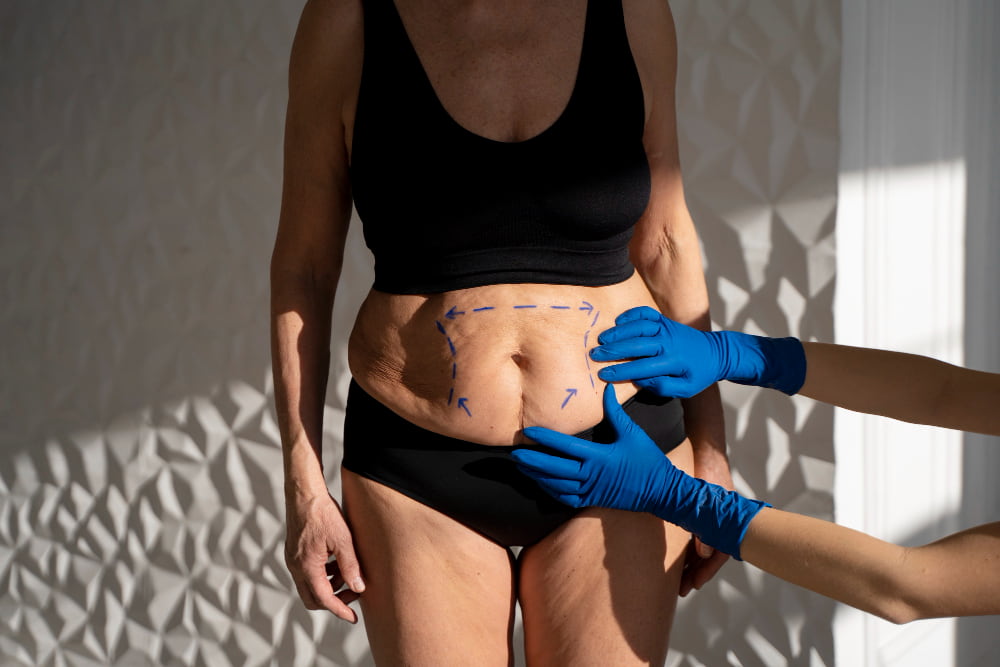
The abdominal pannus — a large apron of skin hanging from the stomach over the pubic region — retains moisture, causes persistent skin rashes, and makes hygiene and exercise difficult. A panniculectomy removes this excess skin, but many post-bariatric patients require more extensive intervention. An abdominoplasty (commonly known as a tummy tuck) addresses not only the excess skin but also restores weakened abdominal muscles and reshapes the entire midsection for a smoother, firmer result.
For more comprehensive reshaping of the waist, back, and flanks, a belt lipectomy (also called a torsoplasty or circumferential lipectomy) extends the incision all the way around the midsection. Incisions for both the abdominoplasty and belt lipectomy are positioned so that scars fall within the lines of standard underwear and swimwear.
Lower Body Lift (Thighs and Buttocks)
A lower body lift addresses excess skin on the inner thighs and buttocks. For inner thigh contouring, an incision runs from the groin toward the knee; the surgeon removes excess skin and redrapes the remaining tissue for a smoother, tighter result. The outer thighs and buttocks can be lifted through a hip-to-hip incision across the lower back.
Long-Term Follow-Up and Life After Bariatric Surgery
Obesity is a chronic, lifelong disease. Even after successful surgery and significant weight loss, ongoing medical oversight is essential. Without proper support, weight can plateau or gradually return. In the first year after surgery, expect follow-up appointments every few months. After that, yearly visits with a bariatric specialist are recommended for life. These appointments allow your care team to monitor nutrition levels, weight trajectory, and overall health — and to intervene early with medication, dietary counseling, or additional treatment if needed.
Long-term follow-up may include regular lab work to monitor vitamin and mineral levels, blood sugar, and cholesterol; ongoing dietary and behavioral support; and weight loss medications or revision surgery if significant regain occurs. Life after bariatric surgery is, for most patients, profoundly transformative. With the right support system, commitment to healthy habits, and consistent medical care, long-term success is absolutely achievable. Bariatric surgery is not a one-time fix — it is the beginning of a healthier, longer, and more fulfilling life.
Post Bariatric Plastic Surgery in Turkey at Medical Park
The journey toward a healthier life does not end when you leave the operating room; for many, the final stage of transformation happens through dedicated follow-up care and restorative plastic surgery. At Medical Park, we treat bariatric surgery as a lifelong partnership. Our follow-up protocols are designed to monitor your metabolic health and nutritional markers rigorously, ensuring that your weight loss remains steady and safe. Patients have access to a multidisciplinary team of general surgeons specializing in bariatric surgery, gastroenterologists, dietitians, and psychologists who provide the behavioral tools necessary to turn a surgical procedure into a permanent lifestyle.
For many patients, the ultimate reward for their hard work is addressing the physical reminders of their previous weight. Turkey has become a global center for post-bariatric plastic surgery, and Medical Park sits at the forefront of this field. Once a patient’s weight has stabilized—typically 12 to 18 months post-op—our board-certified plastic surgeons specialize in body contouring procedures like 360-degree belt lipectomies, brachioplasty, and mastopexy. These procedures are not merely aesthetic; they are reconstructive steps that eliminate the skin-fold complications and mobility issues associated with excess tissue. By integrating world-class bariatric care with high-end reconstructive surgery, we ensure that your physical appearance finally reflects the internal health and vitality you have worked so hard to achieve.




 Makaleye Dön
 E-Result
 WhatsApp