


 TR
 EN
 RU
 AR
 FR


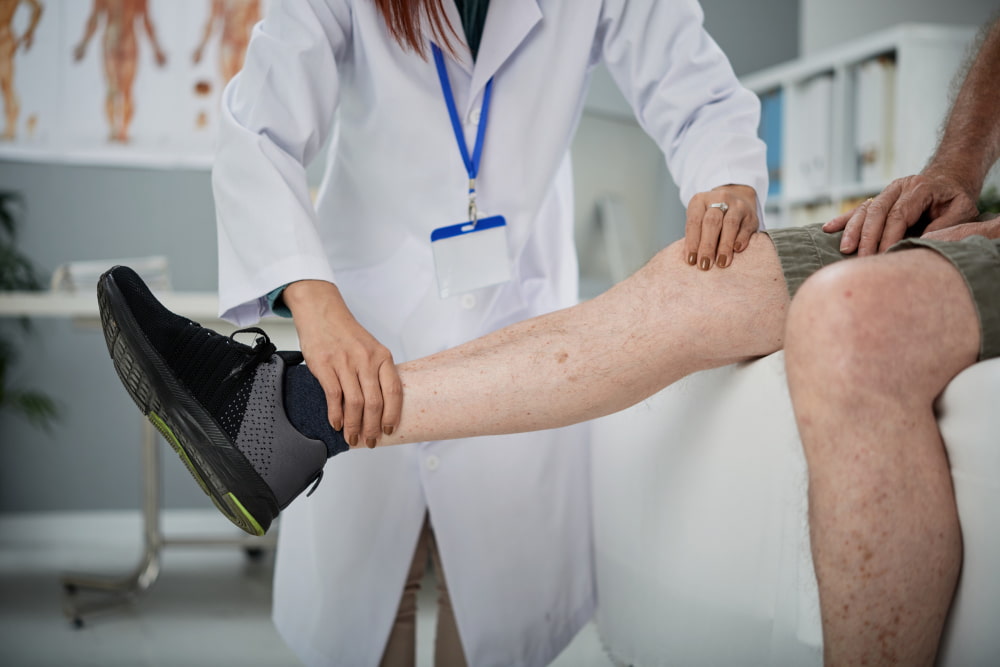

Peripheral arterial disease (PAD) is a common circulatory condition in which the arteries that carry blood to the limbs become narrowed or blocked, restricting the flow of oxygen-rich blood to the muscles and tissues. While PAD can affect the arms, it overwhelmingly affects the legs, making it one of the most significant causes of leg pain, reduced mobility, and limb-threatening complications in adults worldwide.
PAD shares its underlying cause with coronary artery disease (CAD) and cerebrovascular disease — atherosclerosis, the progressive buildup of fatty plaques inside artery walls. This means that a diagnosis of peripheral arterial disease is never just about the legs; it is a systemic marker of cardiovascular disease that requires comprehensive assessment and management.
What is Peripheral Arterial Disease (PAD)?
Peripheral arterial disease is defined by the narrowing or occlusion of the peripheral arteries — those supplying blood to the legs, feet, arms, and other areas outside the heart and brain. As atherosclerotic plaques accumulate within artery walls, the internal diameter of the vessel progressively narrows, reducing blood flow. During physical activity, when muscles require significantly more oxygen than at rest, this restricted supply becomes insufficient — producing the characteristic symptoms of PAD.
In more advanced cases, blood flow may be so severely compromised that symptoms occur even at rest, signalling a critical reduction in tissue perfusion that places the limb at serious risk.
How Common is PAD?
Peripheral artery disease affects an estimated 200 million people globally, making it one of the most prevalent cardiovascular conditions in the world. Prevalence rises sharply with age — affecting roughly 1 in 5 people over the age of 60 — but PAD is also increasingly diagnosed in younger adults with metabolic risk factors such as diabetes and smoking. Despite its prevalence, PAD remains significantly underdiagnosed, as many patients attribute their symptoms to aging or musculoskeletal problems rather than vascular disease. This diagnostic gap has real consequences: untreated PAD carries a substantially elevated risk of heart attack, stroke, and limb loss.

Recognizing the Symptoms of PAD
The symptoms of peripheral arterial disease vary considerably depending on the severity of arterial narrowing and the arteries involved. In the early stages, many patients have no symptoms at all — PAD progresses silently until the degree of arterial narrowing becomes sufficient to limit blood flow during activity or, in later stages, at rest.
Intermittent Claudication: The Hallmark Symptom
The most recognised and diagnostically significant PAD symptom is intermittent claudication — cramping, aching, or fatigue in the muscles of the leg (most commonly the calf, but also the thigh or buttock) that is consistently triggered by walking or physical exertion and relieved by a few minutes of rest. The pattern is highly characteristic: symptoms appear after a reproducible distance or level of exertion, stop shortly after activity ceases, and return when activity resumes.
Intermittent claudication reflects a mismatch between the blood supply the muscles can receive through narrowed arteries and the oxygen they need during exercise. While it is not immediately limb-threatening, it is a clear indicator of underlying peripheral artery disease and a strong predictor of broader cardiovascular risk.
Other Common PAD Symptoms
Beyond intermittent claudication, PAD symptoms in legs and feet may include:
- Leg numbness or weakness at rest or during activity
- A sensation of coldness in one foot or lower leg compared to the other, reflecting reduced blood flow
- Skin colour changes — pallor, bluish discolouration, or a reddish-purple tone when the leg is dependent
- Slow-healing wounds or sores on the feet, toes, or lower legs that fail to heal normally due to insufficient blood supply
- Shiny, thinned, or hairless skin on the legs and feet
- Thickened, ridged toenails
- Weak or absent pulse in the feet or legs
- Erectile dysfunction in men, which can be an early indicator of pelvic arterial disease
When to Seek Medical Attention for Leg Pain
Not all leg pain is vascular in origin, but certain patterns should prompt prompt medical evaluation. Seek assessment if you experience leg pain that is consistently brought on by walking and relieved by rest, non-healing wounds or ulcers on your feet or lower legs, persistent coldness or colour change in one limb, or any sudden severe pain, pallor, or loss of sensation in a leg — which may indicate acute limb ischaemia, a vascular emergency requiring immediate intervention.
Causes and Risk Factors of PAD
The primary cause of peripheral arterial disease is atherosclerosis — the same process responsible for coronary artery disease and stroke. Fatty deposits of cholesterol, calcium, and cellular debris accumulate within artery walls over years and decades, progressively narrowing the vessel lumen and reducing blood flow. Less commonly, PAD can result from arterial inflammation, injury, or embolism.
The peripheral artery disease risk factors that accelerate atherosclerosis include:
- Smoking — the single most powerful modifiable risk factor for PAD. Smokers are up to four times more likely to develop PAD than non-smokers, and smoking dramatically accelerates disease progression and worsens outcomes.
- Diabetes mellitus — both through direct vascular damage and by accelerating atherosclerosis, diabetes substantially raises PAD risk and is strongly associated with more severe, distal (below-the-knee) disease.
- High blood pressure (hypertension) — sustained elevated arterial pressure damages vessel walls, creating ideal conditions for plaque formation.
- High LDL cholesterol — the primary substrate of atherosclerotic plaques.
- Age — risk increases significantly after 50, with a sharp rise after 65.
- Obesity — particularly central obesity, which drives metabolic dysfunction and systemic inflammation.
- Family history of peripheral vascular disease, heart disease, or stroke.
- Chronic kidney disease — associated with accelerated vascular disease through multiple pathways.
- Sedentary lifestyle — physical inactivity is an independent contributor to vascular risk.
The causes of peripheral artery disease are therefore largely the same as those driving broader cardiovascular disease — which is why PAD patients require holistic vascular risk assessment, not simply localised treatment of leg symptoms.
Diagnosing Peripheral Arterial Disease
Peripheral artery disease diagnosis begins with a thorough clinical assessment of symptoms, medical history, and risk factors, followed by targeted investigations to confirm the presence and severity of arterial disease.
The cornerstone of PAD diagnosis is the ABPI test (Ankle-Brachial Pressure Index) — a simple, non-invasive measurement that compares blood pressure in the ankle with blood pressure in the arm. A normal ABPI ratio is between 1.0 and 1.4. A ratio below 0.9 indicates peripheral arterial disease; values below 0.5 suggest severe disease with critical limb ischaemia. The ABPI test is reliable, reproducible, and can be performed in an outpatient setting without specialist equipment.
Additional diagnostic investigations include:
- Duplex ultrasound — combines conventional ultrasound with Doppler flow measurement to visualise artery structure and quantify blood flow velocity, identifying the location and degree of stenosis or occlusion
- Angiography— available in several forms depending on clinical need. CT angiography (CTA) provides detailed three-dimensional imaging of the arterial tree for disease mapping and treatment planning; MR angiography (MRA) offers a radiation-free alternative suited to patients with contrast sensitivity or renal impairment; and conventional catheter angiography — the gold standard for detailed arterial visualisation — is typically performed immediately prior to an endovascular intervention
- Exercise ABPI testing — ABPI measured before and after a standardised treadmill protocol, useful in patients with borderline resting values whose symptoms are clearly exertional
Blood tests assessing cholesterol, blood glucose, HbA1c, renal function, and inflammatory markers are also an essential component of the overall vascular risk assessment.
Treatment Options for PAD
Peripheral artery disease treatment is stratified according to disease severity, the patient's overall cardiovascular risk, and functional impact. It combines risk factor modification, medical therapy, and where appropriate, procedural intervention.
Risk factor modification and lifestyle change form the foundation of treating peripheral artery disease at every stage:
- Complete smoking cessation — the single most impactful intervention available
- A heart-healthy dietary pattern, like the Mediterranean diet carry a strong record suggesting benefits for vascular protection
- Supervised exercise therapy — structured walking programmes are proven to increase claudication distance and improve quality of life, and are recommended as first-line treatment for intermittent claudication
- Optimal management of diabetes, hypertension, and dyslipidaemia
Medical therapy includes:
- Antiplatelet agents (aspirin or clopidogrel) — reduce the risk of thrombotic events including heart attack and stroke, which are the leading causes of death in PAD patients
- Statins — lower LDL cholesterol, stabilise existing plaques, and reduce systemic cardiovascular risk
- Antihypertensive medications — ACE inhibitors are particularly favoured in PAD patients for their vascular protective properties
- Cilostazol — a phosphodiesterase inhibitor with vasodilatory properties that can improve walking distance in patients with intermittent claudication
Interventional and surgical treatments are considered when symptoms significantly limit quality of life, are refractory to conservative management, or when critical limb ischaemia is present:
- Percutaneous transluminal angioplasty (PTA) — a balloon catheter is used to dilate the narrowed artery from within, often combined with stent placement to maintain patency
- Peripheral arterial bypass surgery — a graft (using the patient's own vein or a synthetic conduit) is used to route blood around the blocked segment, restoring flow to the distal limb. Because PAD and coronary artery disease share the same underlying cause, some patients require concurrent cardiac assessment; in those with significant coronary involvement, Coronary Artery Bypass Graft (CABG) surgery may be recommended alongside or prior to peripheral revascularisation as part of a coordinated vascular treatment plan.
- Atherectomy — a catheter-based procedure that mechanically removes plaque from within the artery
- Thrombolysis — intra-arterial delivery of clot-dissolving medication, used in cases of acute arterial occlusion
- Bariatric surgery and post-op care — for PAD patients with severe obesity, bariatric surgery warrants consideration as part of the broader treatment strategy. Procedures such as gastric sleeve and gastric bypass produce sustained weight loss and significant improvement in the metabolic risk factors that drive atherosclerosis — including blood pressure, blood glucose, and cholesterol — simultaneously addressing several of the underlying causes of PAD progression. For patients who have already undergone bariatric surgery, structured post-bariatric surgery follow-up is equally important.
Potential Complications of Untreated PAD
When peripheral artery disease is left undiagnosed or inadequately managed, the consequences can be severe. The peripheral artery disease complications range from progressive functional limitation to life- and limb-threatening events.
- Critical limb ischaemia (CLI) represents the most advanced stage of PAD, in which resting blood flow is insufficient to maintain tissue viability. It is characterised by rest pain (typically in the foot at night), non-healing ulcers, and gangrene. Without revascularisation, critical limb ischaemia carries a high risk of major amputation.
- End-stage peripheral vascular disease — where arterial disease has progressed beyond the point where revascularisation is feasible — may ultimately necessitate below-knee or above-knee amputation to manage infection and non-viable tissue.
Beyond the limb itself, the systemic nature of atherosclerosis means PAD patients face a markedly elevated risk of heart attack and stroke — the leading causes of mortality in this population. The risk of cardiovascular death in PAD patients is two to three times higher than in age-matched individuals without the condition.
Living Well with Peripheral Arterial Disease
A diagnosis of peripheral artery disease requires long-term engagement, but with the right support most patients can maintain a good quality of life and prevent progression to severe complications. Key principles for living with peripheral artery disease include:
- Adhere to your medication regimen — antiplatelet agents and statins must be taken consistently, as they protect against heart attack and stroke as much as they protect the limb
- Exercise regularly within your tolerance — supervised walking programmes are among the most effective treatments for claudication and should be maintained long term
- Perform daily foot care — inspect your feet every day for cuts, sores, or pressure areas, particularly if you have diabetes. Minor wounds that fail to heal promptly should be assessed by your care team without delay
- Attend all follow-up appointments — regular monitoring of ABPI, blood pressure, cholesterol, and HbA1c is essential to track disease progression and adjust treatment
- Protect your feet from cold and pressure — wear well-fitting, protective footwear and avoid prolonged exposure to cold, which further constricts already compromised blood vessels
- Never smoke — if you have an ongoing smoking habit, cessation is the most important single action you can take to slow PAD progression and reduce cardiovascular risk
Prevention Strategies for Peripheral Arterial Disease
Because PAD shares its root cause with coronary and cerebrovascular disease, the same evidence-based strategies that protect the heart also protect the peripheral arteries. Peripheral artery disease prevention rests on:
- Not smoking — or quitting as soon as possible, at any age and at any stage of disease
- Controlling blood pressure, cholesterol, and blood sugar through diet, exercise, and medication where required
- Maintaining a healthy body weight — even modest weight reduction improves vascular function and reduces the metabolic drivers of atherosclerosis
- A healthy diet — rich in vegetables, whole grains, legumes, fish, and olive oil, with minimal processed and high-sodium foods
- Staying physically active — regular moderate exercise improves vascular endothelial function and slows atherosclerotic progression
- Regular check-ups with routine cardiovascular screening, particularly from age 50 onwards or earlier if risk factors are present
Why Choose Medical Park for PAD Treatment?
At Medical Park Hospitals in Turkey, peripheral artery disease care is delivered by a dedicated multidisciplinary team — comprising expert interventional radiologists, cardiovascular surgeons, cardiologists, endocrinologists, and specialist vascular nurses — who collaborate to provide comprehensive, individualised treatment from diagnosis through to long-term follow-up.
JCI-accredited Medical Park Hospitals are equipped with advanced vascular imaging technology, including state-of-the-art CT and MR angiography suites, enabling precise diagnosis and minimally invasive endovascular treatment in a single integrated pathway. For patients requiring surgical intervention, our vascular surgeons perform the full range of peripheral bypass and reconstructive procedures to the highest international standards.
We understand that peripheral arterial disease is not simply a local problem of the legs — it is a systemic vascular condition that demands holistic management of cardiovascular risk. Our team provides comprehensive risk factor assessment and long-term monitoring alongside procedural care, ensuring that every patient receives treatment designed not only to relieve symptoms but to protect their long-term vascular and cardiac health.
If you are experiencing leg pain on walking, non-healing foot wounds, or have been identified as being at high risk of vascular disease, we encourage you to schedule a consultation with our specialists at Medical Park.








 Makaleye Dön
 E-Result
 WhatsApp