


 TR
 EN
 RU
 AR
 FR


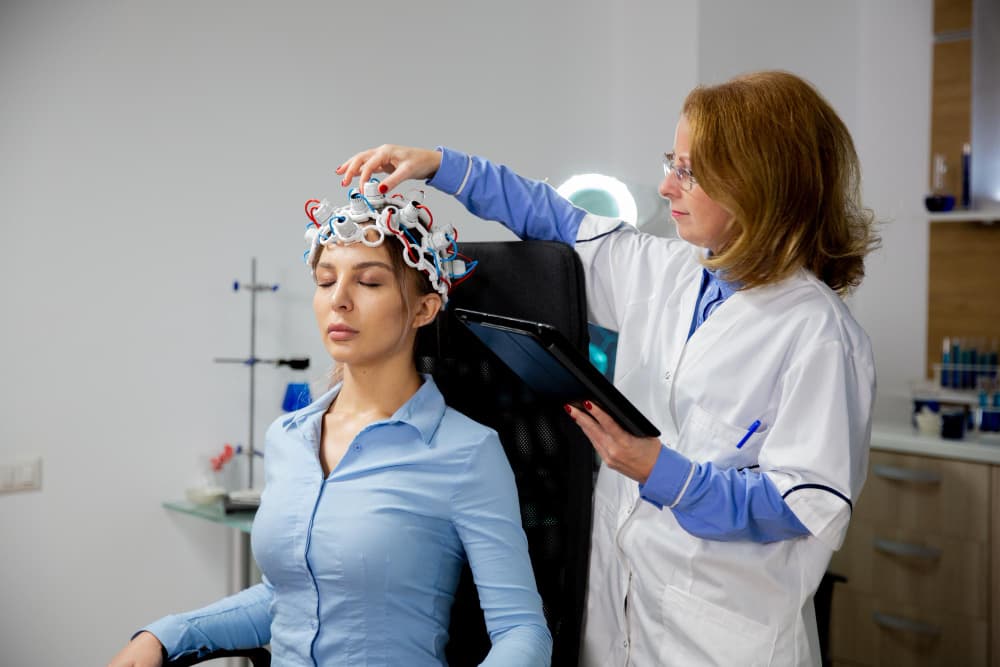

Stroke is widely regarded as a condition of old age — yet a significant and growing proportion of strokes occur in people under fifty, with consequences that fall across a disproportionately long remaining lifespan. Understanding why strokes happen in younger people, what makes them different from stroke in older patients, and what can be done to prevent them is one of the most important and underaddressed areas of modern neurology.
This guide covers stroke in young adultsin depth — its causes, its distinctive risk factor profile, how it presents, and what younger patients and their families can do to reduce their risk.
Stroke in Young Adults: Scale and Significance
Stroke is not exclusively a disease of older age. While the average age for strokes in the general population sits in the mid-to-late seventies, approximately 10 to 15 percent of all strokes occur in people under fifty — a figure that has not declined over recent decades despite significant improvements in overall stroke care. The age range for strokes in younger adults is broad, and young-onset stroke and early-onset stroke are terms applied variably in the literature, but most clinical definitions cover strokes occurring before the age of 50 or 55.
Strokes in young people raise a particular concern that older stroke statistics do not fully capture. They occur at a life stage involving active careers, young children, financial responsibilities, and decades of life ahead — meaning that the consequences of disability, cognitive impairment, fatigue, and depression, are borne over a far longer period than in older survivors. Young stroke survivors also face a significantly elevated risk of recurrent stroke compared to age-matched peers without prior cerebrovascular events, making secondary prevention a clinical priority from the moment of first diagnosis.
Why Strokes Happen in Young Adults?
Understanding the cause of strokes in younger patients requires moving beyond the standard risk factor framework developed for older populations. In young patients with ischemic stroke—which occurs when a blood clot blockages or narrows an artery leading to the brain, cutting off vital blood supply—traditional vascular risk factors such as atrial fibrillation and advanced atherosclerosis play a smaller relative role, while a distinct set of mechanisms and exposures take on greater significance.
Structural and Cardiac Causes
- Patent foramen ovale — a small opening between the heart's upper chambers that fails to close after birth, present in approximately 25 percent of the general population but found at significantly higher rates in young stroke survivors, providing a pathway for paradoxical embolism from the venous circulation to the brain
- Cardioembolic stroke from structural heart disease, arrhythmia, or valvular abnormality producing clot formation and cerebral embolism
- Arterial dissection — spontaneous tearing of the inner wall of the carotid or vertebral artery, one of the most common causes of stroke in people under forty-five, associated with connective tissue disorders, minor neck trauma, and in some cases underlying genetic predisposition
Prothrombotic and Haematological Causes
- Inherited thrombophilias — including factor V Leiden mutation, prothrombin gene mutation, and protein C or S deficiency, which increase blood clotting tendency and arterial or venous thrombotic risk
- Antiphospholipid syndrome — an acquired autoimmune prothrombotic condition producing recurrent arterial and venous thrombosis, such as deep vein thrombosis, and strongly associated with early-onset stroke in young women
- Sickle cell disease — a significant cause of stroke in younger patients, particularly in childhood and early adulthood, through multiple vascular mechanisms
Lifestyle and Environmental Risk Factors
- Smoking — a particularly potent stroke risk factor in younger adults, where its contribution to premature atherosclerosis and arterial inflammation is magnified by decades of remaining exposure time
- Oral contraceptive use in combination with migraine with aura — a well-established risk interaction that significantly elevates ischaemic stroke risk in younger women
- Substance use — cocaine, amphetamines, and other stimulants are a significant cause of stroke in young adults through vasospasm, hypertensive surge, and cardiac arrhythmia
- Obesity and metabolic syndrome — driving premature hypertension, insulin resistance, and dyslipidaemia at ages where these conditions would not otherwise be expected, significantly elevating the lifetime risk of developing advanced cardiovascular disease
- Sleep disorders — particularly obstructive sleep apnea, are increasingly recognised as independent stroke risk factors through mechanisms like nocturnal hypoxia, hypertension, and cardiac arrhythmias.
Genetic and Familial Factors
Genetic predisposition to stroke is significantly more prevalent in young stroke patients than in older ones. Familial stroke — clustering of cerebrovascular events within families — reflects both shared environmental exposures and inherited genetic variants affecting vascular biology, coagulation, and arterial wall integrity. A first-degree relative with stroke increases personal stroke risk by approximately 30 percent, and this figure rises when the affected relative experienced their stroke at a young age.
Specific monogenic conditions — single-gene disorders that directly drive cerebrovascular disease — account for a meaningful proportion of strokes before age 50 and are frequently missed because genetic investigation is not yet routinely integrated into acute stroke workup. Conditions including CADASIL, Fabry disease, and familial hypercholesterolaemia can produce stroke in the thirties and forties and carry implications not only for the affected patient but for their first-degree relatives. Genetic testing for stroke risk is an important preventive tool in this population — identifying inherited predisposition before a second event occurs, and enabling cascade screening of family members who may be at elevated risk without yet knowing it.

Indications of Stroke: Recognising Stroke in Younger Patients
Recognising stroke in younger patients is clinically important and frequently delayed — because both patients and clinicians may not immediately consider stroke as the explanation for acute neurological symptoms in a young, apparently healthy person. The indications of stroke are the same regardless of age, and the FAST framework remains the cornerstone of public recognition:
- Face — sudden drooping or asymmetry on one side of the face
- Arms — sudden weakness or inability to raise one or both arms equally
- Speech — sudden slurred speech, word-finding difficulty, or inability to understand language
- Time — time to call emergency services immediately, without waiting to see if symptoms resolve
Additional symptoms warranting urgent assessment include sudden severe headache described as the worst of one's life — the hallmark of subarachnoid haemorrhage — sudden visual disturbance affecting one or both eyes, acute onset of balance or coordination failure, and sudden numbness or sensory loss on one side of the body. The fact that a patient is young does not make stroke less likely in the presence of these symptoms. Time-to-treatment is as critical in young patients as in older ones, and delays in recognition directly worsen neurological outcomes.
Stroke Risk Factors: What Can Be Modified and What Cannot
The biggest stroke risk factor in any individual patient depends entirely on their specific clinical and genetic profile — but a meaningful proportion of stroke risk in young adults is modifiable, which is where prevention efforts must focus.
Modifiable risk factors that carry the strongest evidence for stroke prevention include:
- Hypertension — the single most important modifiable stroke risk factor at any age, and one that is increasingly common in younger adults due to obesity, sedentary lifestyle, and poor dietary patterns
- Smoking cessation — producing rapid and substantial reduction in stroke risk within years of quitting
- Atrial fibrillation detection and anticoagulation — where cardiac monitoring identifies occult arrhythmia driving embolic risk
- Lipid management — particularly critical in patients with familial hypercholesterolaemia or premature atherosclerosis
- Diabetes and metabolic syndrome management — through weight optimisation, dietary change, and pharmacological intervention where indicated
- Oral contraceptive review in women with migraine with aura or other cerebrovascular risk factors
- Substance cessation — with specific emphasis on stimulant drug use in younger patients where this is a contributing factor
Non-modifiable risk factors — age, sex, genetic predisposition, and family history — define the baseline risk against which modifiable interventions operate. Identifying non-modifiable risk factors accurately is what allows modifiable ones to be targeted with sufficient intensity.
Stroke Investigation in Young Adults
Any stroke in a patient under 50 warrants a more extensive diagnostic workup than is standard for older patients, because the cause — and therefore the optimal secondary prevention strategy — is far more likely to be identifiable and specifically treatable. A comprehensive young stroke investigation includes:
- Advanced brain and vascular imaging — MRI, angiography, and carotid and vertebral artery ultrasound
- Prolonged cardiac monitoring — including at minimum 24-hour Holter monitoring and in many cases implantable loop recorder insertion — to detect paroxysmal atrial fibrillation
- Echocardiography — transthoracic and where indicated transoesophageal — to assess for patent foramen ovale, intracardiac thrombus, and valvular pathology
- Full thrombophilia screen — factor V Leiden, prothrombin mutation, antiphospholipid antibodies, protein C and S, and homocysteine
- Blood testing — including lipid profile, fasting glucose, HbA1c, and full metabolic panel
- Autoimmune and inflammatory markers where vasculitis or connective tissue disease is suspected
- Genetic evaluation where family history or clinical features suggest a monogenic cause
Stroke Prevention, Care and Risk Screening at Medical Park Hospitals
Medical Park Hospitals in Turkey provide comprehensive stroke care and cerebrovascular risk assessment through a dedicated Stroke Center staffed by specialist Neurology, Interventional Radiology, and Neurosurgery teams. For young stroke survivors, the diagnostic workup at Medical Park encompasses the full range of investigations required for thorough aetiological assessment — advanced brain and vascular imaging, prolonged cardiac monitoring, thrombophilia screening, metabolic profiling, and genetic evaluation where clinically indicated — delivered within a single integrated pathway rather than across fragmented outpatient referrals.
For international patients, Medical Park's Stroke Center offers a structured cerebrovascular risk screening programme that can be incorporated into personalised comprehensive check-up plans — combining neurological assessment, vascular imaging, cardiac screening, and laboratory investigation into a single coordinated visit designed around the patient's schedule and travel arrangements. This is particularly relevant for individuals with a family stroke history, known risk factors, or a personal history of transient ischaemic attack who wish to establish a thorough baseline risk assessment in a high-standard clinical environment at substantially lower cost than equivalent private centres in Western Europe or North America.
Whether the need is acute stroke care, post-stroke secondary prevention planning, or proactive cerebrovascular risk screening, Medical Park's neurology and stroke teams provide the clinical depth, diagnostic infrastructure, and multidisciplinary expertise that optimal cerebrovascular care demands.










 Makaleye Dön
 E-Result
 WhatsApp