


 TR
 EN
 RU
 AR
 FR


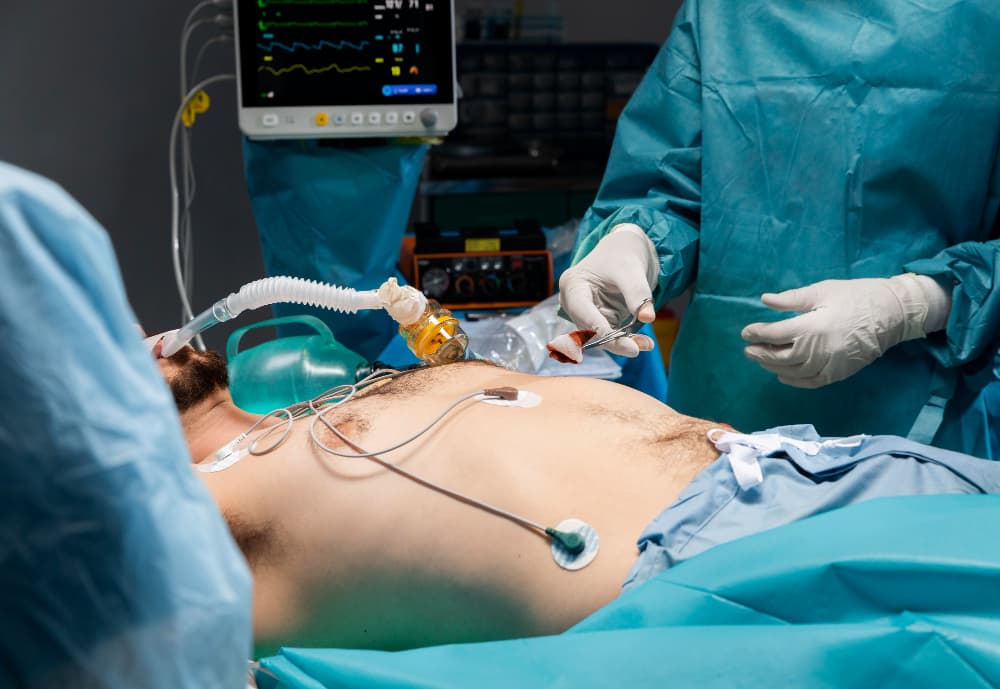

A narrowing of the carotid artery can develop silently for years before causing a transient ischemic attack (TIA) or stroke. Because these arteries supply oxygen-rich blood to the brain, significant blockage can dramatically increase the risk of permanent neurological injury. Carotid endarterectomy is one of the most effective surgical treatments for restoring blood flow and reducing future stroke risk in carefully selected patients.
What Is Carotid Endarterectomy?
Carotid endarterectomy, sometimes referred to as a carotidectomy, is a vascular surgery performed to remove fatty plaque deposits from the carotid artery. The procedure is designed to treat carotid artery stenosis, a condition in which plaque accumulation narrows the artery and restricts blood flow to the brain.
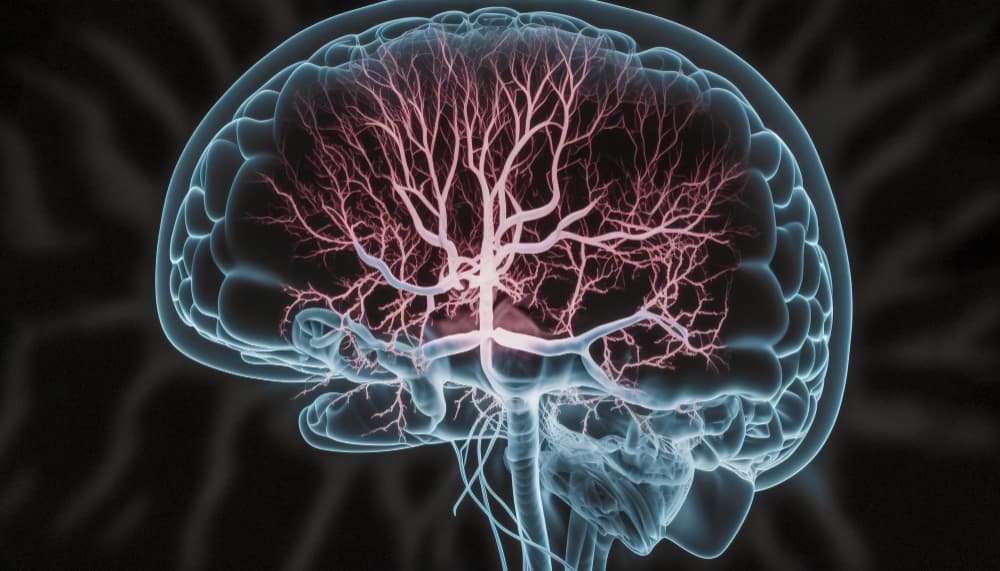
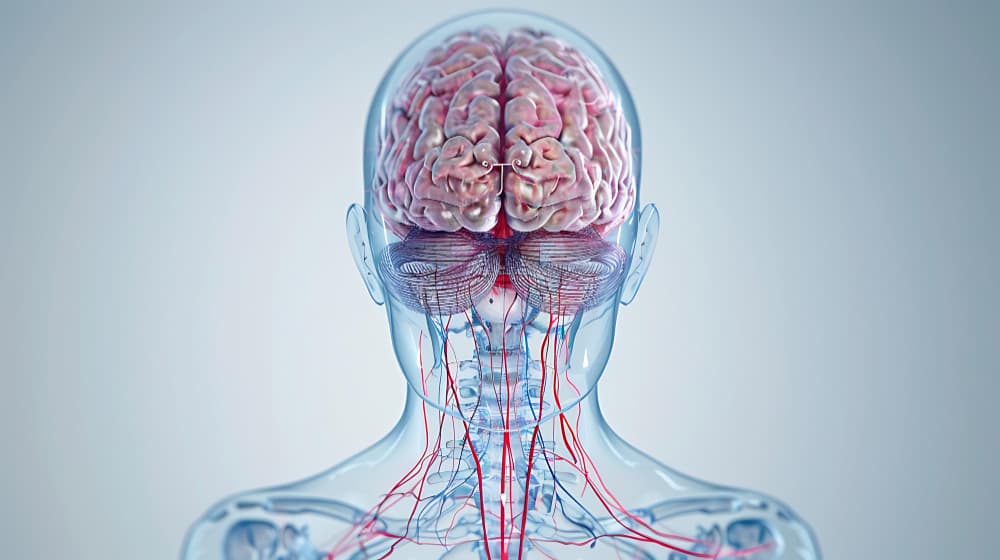
The carotid arteries are the two major blood vessels located on either side of the neck artery region. They carry oxygenated blood from the heart to the brain. When these arteries become narrowed due to atherosclerosis, blood flow may be reduced or plaque fragments may break away and travel to the brain, causing a stroke.
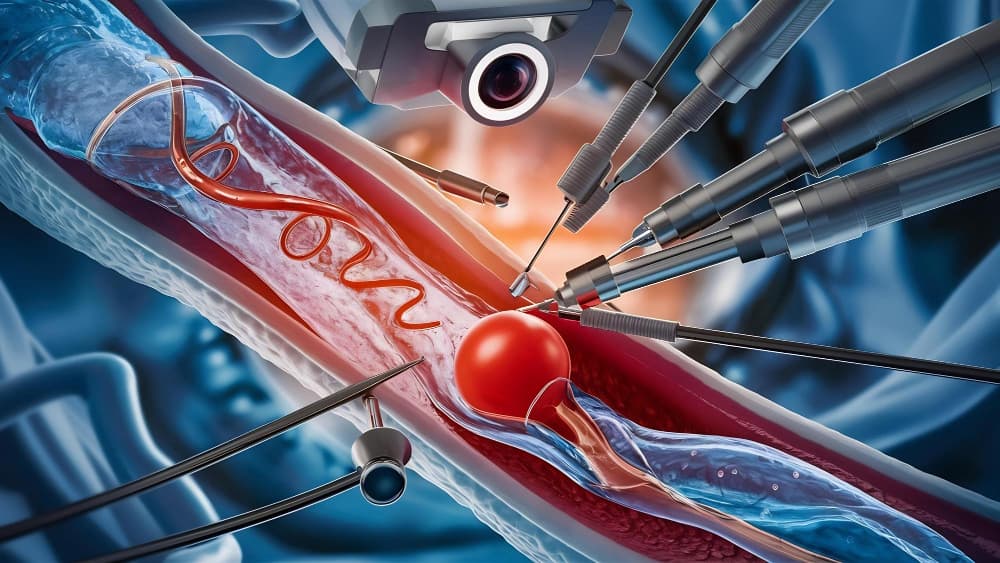
During carotid endarterectomy surgery, the surgeon opens the affected artery, removes the plaque causing the obstruction, and restores a smooth channel for blood flow. The procedure has been performed for decades and remains one of the most thoroughly studied stroke-prevention operations in vascular surgery.
Although the operation is most commonly performed on the carotid arteries, the broader term endarterectomy refers to the surgical removal of plaque from the inner lining of an artery. Similar procedures are performed elsewhere in the body when plaque or chronic obstructions threaten blood flow to vital organs or limbs.
Understanding the Carotid Arteries
The carotid artery system consists of two main vessels:
- Right carotid artery
- Left carotid artery
Each artery travels upward through the neck before dividing into internal and external branches. The internal carotid artery supplies blood directly to the brain, while the external carotid artery supplies structures of the face and scalp.
These arteries play a critical role in maintaining normal brain function. Because brain tissue is highly sensitive to oxygen deprivation, even a temporary reduction in blood flow can cause neurological symptoms. Severe narrowing can increase the risk of stroke, while unstable plaque can release small fragments that travel to the brain and block smaller arteries.
For this reason, carotid artery disease is considered one of the most important preventable causes of ischemic stroke.

What Is Carotid Artery Stenosis?
Carotid artery stenosis is the narrowing of one or both carotid arteries due to the accumulation of atherosclerotic plaque. These deposits are composed of cholesterol, calcium, inflammatory cells, and fibrous tissue.
Over time, plaque gradually thickens the arterial wall and reduces the amount of space available for blood flow. In some cases, the narrowing progresses slowly without causing symptoms. In others, plaque may become unstable and rupture, triggering blood clot formation that can travel to the brain.
The condition may affect:
- A single carotid artery
- The left carotid artery
- The right carotid artery
- Both arteries simultaneously, known as bilateral stenosis of carotid arteries
The severity of narrowing is typically expressed as a percentage. Mild stenosis may require only medical management, whereas severe stenosis often requires more aggressive treatment to reduce stroke risk.
Causes and Risk Factors
Carotid artery disease develops through the same atherosclerotic process that affects the heart, legs, and other blood vessels throughout the body.
Several factors increase the likelihood of developing carotid artery stenosis:
- Increasing age
- Smoking
- High blood pressure
- High cholesterol
- Diabetes
- Obesity
- Sedentary lifestyle
- Family history of cardiovascular disease
- Coronary artery disease
- Peripheral artery disease
The presence of one vascular condition often increases the likelihood of another. Patients diagnosed with carotid artery disease frequently undergo evaluation for coronary artery disease and other forms of atherosclerosis.
Symptoms of Carotid Artery Disease
One of the challenges of carotid artery disease is that it often produces no symptoms until a serious neurological event occurs.
When symptoms do develop, they may indicate a transient ischemic attack (TIA) or stroke and require immediate medical attention.
Common warning signs include:
- Sudden weakness on one side of the body
- Facial drooping
- Slurred speech
- Difficulty speaking or understanding language
- Temporary vision loss in one eye
- Dizziness
- Loss of balance or coordination
- Numbness affecting the face, arm, or leg
A transient ischemic attack is sometimes referred to as a "mini-stroke" because symptoms resolve completely. However, a TIA should never be ignored, as it often serves as a warning sign that a major stroke may occur in the future.
How Is Carotid Artery Stenosis Diagnosed?
Diagnosis begins with a detailed medical history, neurological assessment, and vascular examination.
Several imaging tests may be used to evaluate the carotid arteries:
- Carotid duplex ultrasound
- CT angiography (CTA)
- MR angiography (MRA)
- Conventional catheter angiography
These studies help physicians determine:
- The degree of narrowing
- Whether one or both arteries are affected
- Blood flow characteristics
- Plaque composition
- Stroke risk
- Suitability for surgery
Accurate imaging is essential because treatment decisions are heavily influenced by the severity and location of the blockage.
When Is Carotid Endarterectomy Recommended?
Not every patient with carotid artery disease requires surgery. The decision to proceed with carotid endarterectomy is based on several factors, including the degree of narrowing, whether symptoms have occurred, the patient's overall health, and the estimated risk of future stroke.
Carotid endarterectomy is most commonly recommended for:
- Symptomatic patients with significant carotid artery stenosis
- Individuals who have experienced a transient ischemic attack (TIA)
- Patients who have suffered a minor ischemic stroke
- Selected asymptomatic patients with severe narrowing
- Patients whose life expectancy and overall health make surgery beneficial
The greatest benefit is typically seen in patients who have recently experienced symptoms related to reduced blood flow to the brain. In these cases, the risk of another stroke may be substantially higher if the blockage is left untreated.
For patients with mild narrowing, medical management may be sufficient. For those with advanced disease, however, surgery can significantly reduce the likelihood of a future stroke. The decision is made collaboratively between the patient and a multidisciplinary team that may include cardiovascular surgeons, neurologists, cardiologists, and stroke specialists.
Carotid Artery Stenosis Drugs vs Surgery
Medical therapy remains an essential component of carotid artery disease treatment, regardless of whether surgery is ultimately required.
Common carotid artery stenosis drugs include:
- Antiplatelet medications
- Cholesterol-lowering statins
- Blood pressure medications
- Diabetes treatments when appropriate
These medications help reduce plaque progression, prevent blood clot formation, and lower overall cardiovascular risk. Lifestyle modifications such as smoking cessation, regular exercise, weight management, and dietary improvements are equally important.
However, when carotid artery stenosis becomes severe—particularly in patients who have already experienced a TIA or stroke—medication alone may not adequately address the risk posed by the narrowing itself. In these circumstances, carotid endarterectomy surgery may provide additional protection against future neurological events by physically removing the plaque causing the obstruction.
Rather than replacing medical therapy, surgery works alongside it. Most patients continue taking vascular medications after the procedure to maintain long-term arterial health and reduce the risk of future cardiovascular complications.
The Carotid Endarterectomy Procedure
The endarterectomy procedure is performed by a vascular surgeon and is designed to remove plaque directly from the carotid artery. The operation is typically performed under general anesthesia, although regional anesthesia may be used in selected patients.
Before surgery begins, the affected artery is carefully identified using imaging studies and intraoperative monitoring techniques. Once the artery has been exposed through a small incision in the side of the neck, blood flow is temporarily controlled to allow safe removal of the blockage.
The procedure generally involves the following steps:
- An incision is made along the side of the neck.
- The carotid artery is carefully exposed.
- Blood flow through the artery is temporarily controlled.
- The artery is opened.
- Plaque is meticulously removed from the vessel wall.
- The artery is repaired, often using a patch to widen the vessel and reduce the risk of future narrowing.
- Normal blood flow is restored.
- The incision is closed.
During surgery, the medical team continuously monitors blood flow to the brain. In some cases, a temporary shunt may be used to maintain circulation while the artery is being repaired.
The operation usually takes between one and three hours depending on the complexity of the blockage and the patient's vascular anatomy.
Recovery After Carotid Endarterectomy Surgery
Most patients spend one night in hospital after surgery, although some may require a longer stay depending on their medical condition and recovery progress.
Immediately after the procedure, the healthcare team closely monitors:
- Blood pressure
- Heart rhythm
- Neurological function
- Surgical wound healing
Mild discomfort, temporary neck stiffness, and some swelling around the incision are common during the first few days. Most patients are able to walk on the day of surgery and return to light activities within a week.
Recovery recommendations typically include:
- Taking prescribed medications as directed
- Avoiding heavy lifting for several weeks
- Maintaining good blood pressure control
- Stopping smoking if applicable
- Following a heart-healthy diet
- Attending scheduled follow-up appointments
Carotid duplex ultrasound examinations are often performed after surgery to confirm that the artery remains open and blood flow is normal.
Most patients experience a full recovery and return to normal activities within several weeks.
Carotid Endarterectomy vs Carotid Artery Stenting
Both carotid endarterectomy and carotid artery stenting are designed to reduce stroke risk by improving blood flow through a narrowed carotid artery. However, the procedures differ significantly in how they achieve this goal.
Carotid endarterectomy removes plaque directly from the artery through an open surgical approach. Carotid artery stenting, by contrast, uses a catheter inserted through a blood vessel to place a metal mesh stent inside the narrowed segment, expanding the artery without the need for a neck incision.
Stenting may be considered for patients who:
- Have previously undergone neck surgery
- Have received radiation therapy to the neck
- Have anatomical factors that make surgery more challenging
- Are considered high-risk candidates for open surgery
For many patients with symptomatic carotid artery stenosis, however, carotid endarterectomy remains the preferred treatment because of its well-established long-term effectiveness in stroke prevention. Numerous clinical studies have demonstrated durable outcomes and excellent protection against future neurological events when the procedure is performed by experienced vascular surgeons.
The choice between surgery and stenting is individualized and depends on factors such as age, anatomy, symptom history, overall health, and the expertise of the treating team.
Risks and Complications of Carotid Endarterectomy
Carotid endarterectomy is generally considered a safe and highly effective procedure when performed in experienced vascular centers. Nevertheless, as with any surgical intervention, potential risks exist.
Possible complications include:
- Stroke
- Heart attack
- Bleeding
- Infection
- Blood clot formation
- Nerve injury affecting swallowing, speech, or tongue movement
- Re-narrowing of the artery over time
Although these complications are uncommon, patients undergo careful preoperative assessment to ensure that the benefits of surgery outweigh the risks. For many individuals with severe carotid artery stenosis, the risk of leaving the blockage untreated is significantly greater than the risk associated with surgery.
Other Types of Endarterectomy
Although carotid endarterectomy is one of the most common vascular procedures, endarterectomy can also be performed in other parts of the body.
Femoral Endarterectomy
A femoral endarterectomy, also known as a femoral artery endarterectomy, removes plaque from arteries supplying the legs. It is commonly used to treat peripheral artery disease and improve blood flow to the lower extremities.
Pulmonary Endarterectomy
Pulmonary endarterectomy is a specialized operation used to remove chronic clot material from the pulmonary arteries in patients with chronic thromboembolic pulmonary hypertension (CTEPH). The procedure can significantly improve lung circulation and reduce pressure on the heart.
Carotid Endarterectomy and Cardiovascular Surgery at Medical Park
Medical Park's Cardiovascular Surgery teams provide comprehensive evaluation and treatment for carotid artery disease, including advanced imaging, medical management, and carotid endarterectomy surgery when indicated. Each patient undergoes individualized assessment to determine the most appropriate treatment strategy based on the severity of carotid artery stenosis, neurological symptoms, and overall cardiovascular health.
Because carotid artery disease is one of the leading causes of ischemic stroke, treatment planning often involves close collaboration with Medical Park's Stroke Center, where neurologists, stroke specialists, and interventional radiology, and advanced teams work alongside cardiovascular surgeons to assess stroke risk, manage acute neurological symptoms, and coordinate long-term prevention strategies. This multidisciplinary approach helps ensure that patients receive timely and comprehensive care at every stage of treatment.




 Makaleye Dön
 E-Result
 WhatsApp