


 TR
 EN
 RU
 AR
 FR


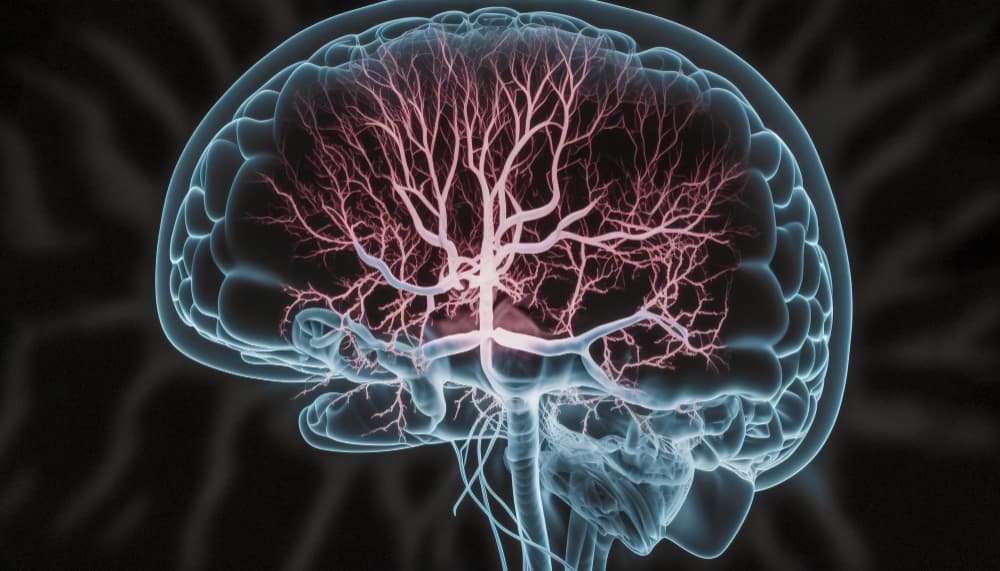

An ischemic stroke occurs when blood flow to part of the brain becomes blocked, preventing oxygen and nutrients from reaching brain tissue. Because brain cells rely on a constant supply of blood, even a brief interruption can lead to serious damage. As the most common type of stroke, ischemic stroke accounts for the majority of cerebrovascular accidents worldwide and remains a leading cause of disability and death.
When blood flow is reduced or completely cut off, a condition known as cerebral ischemia develops. If circulation is not restored quickly, brain cells begin to die, resulting in an area of permanent damage called a cerebral infarction or cerebral infarct. These terms are often used interchangeably when describing ischemic stroke and its effects on the brain. Early recognition of ischemic stroke symptoms and prompt treatment are essential for limiting brain injury and improving recovery outcomes.
What Is an Ischemic Stroke?
Ischemic stroke, sometimes spelled ischaemic stroke, occurs when an artery supplying blood to the brain becomes blocked or severely narrowed. This interruption prevents oxygen-rich blood from reaching brain tissue, causing cerebral ischemia and potentially permanent damage if blood flow is not restored quickly.
The brain requires a continuous supply of oxygen and nutrients to function properly. When circulation is disrupted, brain cells begin to die within minutes. The resulting area of damaged tissue is known as a cerebral infarction or cerebral infarct.
The effects of an ischemic stroke depend on which part of the brain is affected. Some people experience weakness on one side of the body, while others develop difficulties with speech, vision, memory, or coordination. The severity of symptoms often depends on the size and location of the blocked artery as well as how quickly treatment is received.
What Causes an Ischemic Stroke?
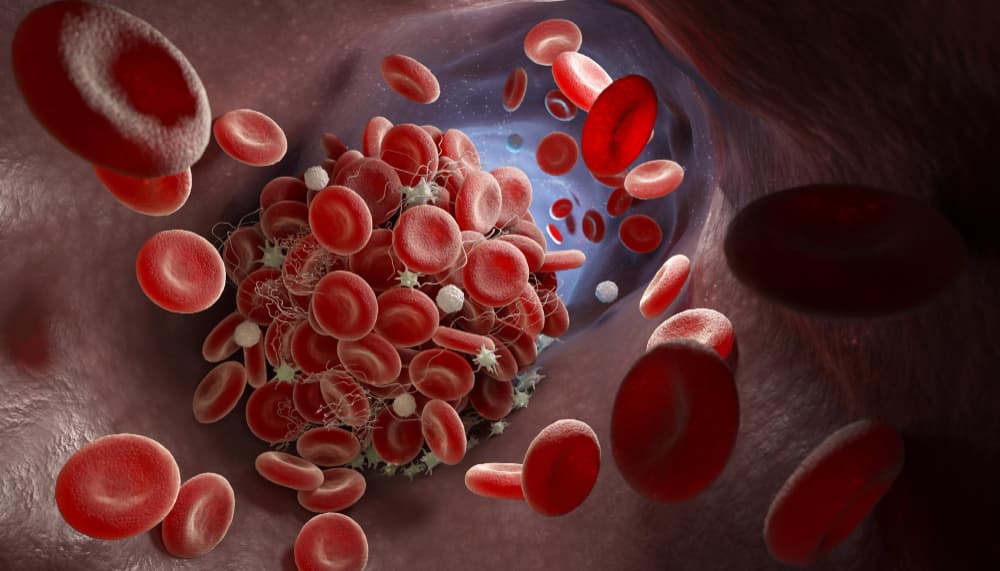
An ischemic stroke is usually caused by a blood clot in the brain or by a clot that forms elsewhere in the body and travels to the brain. When the clot blocks an artery, blood can no longer reach the affected area, depriving brain tissue of oxygen and nutrients.
Several underlying conditions can increase the risk of developing these blockages.
Atherosclerosis
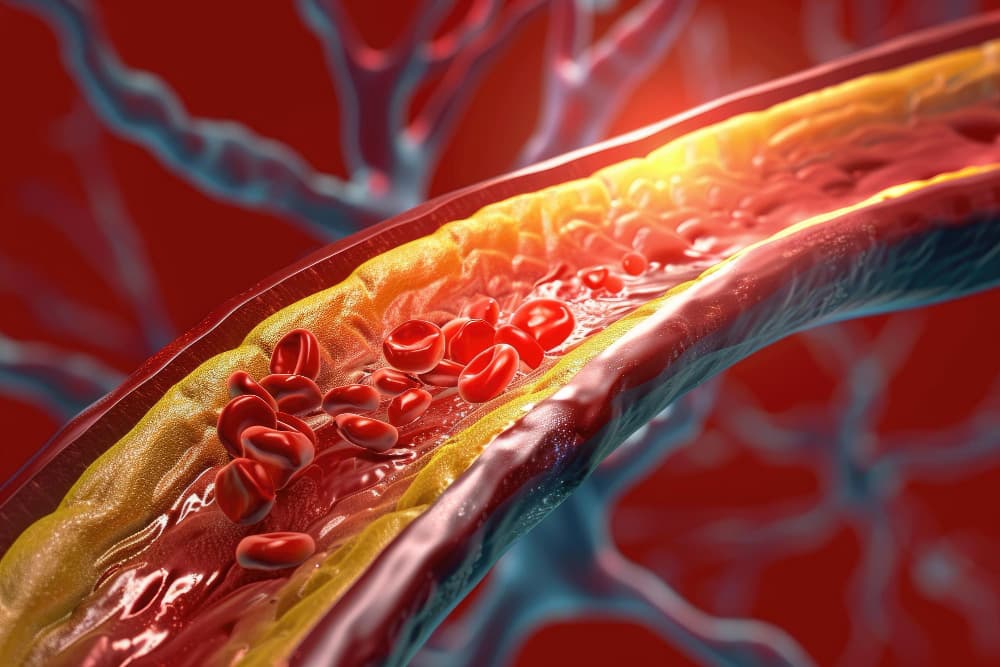
Atherosclerosis is one of the most common causes of ischemic stroke. It occurs when fatty deposits, cholesterol, and other substances accumulate inside artery walls, causing them to narrow and harden over time.
If a plaque ruptures, a blood clot may form and obstruct blood flow to the brain. This can result in an acute ischemic stroke that requires immediate medical treatment.
Heart Conditions
Certain heart conditions increase the risk of blood clot formation.
Atrial fibrillation, an irregular heart rhythm, is one of the most significant risk factors. Blood can pool inside the heart and form clots, which may then travel through the bloodstream and block arteries supplying the brain.
Carotid Artery Disease
The carotid arteries are major blood vessels located on either side of the neck that supply blood to the brain. When these arteries become narrowed due to plaque buildup—a condition known as carotid artery stenosis—the risk of ischemic stroke increases.
In some cases, plaque fragments or blood clots can travel to the brain and block smaller arteries. Depending on the severity of the narrowing, treatment may include medications or carotid endarterectomy, a procedure that removes plaque from the carotid artery to help reduce stroke risk.

What Are the Types of Ischemic Stroke?
Ischemic strokes are generally categorized based on how the blockage develops. Understanding the different types can help explain the underlying cause and guide treatment decisions.
Thrombotic Stroke
A thrombotic stroke occurs when a blood clot forms directly within an artery supplying the brain. This type of stroke is most commonly associated with atherosclerosis and usually develops in arteries that have gradually narrowed over time.
Because the underlying artery disease develops slowly, some people may experience warning symptoms before a major stroke occurs.
Embolic Stroke
An embolic stroke occurs when a blood clot forms elsewhere in the body and travels through the bloodstream until it becomes lodged in a brain artery.
Heart-related conditions such as atrial fibrillation are among the most common causes of embolic stroke. Symptoms often develop suddenly because the blockage occurs without warning.
What Is a Transient Ischemic Attack?
A transient ischemic attack (TIA), also known as mini-stroke, is a temporary interruption of blood flow to part of the brain that causes stroke-like symptoms without resulting in permanent brain damage. Symptoms may include weakness, numbness, speech difficulties, vision changes, or loss of balance and typically resolve within minutes or hours.
Although symptoms disappear, a transient ischemic attack should never be ignored, as it may be an early warning sign of a future ischemic stroke. For more information about symptoms, causes, diagnosis, and prevention, read our dedicated guide on Transient Ischemic Attack (TIA).
What Are the Symptoms of an Ischemic Stroke?
Ischemic stroke symptoms usually appear suddenly and often affect one side of the body. The exact symptoms depend on the area of the brain affected and the extent of the interruption in blood flow.
Common ischemic stroke symptoms include:
- Sudden weakness or numbness of the face, arm, or leg
- Facial drooping
- Difficulty speaking or understanding speech
- Sudden confusion
- Vision loss or blurred vision
- Loss of balance or coordination
- Difficulty walking
- Dizziness
- Sudden difficulty swallowing
- Severe headache in some cases
Because every minute counts during a stroke, immediate medical attention is essential whenever these symptoms occur.
When Should You Seek Emergency Medical Care?
A cerebrovascular accident (stroke) is always a medical emergency. Delaying treatment can increase the amount of permanent brain damage and reduce the effectiveness of certain therapies.
Seek immediate medical attention if someone develops:
- Sudden facial drooping
- Weakness of the arm or leg
- Difficulty speaking
- Sudden confusion
- Vision changes
- Loss of balance
- Difficulty walking
These warning signs are often summarized by the B.E.F.A.S.T. method, which stands for Balance, Eyes, Face, Arm, Speech, and Time. If any of these symptoms occur, it is important to seek emergency medical care immediately. Prompt diagnosis and treatment can significantly improve recovery outcomes.
Ischemic vs Hemorrhagic Stroke
Although both ischemic and hemorrhagic stroke affect blood flow to the brain, they occur for different reasons.
An ischemic stroke develops when a blood clot or narrowed artery blocks blood flow. A hemorrhagic stroke occurs when a blood vessel ruptures and causes bleeding within or around the brain.
Understanding ischemic vs hemorrhagic stroke is important because treatment approaches differ considerably. Therapies used to restore blood flow during ischemic stroke may be harmful if bleeding is present.
For this reason, brain imaging is a critical part of the diagnostic process and helps doctors determine the most appropriate treatment strategy.
What Increases the Risk of Ischemic Stroke?
Several medical conditions and lifestyle factors can increase the likelihood of developing an ischemic stroke. While some risk factors cannot be changed, many can be managed through healthy lifestyle choices and appropriate medical care.
Common risk factors include:
- High blood pressure
- High cholesterol
- Diabetes
- Smoking
- Obesity
- Physical inactivity
- Atrial fibrillation
- Coronary artery disease
- Excessive alcohol consumption
- Advanced age
- Family history of stroke
Addressing these risk factors can significantly reduce the likelihood of a future stroke.
How Is an Ischemic Stroke Diagnosed?
Rapid diagnosis is essential because many treatments are most effective when administered shortly after symptoms begin.
Doctors typically begin with a neurological examination to assess speech, movement, sensation, coordination, balance, and mental status. Imaging studies are then used to confirm the diagnosis and identify the location of the blockage.
CT Scan
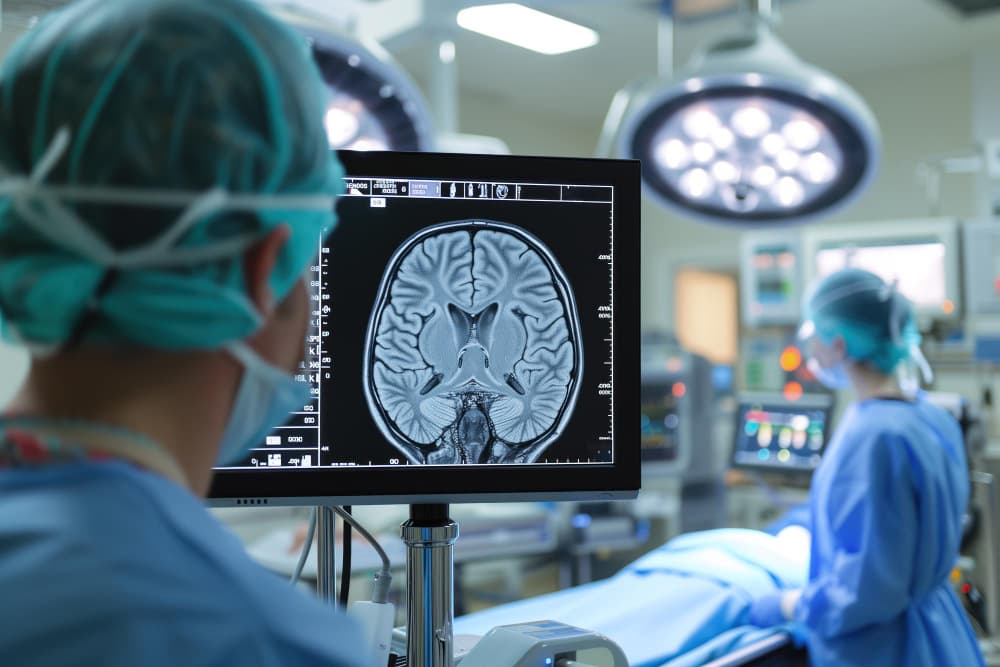
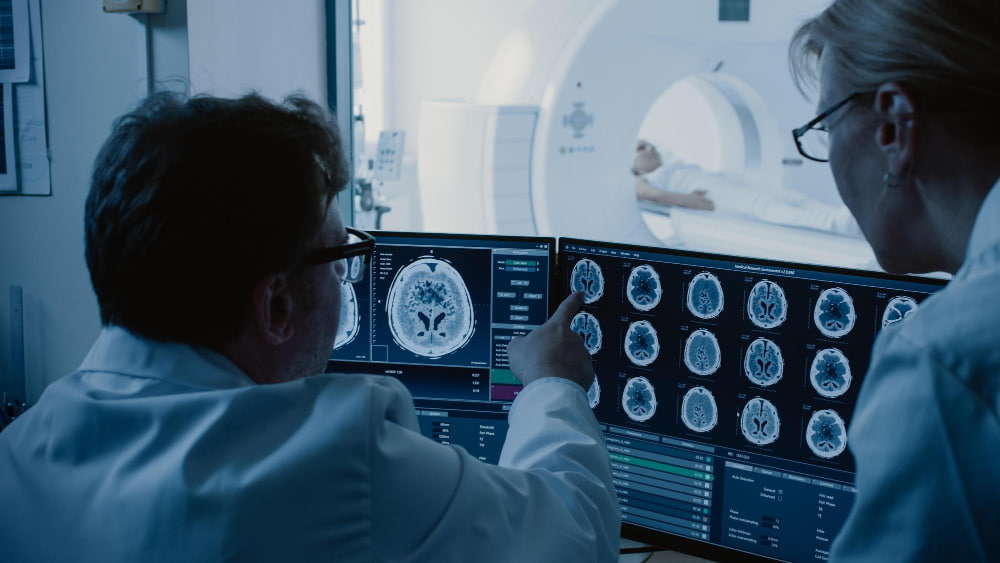
A computed tomography (CT) scan is often the first imaging test performed in suspected stroke cases. It can quickly distinguish ischemic stroke from hemorrhagic stroke and help guide treatment decisions.
MRI
Magnetic resonance imaging (MRI) provides detailed images of brain tissue and can identify areas affected by cerebral ischemia and cerebral infarction.
Vascular Imaging
Specialized imaging techniques may be used to evaluate blood vessels supplying the brain and identify narrowed or blocked arteries.
Blood Tests
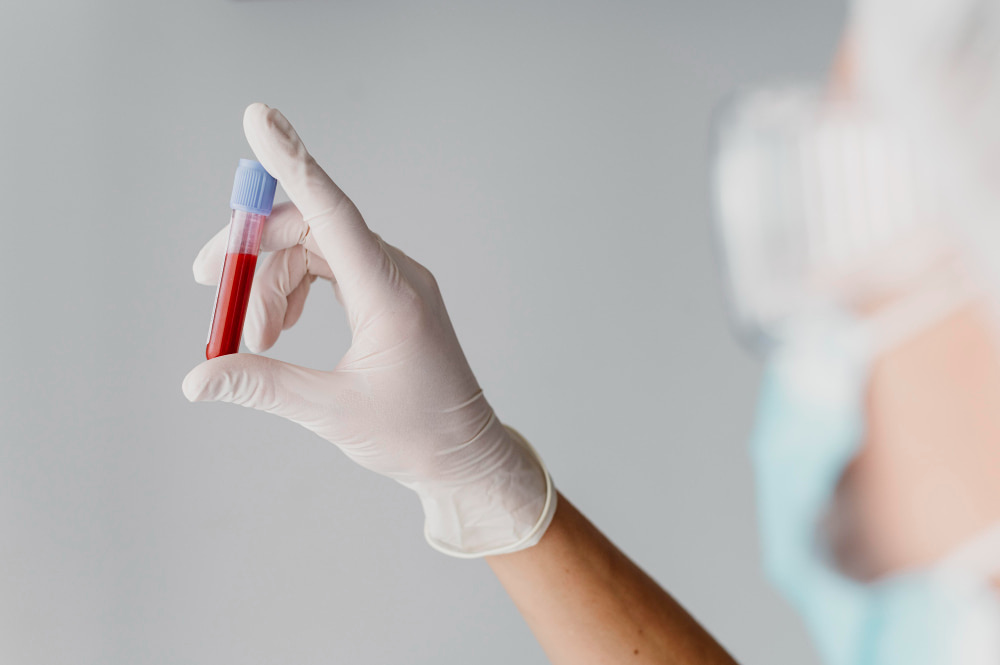
Blood tests help evaluate clotting function, blood sugar levels, cholesterol levels, and other factors that may contribute to stroke risk.
Acute Ischemic Stroke Treatment
Acute ischemic stroke treatment focuses on restoring blood flow to the brain as quickly as possible. Prompt intervention can reduce the amount of brain tissue that becomes permanently damaged and improve the chances of recovery.
The most appropriate treatment depends on the location of the blockage, the severity of symptoms, and the amount of time that has passed since symptom onset.
Emergency Treatment
Emergency treatment begins immediately after arrival at the hospital. The medical team works quickly to confirm the diagnosis, stabilize the patient, and determine whether advanced stroke therapies are appropriate. Because stroke treatment is highly time-sensitive, every minute matters. This is often referred to as the golden hour in stroke, when rapid diagnosis and intervention can help preserve brain tissue and improve long-term outcomes.
Monitoring vital signs and neurological function is an important part of early stroke care. For eligible patients, early treatment during this critical period may increase access to therapies such as intravenous thrombolysis and mechanical thrombectomy. For more information, read our dedicated guide on the Golden Hour in Stroke.
Intravenous Thrombolysis
Intravenous thrombolysis involves administering clot-dissolving medication through a vein to restore blood flow to affected areas of the brain.
This treatment is most effective when given within a specific time window after symptoms begin. For eligible patients, intravenous thrombolysis can significantly improve outcomes and reduce long-term disability.
Mechanical Thrombectomy
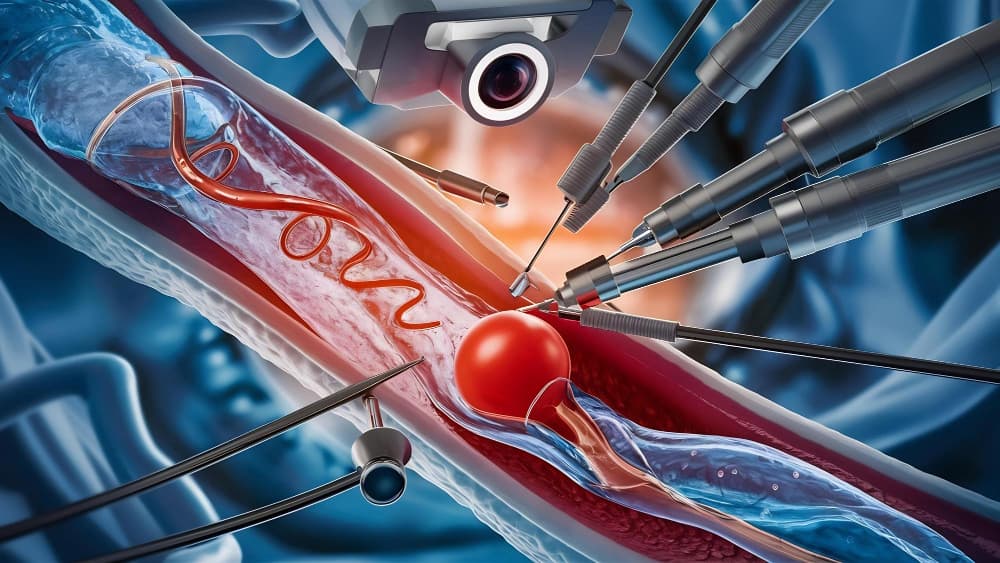
Mechanical thrombectomy is a minimally invasive procedure used to remove large blood clots from arteries supplying the brain.
During the procedure, a catheter is guided through the blood vessels to the site of the blockage. Specialized devices are then used to capture and remove the clot, restoring blood flow.
Mechanical thrombectomy has become one of the most important advances in acute ischemic stroke treatment and can dramatically improve outcomes in appropriately selected patients.
Ongoing Monitoring and Stroke Unit Care
After emergency treatment, patients are closely monitored for neurological changes and potential complications.
Stroke unit care may include blood pressure management, prevention of recurrent stroke, treatment of underlying medical conditions, and the early initiation of rehabilitation therapies.
Ischemic Stroke Recovery
Recovery after an ischemic stroke varies considerably from person to person. Factors such as the size of the cerebral infarction, the area of the brain affected, age, overall health, and the speed of treatment can all influence recovery outcomes.
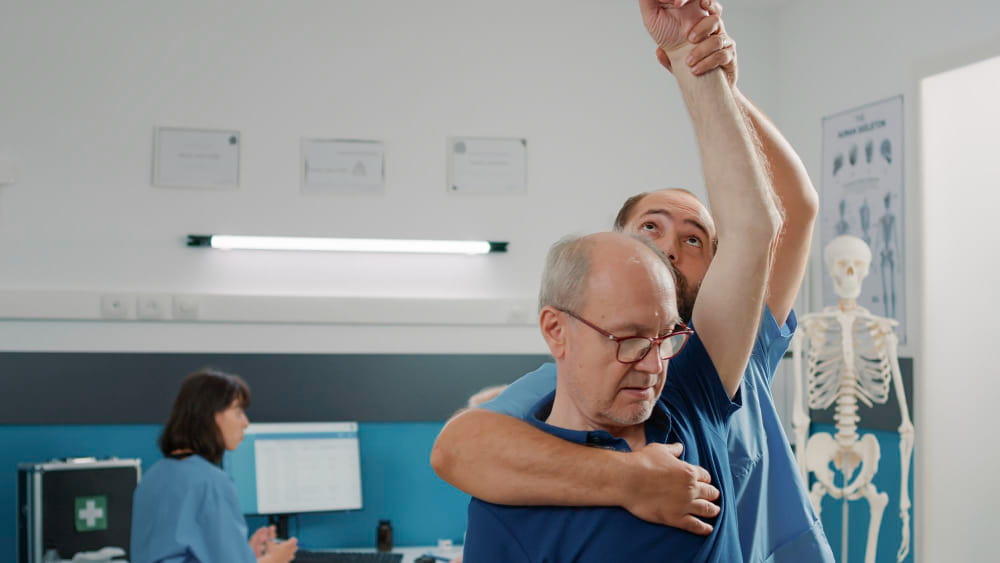
Rehabilitation often begins shortly after the patient's condition stabilizes. Early intervention helps patients regain lost abilities and encourages the brain to adapt following injury.
A comprehensive rehabilitation program may include:
- Physical therapy to improve strength, mobility, and balance
- Occupational therapy to restore daily living skills
- Speech and language therapy
- Swallowing rehabilitation
- Cognitive rehabilitation
- Emotional and psychological support
Recovery may continue for months or even years after the initial stroke. While some individuals regain most of their previous abilities, others may require ongoing support and rehabilitation.
Quality of Life After Ischemic Stroke
Quality of life after ischemic stroke depends on the severity of the brain injury, the effectiveness of treatment, and access to rehabilitation services. While some people recover with minimal long-term effects, others may continue to experience physical, cognitive, or emotional challenges.
Potential long-term effects may include weakness, speech difficulties, memory problems, fatigue, balance disturbances, and difficulty concentrating. Some stroke survivors also experience anxiety, depression, or changes in emotional well-being.
Many individuals are able to return to work, family responsibilities, hobbies, and independent living. Continued rehabilitation, regular medical follow-up, and strong social support can help maximize recovery and improve overall quality of life.
Can Ischemic Stroke Be Prevented?
Although not all ischemic strokes can be prevented, many risk factors can be effectively managed.
Preventive measures include:
- Controlling blood pressure
- Managing diabetes
- Maintaining healthy cholesterol levels
- Avoiding tobacco use
- Exercising regularly
- Maintaining a healthy weight
- Following prescribed medications
- Managing atrial fibrillation and other heart conditions
Regular medical checkups can help identify risk factors early and reduce the likelihood of future stroke.
Acute Ischemic Stroke Care and Rehabilitation at Medical Park
Medical Park's Stroke Center provides comprehensive care for patients experiencing acute ischemic stroke. A multidisciplinary team of neurologists, interventional radiologists, neurosurgeons, intensive care specialists, and rehabilitation professionals works together to ensure rapid diagnosis and timely treatment. Advanced imaging technologies help identify eligible patients for interventions such as intravenous thrombolysis and mechanical thrombectomy when appropriate.
Following emergency treatment, rehabilitation plays a central role in recovery. Medical Park offers individualized rehabilitation programs designed to improve mobility, communication, cognitive function, and daily living skills. Through coordinated follow-up care and comprehensive rehabilitation services, patients receive support throughout every stage of ischemic stroke recovery.




 Makaleye Dön
 E-Result
 WhatsApp