


 TR
 EN
 RU
 AR
 FR


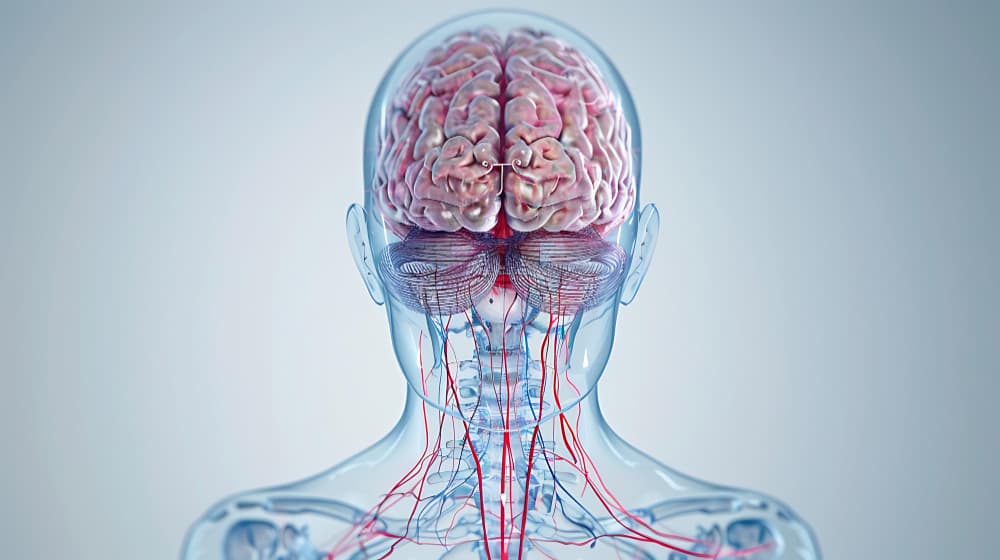


Carotid artery stenosis (CAS) — the narrowing of the major arteries in the neck that supply blood to the brain — is one of the most common and preventable causes of ischemic stroke and transient ischemic attack (TIA). Because it develops silently over many years and often produces no symptoms until a stroke occurs, understanding what causes it, how it is detected, and what treatment options are available is essential for anyone at risk.
What is Carotid Artery Stenosis?
To explain carotid artery stenosis, it is essential to understand how the anatomy of the carotid arteries directly influences the development of this condition. Running on either side of the neck, the carotid arteries serve as the principal blood supply to the brain, carrying oxygenated blood upward from the heart. Each artery divides near the angle of the jaw into two branches: the external carotid artery, which supplies the face and scalp, and the internal carotid artery, which continues into the skull to feed the brain directly.
Carotid artery stenosis specifically describes the narrowing or constriction of these vessels, a localized manifestation of broader carotid artery disease (CAD) that directly threatens neurological survival. This progressive narrowing occurs almost exclusively at the division point known as the carotid bifurcation, where the naturally smooth blood flow splits and becomes highly turbulent.
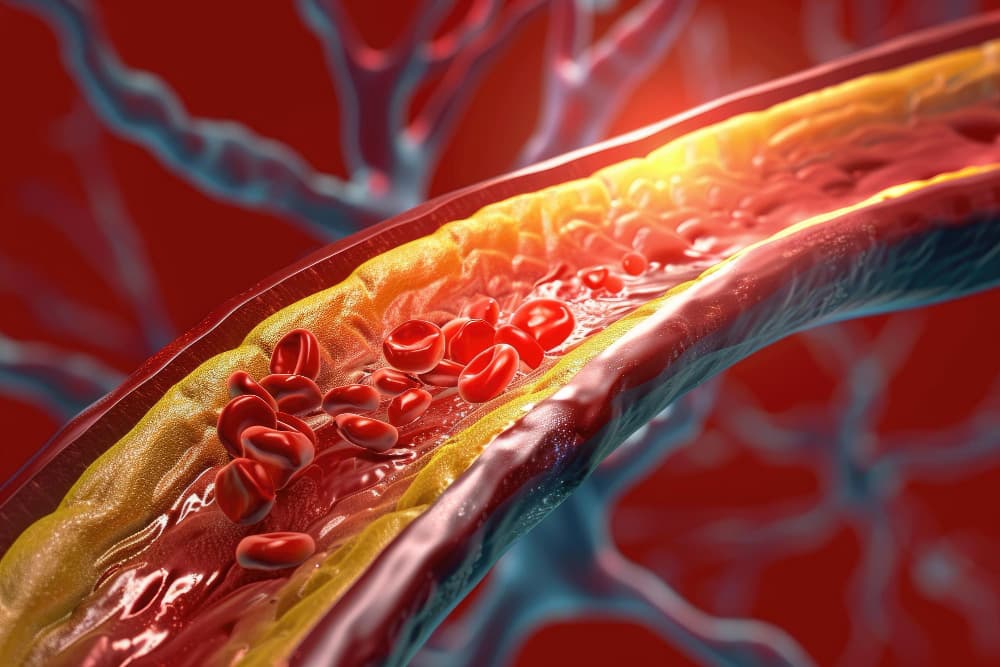
This constant, swirling current inflicts chronic mechanical stress on the inner lining of the internal carotid artery, making it highly susceptible to microscopic injuries. Over several decades, this localized vascular damage allows circulating cholesterol, fats, and calcium to penetrate the vessel wall and form a hardened atherosclerotic plaque. As this plaque accumulates, it progressively constricts the internal channel of the artery, dangerously restricting blood flow or risking a plaque rupture that can instantly trigger a stroke.
What Causes Carotid Artery Stenosis?
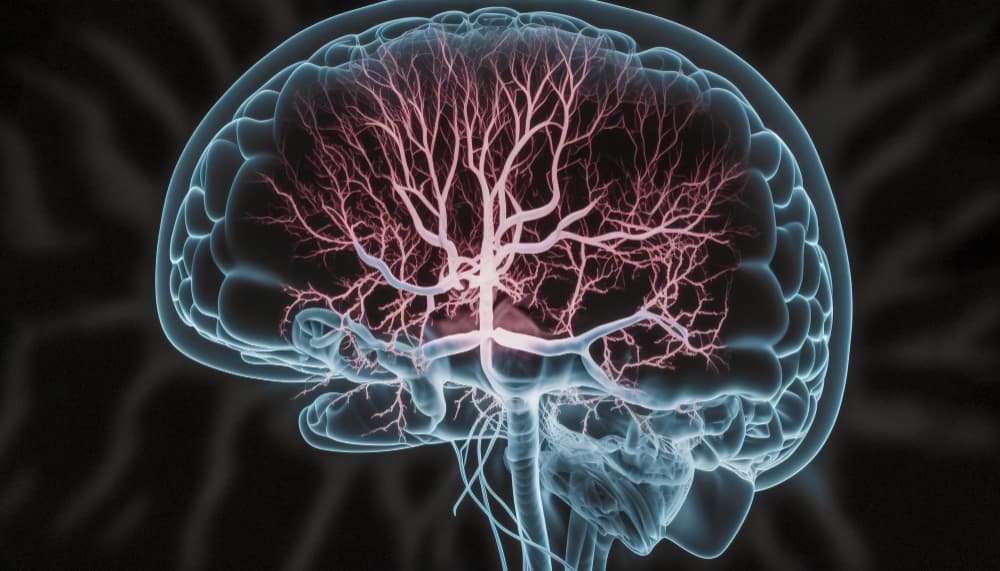
Carotid stenosis is caused by atherosclerosis — the gradual build-up of plaques made up of cholesterol, fat, calcium, and inflammatory cells on the inner wall of the artery. As these plaques grow over years, they narrow the artery and reduce blood flow to the brain. The more immediate danger, however, is not the narrowing itself but plaque instability: when a plaque ruptures, fragments break off, travel into the smaller arteries of the brain, and block them — causing a transient ischemic attack (TIA — mini stroke) or stroke with little or no warning.
Carotid atherosclerosis is part of the same systemic disease process that causes fatty build-up in the heart's arteries and the vessels supplying the legs, which is why patients with significant carotid stenosis are also at elevated risk of heart attack and peripheral artery disease. The factors most strongly associated with its development include:
- High blood pressure (hypertension): The single most important modifiable risk factor — chronically elevated blood pressure damages the artery wall, accelerates plaque build-up, and increases the risk of plaque rupture
- Smoking: Directly injures the inner lining of blood vessels and sustains chronic arterial inflammation, accelerating atherosclerosis throughout the body including the neck arteries
- High cholesterol: Provides the raw material for plaque formation; high LDL cholesterol levels are associated with the unstable plaque types most likely to rupture and cause a stroke
- Diabetes: Damages blood vessel walls and promotes arterial stiffening, significantly accelerating atherosclerosis in the carotid and cerebral arteries
- Age: Significant carotid stenosis affects approximately 5 to 10 percent of adults over 65, with prevalence increasing with each subsequent decade. While less common in earlier stages of life,
stroke in young adults - Family history of heart disease or stroke: Reflects inherited tendencies toward premature atherosclerosis, high blood pressure, and abnormal cholesterol that elevate risk earlier in life
Bilateral carotid artery stenosis — narrowing affecting both arteries at the same time — carries a higher combined stroke risk because the brain cannot rely on compensatory blood supply from the opposite side.

Symptoms of Carotid Artery Stenosis
One of the most important features of carotid artery disease is that it is very often completely silent. Many patients have narrowing of 70 percent or more of the artery's diameter — a level where stroke risk is meaningfully elevated — and yet feel nothing unusual. The condition is discovered by chance during a scan for another reason, or, at worst, in the aftermath of a stroke or TIA that could have been prevented with earlier treatment.
When symptoms do appear, they almost always take the form of a transient ischemic attack or a full ischemic stroke. A TIA produces sudden neurological symptoms that look and feel exactly like a stroke but resolve completely within 24 hours without permanent damage. This resolution is not reassuring — it is a warning. The risk of a full stroke in the hours and days following a carotid-related TIA is high, and it demands immediate medical attention. The symptoms associated with carotid artery disease reflect the area of the brain supplied by the affected internal carotid artery and typically include:
- Sudden weakness or numbness on one side of the body: Affecting the arm, leg, or face — the affected side is opposite to the narrowed artery, because each carotid artery supplies the other side of the brain
- Sudden speech problems: Slurred or garbled speech, sudden difficulty finding words, or inability to understand what others are saying
- Sudden vision loss in one eye: A brief, painless loss of vision often described as a curtain dropping across one eye, caused by a small clot travelling into the artery supplying that eye; known as amaurosis fugax, this symptom is highly specific to carotid artery disease and always requires urgent investigation
- Sudden weakness in an arm or leg: Unilateral loss of strength that comes on without warning and then resolves — one of the most recognisable patterns of carotid territory ischemia
How Carotid Artery Stenosis Is Diagnosed
Diagnosis relies on a combination of clinical assessment and vascular imaging, with the degree of narrowing — measured as a percentage of the artery's internal channel that is blocked — guiding both risk stratification and treatment decisions.
The standard first investigation is a carotid ultrasound, also known as a carotid duplex scan. Using the same sound-wave technology as a pregnancy scan, it produces live images of the carotid arteries in the neck, measures the degree of narrowing, and assesses blood flow through the narrowed segment. It is painless, safe, and can be performed quickly in an outpatient setting. It also provides information about the character of the plaque — whether it appears stable or looks prone to rupturing.
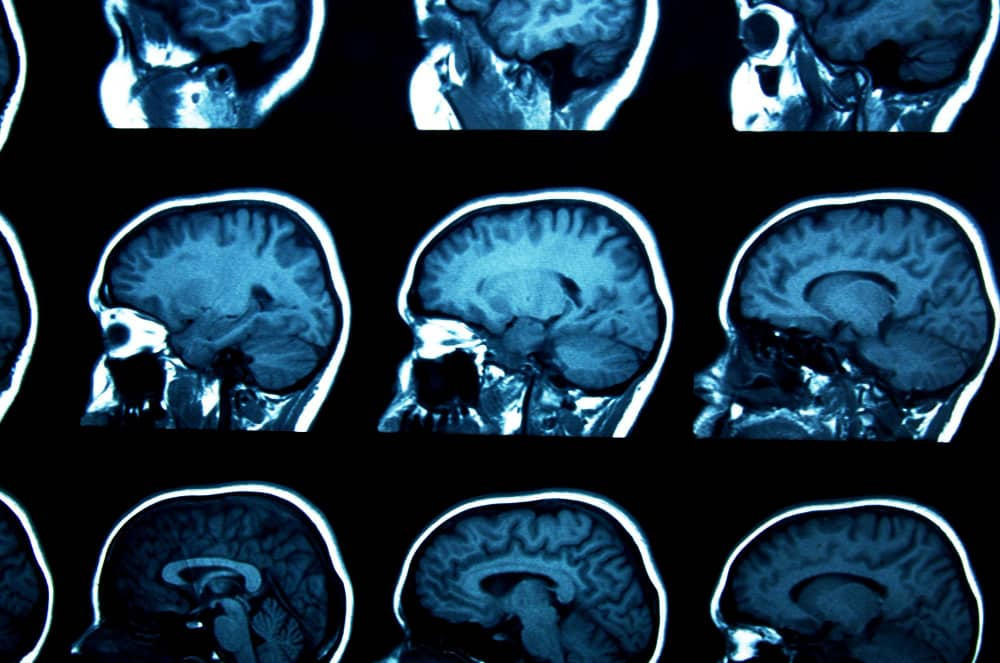
Where its findings require confirmation, or when a surgical or endovascular procedure is being planned, CT angiography or MR angiography is performed, producing detailed three-dimensional images of the carotid arteries and the blood vessels inside the brain that allow the stenosis to be mapped precisely. Conventional catheter angiography — where dye is injected directly into the artery — is reserved for cases where non-invasive imaging is inconclusive.
Carotid Artery Stenosis Treatment Options
Treatment is tailored to each patient based on the degree of narrowing, whether they have already had a TIA or stroke, the plaque's appearance on imaging, and their overall health. Every patient receives medical therapy; those with significant symptomatic stenosis are also offered a procedure to physically open the artery. The core medical measures are:
- Antiplatelet therapy: Medications such as aspirin or clopidogrel that reduce the stickiness of blood platelets, making it harder for a clot to form on the plaque surface and lowering the risk of TIA or stroke
- Statin therapy: Cholesterol-lowering medications that also stabilise arterial plaque and reduce vessel wall inflammation, prescribed to all patients with carotid atherosclerosis regardless of starting cholesterol level
- Blood pressure medication: Tight blood pressure control is one of the most effective tools for slowing atherosclerosis progression and reducing the risk of plaque rupture
- Blood sugar management: In patients with diabetes, good glycaemic control reduces the vascular damage that drives atherosclerosis
- Smoking cessation and lifestyle changes: Stopping smoking is one of the most powerful single interventions available; a heart-healthy diet, regular physical activity, and moderate alcohol consumption further reduce long-term risk
Surgical and Interventional Procedures
For patients with symptomatic carotid stenosis of 50 percent or more — where the narrowing has already caused a TIA or stroke — physically opening the artery is recommended alongside medical therapy. Two established approaches are used.
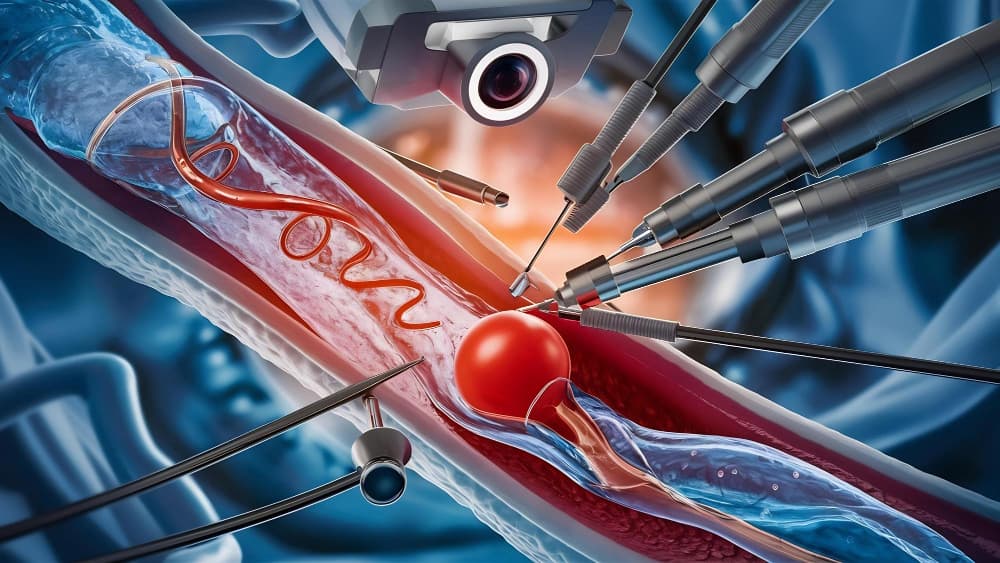
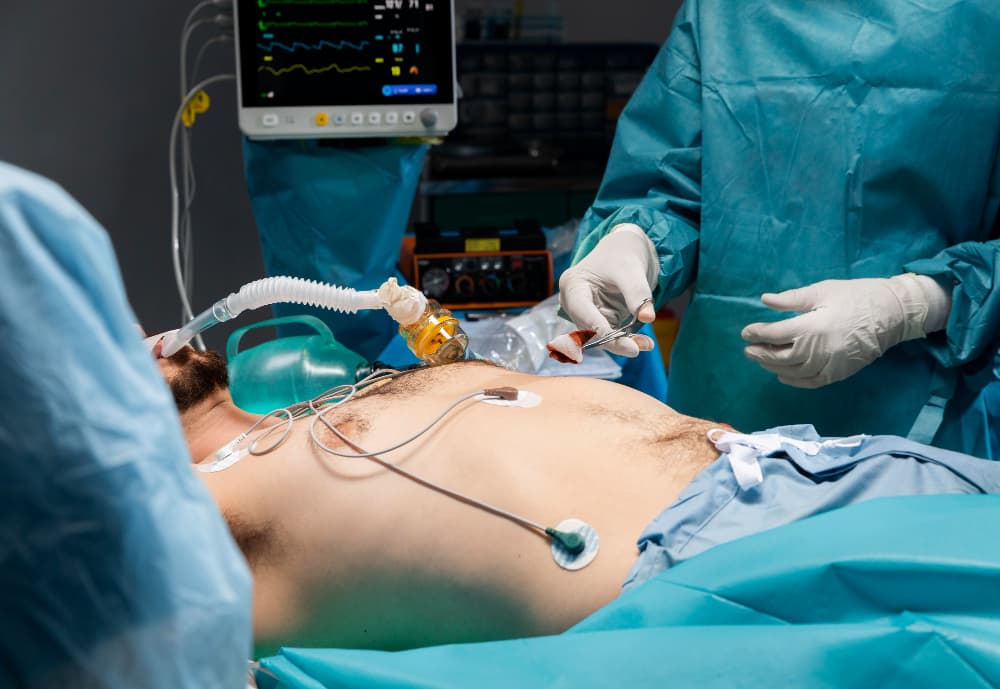
- Carotid endarterectomy (CEA) is a surgical procedure in which the carotid artery is opened through a neck incision and the atherosclerotic plaque is removed from inside the vessel, restoring normal blood flow. Performed under general or local anaesthesia, it has the most extensive evidence base of any carotid intervention. In symptomatic patients with stenosis of 70 percent or more, CEA reduces the five-year stroke risk by approximately 50 percent compared with medication alone — with the greatest benefit when performed within two weeks of the TIA or stroke.
- Carotid artery stenting is a catheter-based alternative that avoids open surgery. A thin tube is passed through an artery in the groin or wrist and guided to the narrowed carotid artery, where a small mesh cylinder — the stent — is expanded inside the vessel to hold it open. It is preferred for patients not suitable for surgery due to medical conditions or anatomy, and is increasingly used in younger patients and high-volume endovascular centres. The choice between surgery and stenting is made individually by the treating team.
Life Expectancy With Blocked Carotid Artery
Carotid artery disease responds well to treatment, and the long-term outlook is substantially better for patients who receive timely diagnosis and management than for those who are not treated. In patients who undergo carotid intervention after a TIA, combined with intensive medical therapy, the risk of subsequent stroke is dramatically reduced. The landmark clinical trials (NASCET and ECST) demonstrated that carotid endarterectomy in symptomatic patients with high-grade stenosis reduces the five-year stroke risk by approximately half compared with medication alone. Asymptomatic patients with significant stenosis who receive modern medical therapy also have a favourable outlook, with many remaining free of stroke events indefinitely.
How long a patient lives with a blocked carotid artery depends less on the stenosis itself and more on the broader state of their cardiovascular health. Carotid atherosclerosis reflects disease throughout the vascular system — the same process is simultaneously affecting the arteries of the heart and legs. Patients who actively manage their blood pressure, cholesterol, blood sugar, and lifestyle risk factors, and who remain consistent with their medication over the long term, achieve meaningfully better outcomes. A diagnosis of carotid stenosis — whether it follows a TIA or is identified before symptoms have appeared — is best understood as an opportunity to intervene at the moment when prevention is most effective.
Carotid Artery Stenosis Diagnosis and Treatment at Medical Park
Medical Park Hospitals in Turkey offer comprehensive carotid artery disease care through a specialist team of neurologists, interventional radiologists, and cardiovascular surgeons working within a single integrated pathway. At the core of this infrastructure is a fully integrated
Both carotid endarterectomy and carotid artery stenting are performed at Medical Park, with the choice between the two approaches made through multidisciplinary review tailored to each patient's anatomy and overall health. Patients who have experienced a TIA or stroke and are found to have carotid stenosis are managed along an urgent pathway designed to deliver intervention within the critical two-week window where it is most effective.
International patients who have received a carotid stenosis diagnosis at another centre and want an independent second opinion — on whether intervention is needed, which approach suits their anatomy, or how their medical management should be structured — can arrange a full clinical review through Medical Park's international patient services team, with neurology and cardiovascular follow-up, post-procedure monitoring, and long-term secondary prevention all available within the same hospital system at costs substantially lower than comparable private care in Western Europe or North America.






 Makaleye Dön
 E-Result
 WhatsApp