


 TR
 EN
 RU
 AR
 FR


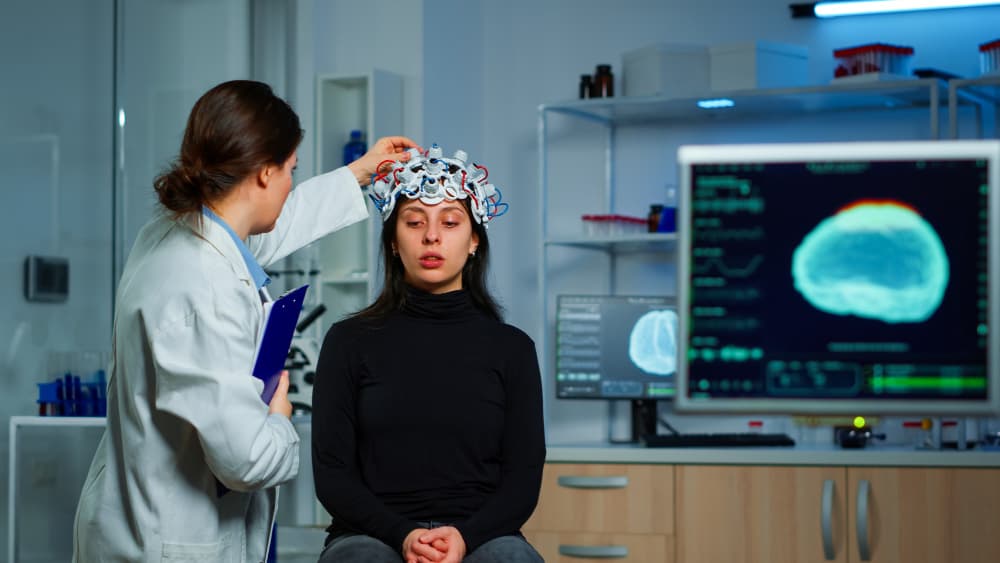

Stroke is largely preventable — yet it remains one of the leading causes of death and long-term disability worldwide, primarily because the risk factors that drive it go undetected and untreated for years before an event occurs. Stroke risk screening changes that equation by identifying those at elevated risk before a stroke happens, at a stage when the right intervention can make a genuine difference.
This guide explains who needs stroke risk screening, what the process involves, which tests are used, and what happens when elevated risk is found.
What Is Stroke Risk Screening and Who Should Have It?
Stroke risk screening is a proactive health assessment that looks for the warning signs of future stroke before any neurological event occurs. It uses a combination of physical examination, blood tests, imaging, and heart monitoring to build a complete picture of an individual's cerebrovascular risk — identifying problems that are silently present and potentially dangerous long before they produce symptoms.
Think of it as the cardiovascular equivalent of cancer screening: its value lies entirely in acting early, when findings are still treatable and stroke is still preventable.
The people who benefit most from structured stroke risk screening include:
- Anyone with high blood pressure, atrial fibrillation, type 2 diabetes, or high cholesterol — particularly where these are not well controlled
- Adults who have had a transient ischaemic attack — a temporary episode of stroke-like symptoms — and want a thorough assessment of their ongoing risk
- People with a parent, sibling, or other close relative who had a stroke, particularly at a relatively young age
- Adults over 45 with several cardiovascular disease risk factors who have never had a formal risk assessment
- Younger adults with a strong family history of stroke or known genetic conditions affecting the blood vessels or clotting system
- Patients with obstructive sleep apnoea, structural heart disease, or peripheral arterial disease — conditions that run alongside elevated stroke risk
Understanding Stroke Risk Factors
Some stroke risk factors cannot be changed — age, biological sex, and genetic makeup among them. These establish an individual's baseline risk and determine how seriously modifiable factors need to be taken. The good news is that the majority of stroke risk is driven by factors that can be identified and addressed.
The most important modifiable stroke risk factors are:
- High blood pressure — responsible for over half of all strokes globally, and the single most powerful modifiable risk factor. It is frequently present for years without causing symptoms, which is why measuring it regularly matters so much
- Atrial fibrillation — an irregular heart rhythm that causes blood to pool in the heart and form clots, which can travel to the brain. Many people with atrial fibrillation are unaware they have it because episodes can be brief and symptom-free
- Diabetes — accelerates damage to blood vessel walls and significantly elevates stroke risk, particularly when blood sugar control is poor
- High cholesterol — drives the build-up of fatty plaques in the arteries supplying the brain, narrowing them over years before causing a problem
- Smoking — doubles stroke risk and compounds the effect of every other risk factor present
- Obesity and physical inactivity — produce high blood pressure, insulin resistance, and abnormal cholesterol simultaneously
- Sleep disorders like obstructive sleep apnoea — causes repeated overnight oxygen dips and sustained blood pressure elevation that most sufferers are completely unaware of
- Migraine with aura — an independent stroke risk factor, particularly in younger women, and one whose risk is significantly amplified by smoking or the combined oral contraceptive pill
Elevated inflammatory markers in the blood — including homocysteine and high-sensitivity CRP — can also signal increased vascular risk even when conventional tests appear normal, which is why a comprehensive screening blood panel extends beyond a standard cholesterol check.
The Role of Family History and Genetics
Having a close relative who has had a stroke increases personal stroke risk by approximately 30 percent — and the risk is higher when the relative was relatively young at the time of their stroke, or when multiple family members are affected. This elevated risk reflects both shared lifestyle factors and inherited genetic variants that influence blood pressure, clotting tendency, cholesterol metabolism, and arterial wall health.
For most people, family history is a signal to take modifiable risk factors more seriously and to undergo screening earlier and more thoroughly than they might otherwise. For a smaller group — those with very strong family histories, strokes occurring in young relatives, or clinical features suggesting an inherited condition — genetic testing for specific stroke-related disorders may be an important part of the assessment. This area is explored in depth in a dedicated forthcoming guide on genetic stroke risk testing. Within the context of screening, the key point is straightforward: a significant family history should always prompt investigation, not reassurance.

What Stroke Risk Screening Involves
A comprehensive stroke risk screening assessment brings together several different types of investigation, each examining a different aspect of cerebrovascular risk. None of the tests is painful or invasive, and most can be completed within a single clinical visit.
Vascular Imaging
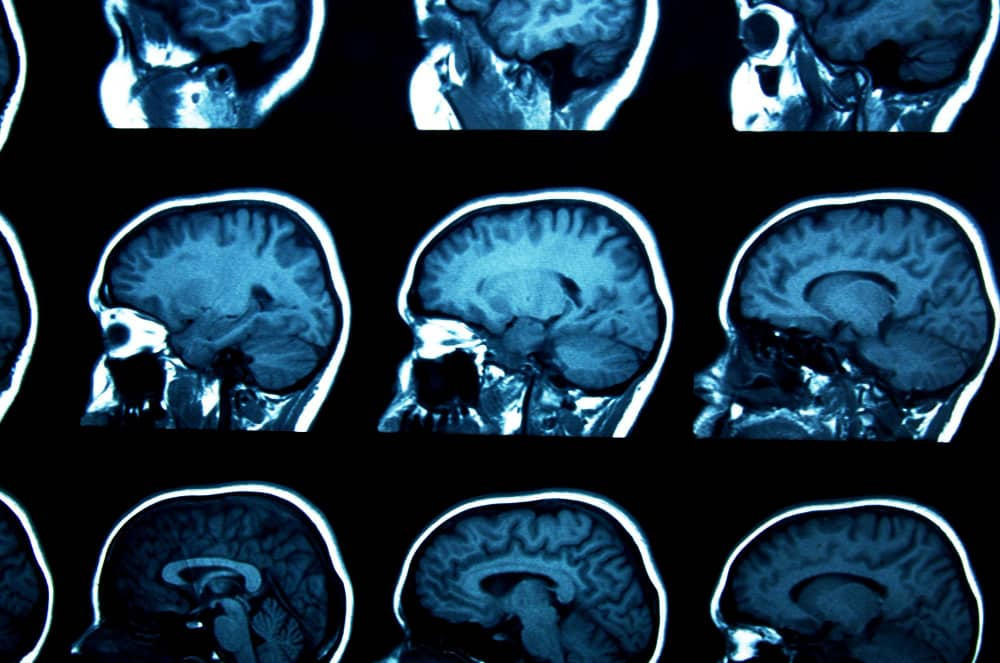
Carotid ultrasound is a painless scan of the arteries in the neck that supply the brain. It detects the build-up of fatty plaques in the carotid arteries — one of the most common pathways through which blockages reach the brain — and measures the thickness of the arterial wall as an early indicator of atherosclerosis. Where more detailed imaging is needed, angiography (MR & CT) provides a comprehensive map of the blood vessels supplying the brain, identifying narrowing, structural abnormalities, or areas of concern that ultrasound alone cannot fully characterise. Brain MRI can also identify silent cerebral infarcts — tiny areas of past damage in the brain that have caused no noticeable symptoms but indicate that small vessel disease is already underway.
Heart Monitoring and Cardiac Assessment
Because a significant proportion of strokes originate from the heart — through clots formed in an irregularly beating chamber or structural abnormality — cardiac investigation is central to any stroke risk assessment. A standard ECG records the heart's electrical activity at rest and can detect established atrial fibrillation, abnormal heart rhythms, and other cardiac changes. Holter monitoring extends this recording over 24 to 72 hours, capturing paroxysmal atrial fibrillation that a brief resting ECG would miss entirely. In patients where there is a higher level of concern, a small implantable loop recorder can monitor the heart continuously for months, making it the most sensitive available method for detecting intermittent arrhythmia. Echocardiography — an ultrasound of the heart itself — assesses the heart's structure and function, identifies valve problems, detects blood clots within the heart chambers, and can identify a patent foramen ovale — a small hole between the heart's upper chambers that is an important and often unrecognised stroke risk factor in younger adults.
Blood Tests
A thorough stroke risk blood panel goes considerably further than a standard cholesterol check. Key components include:
- Lipid fractionation including lipoprotein(a) — a genetically determined cholesterol particle that standard panels often omit but that significantly elevates vascular risk
- HbA1c and fasting glucose — to identify prediabetes and undiagnosed type 2 diabetes
- High-sensitivity CRP and homocysteine — markers of vascular inflammation and arterial injury
- Full blood count and coagulation screen — assessing blood cell counts and basic clotting function
- Thrombophilia screen — testing for inherited clotting disorders including factor V Leiden, antiphospholipid antibodies, and protein C and S deficiency, particularly relevant in younger patients and those with a family or personal history of clotting problems
Genetic Testing
For patients with early-onset stroke, a strong family history, or clinical features suggesting an inherited condition, genetic evaluation is an important addition to the screening assessment. Identifying inherited conditions such as CADASIL, Fabry disease, or familial thrombophilia has direct implications for treatment choices, long-term monitoring, and the assessment of family members who may carry the same risk.
What Happens After Stroke Risk Screening
The findings from a stroke risk assessment are brought together by the clinical team to produce a personalised picture of risk and a clear prevention plan. This is not a process of simply handing over a set of results — it is a clinical conversation about what the findings mean, what needs to be done about them, and how urgently.
For some patients, findings will prompt straightforward changes: starting or adjusting blood pressure medication, initiating anticoagulation for newly detected atrial fibrillation, beginning statin therapy, or treating sleep apnoea. For others, the findings may confirm that risk is lower than feared — itself a valuable outcome. For patients with significant carotid stenosis, referral for a procedure to open or bypass the narrowed artery may be recommended before a stroke occurs.
Lifestyle changes underpin every prevention plan regardless of what else is recommended:
- Stopping smoking — the single most impactful lifestyle change for vascular risk at any age
- Achieving and maintaining a healthy body weight
- Regular aerobic exercise — thirty minutes on most days produces measurable reductions in blood pressure, insulin resistance, and inflammatory markers
- Dietary quality — reducing salt, saturated fat, and ultra-processed food while increasing vegetables, whole grains, and oily fish
- Reducing alcohol intake and addressing substance use
- Treating sleep apnoea where diagnosed
Follow-up after screening is tailored to the level of risk identified. Higher-risk patients are reviewed more frequently and may need repeat imaging or monitoring at defined intervals. The goal is not a one-time assessment but an ongoing relationship between patient and clinical team that keeps prevention active over time.
Stroke Risk Screening at Medical Park Hospitals
Medical Park Hospitals in Turkey provide comprehensive stroke risk screening through a dedicated Stroke Center, bringing together specialist teams in neurology, cardiology, interventional radiology, and medical genetics within a single integrated programme. The full investigative pathway — carotid ultrasound, brain MRI, cardiac monitoring including Holter and echocardiography, comprehensive blood biomarker panels, thrombophilia screening, and genetic evaluation where indicated — is available without the delays and fragmentation that patients frequently encounter when trying to access multiple specialist appointments across different services.
For international patients, stroke risk screening at Medical Park can be incorporated into a personalised comprehensive check-up plan, structured around the patient's schedule and travel arrangements and completed within a single visit to Istanbul. This is particularly valuable for individuals with a family stroke history, known risk factors, or a prior TIA who want a thorough cerebrovascular assessment in a high-standard clinical environment — at costs substantially below those of equivalent private centres in Western Europe or North America. Where elevated risk is identified, Medical Park's multidisciplinary team delivers a clear, personalised prevention plan with follow-up pathways that ensure screening translates into long-term protection rather than a folder of unanswered results.





 Makaleye Dön
 E-Result
 WhatsApp