


 TR
 EN
 RU
 AR
 FR



A transient ischemic attack (TIA) — commonly called a mini stroke — produces the same sudden neurological symptoms as a full stroke but resolves on its own within minutes, leaving no permanent brain damage. The fact that symptoms disappear is not reassurance; it is a warning that a full stroke may be imminent, and rapid medical evaluation is the only appropriate response.
What Is a Transient Ischemic Attack?
A TIA occurs when blood supply to part of the brain is briefly interrupted by a clot that dissolves before causing permanent tissue death. The symptoms are neurologically identical to those of a full ischemic stroke — sudden facial drooping, arm weakness, slurred speech, vision disturbance, or loss of balance — but they resolve, typically within minutes and almost always within 24 hours.
That resolution does not mean the danger has passed. The days immediately following a TIA carry a significantly elevated risk of full stroke — some studies estimate this risk at up to 10 percent within the first 48 hours without treatment. Approximately one in three people who experience a TIA and receive no prompt intervention will go on to have a full stroke, often within weeks. The entire purpose of emergency TIA evaluation is to identify the underlying cause before that stroke occurs.
TIA is exclusively an ischemic phenomenon — it arises from the same clot-based mechanisms as ischemic stroke, not from bleeding. Both are cerebrovascular accidents (CVAs) in the broadest clinical sense. What separates a TIA from a completed stroke is outcome: in a TIA, the blockage clears before the affected brain tissue dies; in a full stroke, occlusion persists long enough to produce irreversible infarction. The 24-hour symptom threshold once used to define TIA has been largely replaced in clinical practice by the tissue-based definition — a TIA leaves no evidence of infarction on MRI brain imaging, whereas a stroke does.
Signs and Symptoms of a Mini Stroke
The signs of a mini stroke are neurologically identical to those of a full ischemic stroke. Because symptoms resolve quickly, the window to observe them is often narrow — and patients or bystanders may not immediately recognise what they are seeing. The most important TIA symptoms to know are:
- Sudden facial weakness or drooping — typically affecting one side of the face, most visible when the person is asked to smile; one side may sag or fail to move
- Arm weakness or numbness — sudden loss of strength or sensation in one arm, or inability to raise both arms to the same height
- Speech disturbance — slurred speech, sudden difficulty finding words, inability to speak, or difficulty understanding what is being said
- Visual disturbance — blurred or double vision, sudden loss of vision in one eye, or loss of vision in the same half of the visual field in both eyes
- Balance and coordination problems — sudden unsteadiness, loss of balance, or inability to coordinate movement, often accompanied by dizziness
- Sudden severe headache — an intense headache with no obvious cause, particularly when accompanied by any of the above signs, warrants urgent assessment
Mini stroke symptoms in women are the same as those listed above. A persistent and clinically important problem is that TIA symptoms in women are frequently dismissed or attributed to anxiety, migraine, or stress — by both patients and clinicians — leading to dangerous delays in diagnosis. Any sudden neurological symptom should be evaluated urgently regardless of age or sex.

Who Is at Risk of a TIA?
A TIA reflects an underlying vascular or cardiac condition that has produced the clot or embolus responsible for the temporary blockage. Identifying that underlying cause is the entire purpose of the post-TIA workup. The most common risk factors include:
- High blood pressure (hypertension) — the single most important modifiable risk factor for both TIA and stroke, causing progressive arterial wall damage and dramatically increasing clot formation risk
- Atrial fibrillation — an irregular heart rhythm that promotes clot formation inside the heart; these clots can travel to the brain, and AF is frequently first diagnosed during a TIA investigation
- Carotid artery stenosis — narrowing of the neck arteries due to atherosclerotic plaque, which can shed small clots or debris that travel to the brain
- Diabetes — accelerating atherosclerosis and endothelial dysfunction, significantly increasing lifetime TIA and stroke risk
- High cholesterol — contributing to the arterial plaque that can rupture or embolise
- Smoking — an independent risk factor for premature vascular disease, arterial inflammation, and clot formation
- Previous TIA or stroke — one of the strongest predictors of future stroke, making secondary prevention after a first TIA an immediate clinical priority
- Patent foramen ovale — a small opening between the heart's upper chambers that fails to close after birth, particularly relevant in younger patients with otherwise unexplained TIA
What Happens After a TIA: Diagnosis and Assessment
After a TIA, the priority is to identify the cause and estimate the short-term stroke risk as quickly as possible. Most stroke guidelines recommend specialist assessment within 24 hours of symptom onset — delays in evaluation are directly associated with preventable strokes occurring in the intervening period. The assessment typically includes the following investigations.
Brain and Vascular Imaging
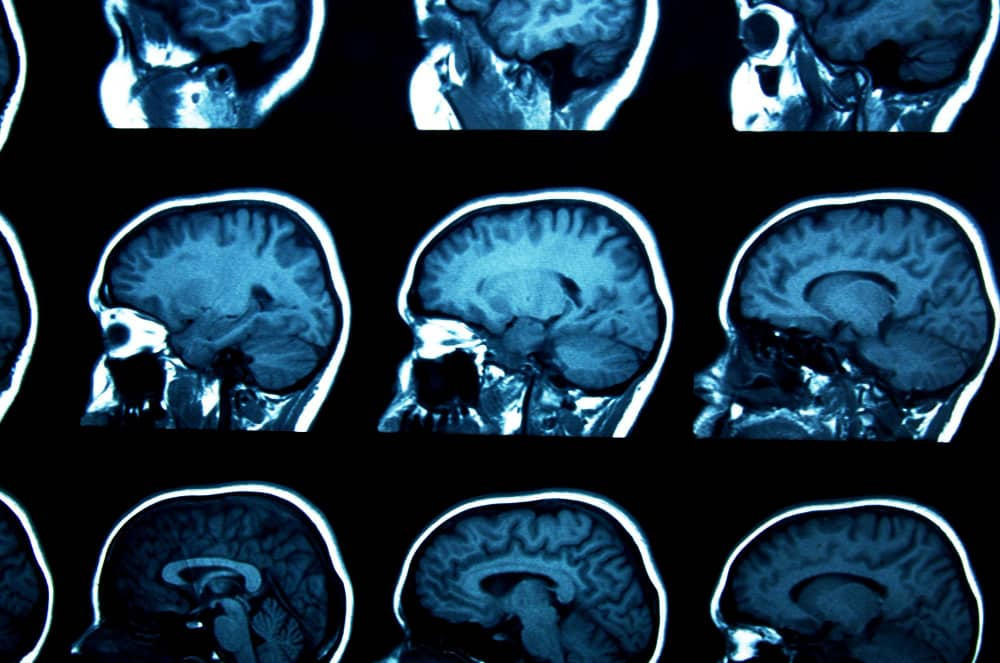
Brain MRI with diffusion-weighted imaging determines whether any tissue has been infarcted and characterises the ischemia pattern, which provides important clues about the underlying mechanism. CT or MRI angiography of the brain and neck vessels assesses for carotid stenosis, intracranial arterial narrowing, and other structural vascular abnormalities. In patients where a carotid source is suspected, carotid ultrasound provides rapid bedside assessment of plaque burden and stenosis severity.
Cardiac Monitoring and Blood Tests
Cardiac causes — particularly atrial fibrillation — are identified through a combination of 12-lead ECG, prolonged Holter monitoring over 24 to 72 hours, and echocardiography to assess for intracardiac thrombus, patent foramen ovale, or valvular disease. Blood tests cover full blood count, clotting profile, fasting glucose, HbA1c, lipid profile, and inflammatory markers; thrombophilia screening is performed in younger patients without an obvious cause. The ABCD2 score — a validated clinical tool using age, blood pressure, clinical features, symptom duration, and diabetes status — is widely used in emergency settings to stratify early stroke risk after TIA and guide the urgency of further investigation.
Transient Ischemic Attack Treatments and Secondary Prevention
The goal of TIA treatment is to prevent the stroke that is about to happen. The specific interventions depend entirely on the identified cause, which is why the diagnostic workup above is inseparable from the treatment phase. The most important treatment decisions typically involve:
- Antiplatelet therapy — most TIA patients without atrial fibrillation are started on antiplatelet medication immediately after diagnosis; dual antiplatelet therapy in the first 21 days is associated with significant reduction in early recurrent stroke risk
- Anticoagulation — patients whose TIA is attributed to atrial fibrillation or another cardioembolic source are started on oral anticoagulants rather than antiplatelets, as these are more effective at preventing cardiac embolism
- Carotid endarterectomy or stenting — patients with significant carotid stenosis on the relevant side benefit from surgical or endovascular revascularisation, ideally within two weeks of the TIA when risk reduction is greatest
- Blood pressure management — antihypertensive therapy is initiated or intensified in virtually all TIA patients, as blood pressure control is among the most effective secondary prevention interventions available
- Statin therapy — prescribed to virtually all ischemic TIA patients regardless of baseline cholesterol, given the evidence for plaque stabilisation and vascular risk reduction beyond lipid lowering
- Lifestyle modification — smoking cessation, dietary change, increased physical activity, and alcohol reduction all contribute meaningfully to long-term stroke risk reduction
Life Expectancy and Long-Term Outlook After a Mini Stroke
A TIA itself causes no permanent brain injury, and patients who receive prompt treatment and consistent secondary prevention have substantially better long-term outcomes than those who do not. Life expectancy after a mini stroke is primarily shaped by the underlying vascular risk factor burden and how effectively it is managed over time — not by the TIA event itself.
In patients managed with modern secondary prevention — antiplatelet or anticoagulant therapy, blood pressure treatment, statin therapy, and risk factor modification — the 90-day stroke risk falls to around 2 to 3 percent, compared to historical figures of 10 to 15 percent in untreated populations. Long-term prognosis is good for patients who remain adherent to their prevention regimen and maintain regular neurological and cardiovascular follow-up. The TIA, in this sense, is best understood not as a near-miss to be relieved about but as a clinical opportunity — a warning that arrived without permanent consequence and that, if acted on decisively, can prevent the stroke that would otherwise follow.
TIA Assessment and Stroke Prevention at Medical Park
Medical Park Hospitals operate dedicated stroke centres across Turkey with the full capacity for urgent TIA assessment and secondary stroke prevention workup, available seven days a week. Brain MRI, CT and MRI angiography, cardiac monitoring, and echocardiography are integrated into a rapid-access pathway designed to complete the diagnostic evaluation within 24 hours of arrival — the window in which early assessment most effectively prevents subsequent stroke. The Neurology team at Medical Park provides individualised secondary prevention planning based on the identified mechanism, covering anticoagulation management, carotid intervention assessment, and long-term risk factor optimisation within the same care system.
International patients who have experienced a TIA while travelling or living in Turkey can access urgent neurological assessment and the full diagnostic workup at Medical Park's Stroke Center without referral or delay. Patients who have already received a TIA diagnosis elsewhere and are uncertain about their secondary prevention plan, their need for carotid intervention, or the completeness of the investigation they received, can arrange a second opinion review with Medical Park's multidisciplinary cerebrovascular team, including reassessment of all imaging and monitoring data. Cardiology and Neurology follow-up are available within the same integrated hospital system, at costs substantially lower than equivalent private care in Western Europe or North America.





 Makaleye Dön
 E-Result
 WhatsApp