


 TR
 EN
 RU
 AR
 FR




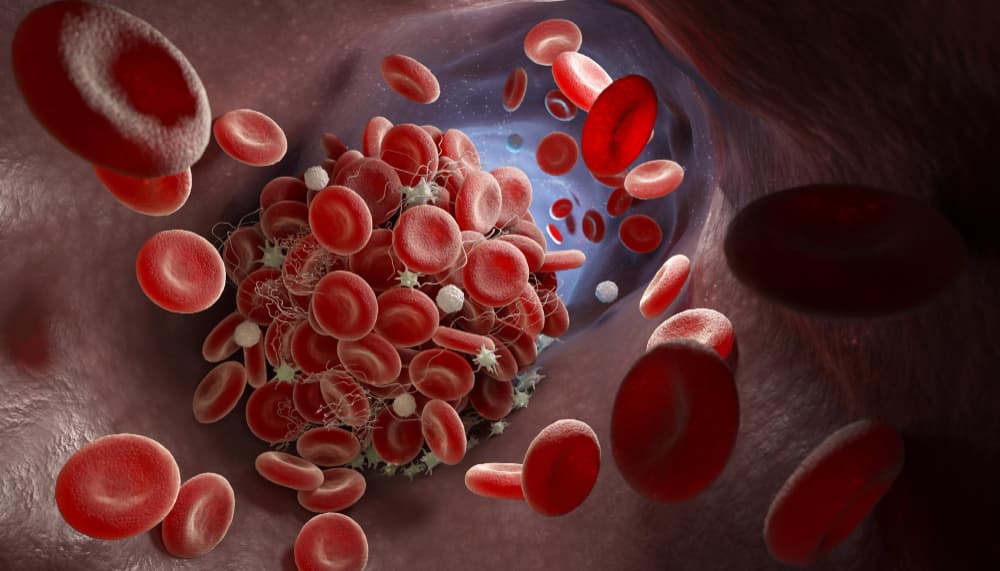
Thrombophilia is a condition in which the blood has an increased tendency to clot — a state sometimes called hypercoagulability — that raises the risk of developing potentially serious blood clots even in the absence of the triggers that normally initiate clotting, such as injury or surgery. It can be inherited, present from birth in the genes, or acquired over the course of life through other medical conditions. For many people, thrombophilia is only discovered after an unexplained or unusually severe blood clot has occurred, making understanding the condition and knowing when to be tested genuinely important.
What Is Thrombophilia?
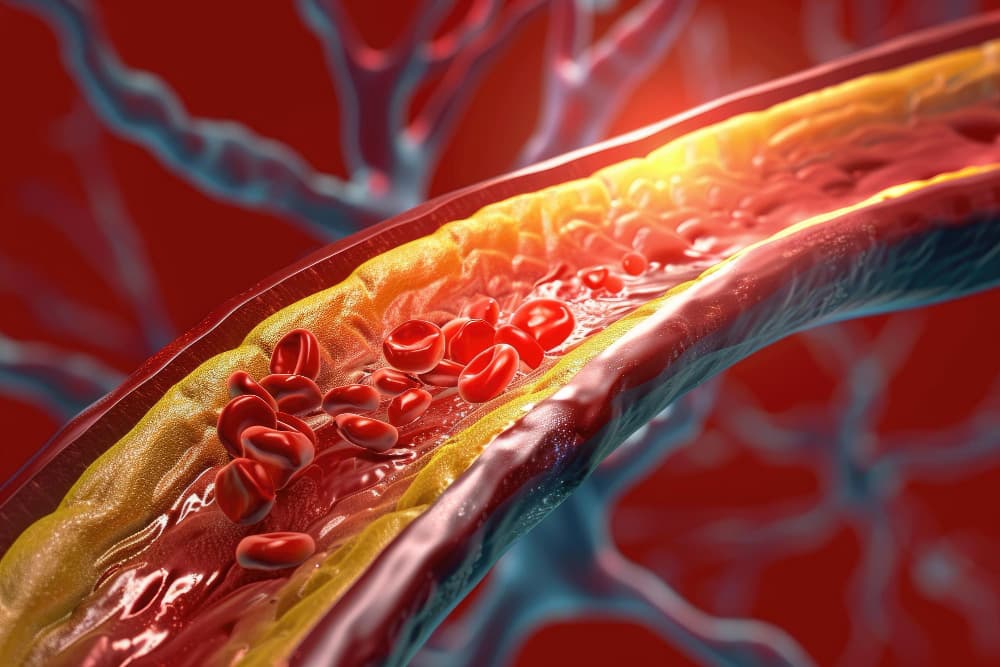
Normal blood clotting is a finely balanced process. When a blood vessel is injured, a cascade of clotting factors — proteins that circulate in the blood in their inactive form — activates in sequence, eventually producing a firm clot that seals the injury. Equally important is the system that prevents clotting from going too far: natural anticoagulant proteins including antithrombin, protein C, and protein S regulate the cascade and break it down once the injury is repaired. In thrombophilia, this balance is disrupted — either because the pro-clotting side is abnormally strong, the natural anticoagulant side is deficient, or both. The result is a state of hypercoagulability in which clots form more readily, persist longer, or occur in locations and circumstances where they would not normally arise.
Thrombophilia is not a single condition but a group of disorders with the same net effect — increased clotting tendency — and different underlying mechanisms. Some forms are mild and carry only a modestly elevated risk; others are severe enough to cause recurrent, life-threatening clotting events from a young age. The clinical significance of any given thrombophilia depends on the specific defect involved, whether the person carries one copy of the abnormal gene or two, and the presence of additional risk factors such as pregnancy, surgery, or prolonged immobility.
Inherited and Acquired Thrombophilia
Thrombophilia is broadly divided into two categories — inherited and acquired — based on whether the underlying cause is genetic or develops during a person's lifetime.
Inherited Thrombophilia
Inherited thrombophilia, also called hereditary or genetic thrombophilia, refers to clotting disorders caused by genetic variants present from birth that can be passed on to children. The most common and well-studied inherited thrombophilias are:
- Factor V Leiden thrombophilia: The most common inherited thrombophilia in populations of European descent, caused by a mutation in the gene for clotting factor V that makes it resistant to inactivation by protein C; carriers of one copy have a three- to five-fold increased risk of deep vein thrombosis, while those who inherit two copies face a substantially higher risk
- Prothrombin gene mutation (prothrombin G20210A): A variant in the gene for prothrombin — a key clotting factor also known as factor II — that leads to elevated prothrombin levels in the blood and an approximately three-fold increase in venous thromboembolism risk; it is the second most common inherited thrombophilia in European populations
- Protein C deficiency: A reduction in the activity of protein C, one of the natural anticoagulant proteins that regulates the clotting cascade; deficiency is associated with a significantly elevated risk of venous thromboembolism, particularly in younger adults
- Protein S deficiency: Similar in mechanism and clinical impact to protein C deficiency — protein S acts as a cofactor for protein C, and its deficiency impairs the natural anticoagulant pathway in a comparable way
- Antithrombin deficiency: The least common of the major inherited thrombophilias but the most clinically severe — antithrombin is a primary inhibitor of multiple clotting factors, and even a modest reduction in its activity substantially increases clotting risk
Acquired Thrombophilia
Acquired thrombophilia refers to conditions that develop during a person's lifetime and increase clotting tendency without an underlying genetic cause. The most important is antiphospholipid syndrome (APS) — an autoimmune condition in which the immune system produces antibodies that disrupt the normal regulation of coagulation, causing both venous and arterial thrombosis, recurrent pregnancy loss, and stroke. Cancer, myeloproliferative disorders such as polycythaemia vera and essential thrombocythaemia, and nephrotic syndrome are other important acquired causes of hypercoagulability. Unlike inherited thrombophilia, acquired forms may resolve if the underlying condition is treated — the hypercoagulability of cancer-associated thrombosis, for example, often improves with effective cancer treatment, though anticoagulation is typically required throughout the period of active malignancy.

Thrombophilia and Stroke
While most people associate thrombophilia primarily with deep vein thrombosis and pulmonary embolism, thrombophilic disorders are also a recognised cause of ischemic stroke and transient ischemic attack — particularly in younger patients in whom the more common causes of arterial stroke, such as atherosclerosis or atrial fibrillation, have not yet developed. The proportion of strokes attributable to thrombophilia is higher under the age of 45, and unexplained TIA or stroke in a young adults (early-onset stroke) without conventional vascular risk factors should always prompt a thrombophilia workup as part of the investigation.
The mechanisms linking thrombophilia to stroke differ depending on the specific disorder. Antiphospholipid syndrome is the thrombophilia most clearly associated with arterial stroke — the antibodies it produces can promote clot formation directly on the arterial wall or on heart valves, generating emboli that travel to the brain. Inherited thrombophilias such as factor V Leiden and prothrombin mutation are more strongly linked to venous thrombosis than arterial events, but they contribute to stroke when combined with a patent foramen ovale — a small opening between the two upper chambers of the heart that allows venous clots to pass into the arterial circulation and reach the brain as a paradoxical embolism.
Cerebral venous thrombosis — clotting in the venous sinuses that drain blood from the brain — is another important cerebrovascular complication, presenting with headache, visual symptoms, or seizures rather than the sudden one-sided deficits of arterial stroke, and is particularly associated with factor V Leiden, prothrombin mutation, and oral contraceptive use.
Family History as a Risk Indicator for Venous Thromboembolism
A family history of thrombosis is one of the most important signals that an inherited thrombophilia may be present. When a first-degree relative — a parent, sibling, or child — has had a venous thromboembolism, particularly at a young age, after only a minor trigger, or in an unusual location such as the mesenteric or cerebral veins, the probability that a shared genetic abnormality is responsible rises substantially. A family history of recurrent miscarriage, especially in the second trimester, is also an important indicator, as certain thrombophilias are associated with placental clotting events that can cause pregnancy loss.
Family history should not be viewed in isolation, however. The clinical relevance of a positive family history depends on the specific thrombophilia identified and the individual circumstances of the person being evaluated. Some inherited thrombophilias carry only a modest increase in absolute risk — too small to justify long-term anticoagulation in the absence of a clotting event — while others, particularly antithrombin deficiency or homozygous factor V Leiden, carry sufficient risk to influence prophylactic management decisions even in people who have not yet experienced a clot. Clinicians therefore use family history as a risk indicator to decide not just whether to test, but which tests are most likely to be informative, and how to counsel an asymptomatic carrier about the real-world magnitude of their individual risk.
Thrombophilia in Pregnancy
Pregnancy is a state of physiological hypercoagulability — the blood's clotting tendency increases naturally during pregnancy to prepare for the blood loss of delivery. This makes pregnancy a period of substantially elevated thrombosis risk even in women without thrombophilia, and in women who carry a thrombophilic disorder, that risk is multiplied further. Deep vein thrombosis and pulmonary embolism are among the leading causes of maternal death in high-income countries, and thrombophilia is a contributing factor in a significant proportion of serious cases.
The management of thrombophilia in pregnancy depends on the specific thrombophilia identified, whether the woman has had a previous thrombotic event, and the stage of pregnancy and postpartum period — when the risk of clotting remains elevated for up to six weeks after delivery. Women with high-risk thrombophilias or a prior history of venous thromboembolism typically require prophylactic anticoagulation throughout pregnancy. Low molecular weight heparin is the anticoagulant of choice because it does not cross the placenta and is safe for the developing baby. Thrombophilia in pregnancy also has implications beyond maternal thrombosis: certain disorders — particularly antiphospholipid syndrome, but also some inherited thrombophilias — are associated with placental insufficiency, recurrent miscarriage, pre-eclampsia, and intrauterine growth restriction. Recognising these conditions before or early in pregnancy allows preventive treatment to begin at the point where it is most effective.
Thrombophilia Testing: The Thrombophilia Panel and Workup
Thrombophilia testing — sometimes called a thrombophilia panel or thrombophilia workup — is not a single test but a structured series of blood investigations that evaluate different components of the coagulation system. A standard thrombophilia panel typically includes:
- Genetic testing for factor V Leiden mutation and prothrombin gene mutation
- Functional assays measuring the activity levels of protein C, protein S, and antithrombin
- Testing for antiphospholipid antibodies — including lupus anticoagulant, anticardiolipin antibodies, and anti-beta-2 glycoprotein I antibodies
- A full blood count to assess for myeloproliferative disorders
- In selected patients, additional testing for rarer thrombophilias such as elevated factor VIII levels or dysfibrinogenaemia
Timing matters significantly in thrombophilia testing. Several natural anticoagulant proteins — including protein C, protein S, and antithrombin — are consumed or reduced during an active clotting event and are artificially lowered by anticoagulant therapy, meaning that testing immediately after a thrombosis or during treatment can produce falsely abnormal results. For this reason, most thrombophilia testing is deferred until at least three months after an acute event and, where clinically safe, after anticoagulation is completed. Genetic testing for factor V Leiden and prothrombin mutation can be performed at any time, as these tests are unaffected by acute illness or medication.
Thrombophilia Life Expectancy and Long-Term Outlook
The long-term outlook for people with thrombophilia depends heavily on the specific disorder, the severity of their clotting history, and the consistency of their ongoing management. For people with milder inherited thrombophilias — heterozygous factor V Leiden or prothrombin gene mutation — the lifetime risk of a clinically significant clotting event is elevated but not inevitable. Large epidemiological studies suggest that more than half of carriers of these mutations never experience a venous thromboembolism, particularly when additional risk factors are avoided or managed. With appropriate prophylactic anticoagulation in high-risk situations — surgery, pregnancy, prolonged immobility, and long-haul travel — and prompt, effective treatment if a clotting event does occur, most people with these thrombophilias can expect a normal or near-normal life expectancy.
For people with more severe thrombophilias — antithrombin deficiency, homozygous factor V Leiden, or antiphospholipid syndrome complicated by prior arterial events — the risk profile is considerably higher, and long-term anticoagulation is more consistently indicated. In these patients, life expectancy and quality of life are strongly shaped by the quality of specialist follow-up, adherence to anticoagulation, and active management of additional cardiovascular risk factors. Unrecognised or undertreated thrombophilia — particularly in the context of high-risk clinical situations such as pregnancy, major surgery, or cancer treatment — is where the most serious and preventable complications occur, which is why systematic investigation following a first unexplained clotting event is so important.
Stroke Risk Assessment and Thrombophilia Management at Medical Park
Medical Park Hospitals provide comprehensive evaluation and management for patients with suspected or diagnosed thrombophilia through coordinated care involving specialists in hematology, neurology, cardiology, and other relevant medical fields. In close coordination with the dedicated Stroke Center units, patients at Medical Park Hospitals can access a structured approach that includes stroke risk assessment, preventive evaluation, diagnosis, and long-term management when clotting disorders may increase cerebrovascular risk.
A personalized check-up combined with a thrombophilia assessment may be recommended for individuals with unexplained or recurrent blood clots, a family history of thrombosis, early-onset stroke, or other risk factors suggesting an increased tendency for abnormal clot formation. Based on the patient's medical history, examination findings, and laboratory results, specialists determine the appropriate investigations and create an individualized follow-up plan.
For patients with confirmed thrombophilia, treatment decisions are tailored according to the specific condition, previous clotting events, and overall risk profile. Medical Park's multidisciplinary approach helps patients receive appropriate preventive strategies, medication planning, and ongoing monitoring to reduce the risk of future thrombotic complications.
International patients seeking evaluation for unexplained clotting events, stroke risk assessment, or a comprehensive thrombophilia workup can arrange specialist consultation and personalized care planning through Medical Park's international patient services team.






 Makaleye Dön
 E-Result
 WhatsApp