


 TR
 EN
 RU
 AR
 FR




In stroke care, time is not a courtesy — it is the treatment. The faster a blocked artery in the brain is reopened, the more brain tissue survives and the better the chances of a meaningful recovery. Understanding what the golden hour means, what happens during it, and what to do if a stroke strikes is knowledge that can make the difference between full recovery and permanent disability.
This guide explains what the golden hour in stroke means, why the first 60 minutes after symptom onset are so critical, and what the optimal response pathway looks like from the moment symptoms begin to the moment treatment is delivered, covering how to recognise a stroke using the BE-FAST tool and what happens to the brain during every minute of untreated occlusion.
What Is the Golden Hour in Stroke?
The golden hour in stroke management refers to the first 60 minutes after stroke symptoms begin — the critical window during which emergency diagnosis and treatment have the greatest potential to limit brain damage and preserve neurological function. The concept borrows its name from trauma medicine, where the first hour after serious injury is recognised as the period in which rapid intervention is most lifesaving. In stroke, the principle is identical: the earlier treatment is delivered, the more brain tissue is rescued from permanent damage.
The term is a target rather than a strict cutoff. Stroke treatment remains effective well beyond 60 minutes — intravenous thrombolysis can be given up to 4.5 hours after symptom onset, and mechanical thrombectomy can be performed up to 24 hours after onset in appropriately selected patients. But the relationship between time and outcome is continuous and unforgiving: every minute without treatment means more brain cells lost, and the gains from treating a patient at 30 minutes are dramatically greater than at three hours. The golden hour in stroke care is the period in which outcomes are most decisively shaped.
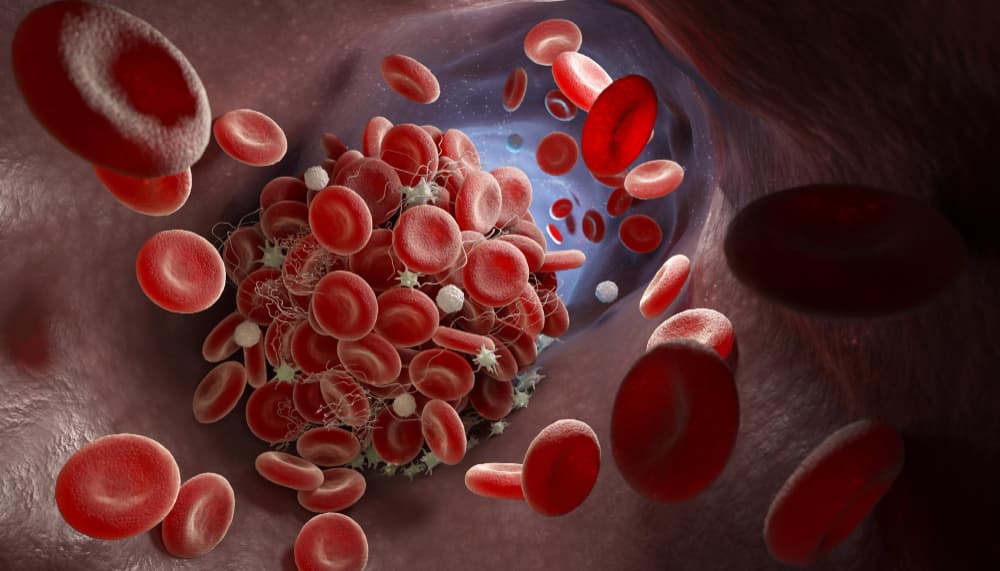
It is also important to understand that the golden hour applies specifically to ischemic stroke — stroke caused by a blood clot blocking a brain artery, which accounts for around 87 percent of all strokes. The same urgency applies to haemorrhagic stroke, where the cause is bleeding in the brain, but the treatment pathway differs entirely. In both cases, reaching a stroke-ready hospital as quickly as possible is the only correct first action.

Why Every Minute Without Treatment Costs Brain Tissue
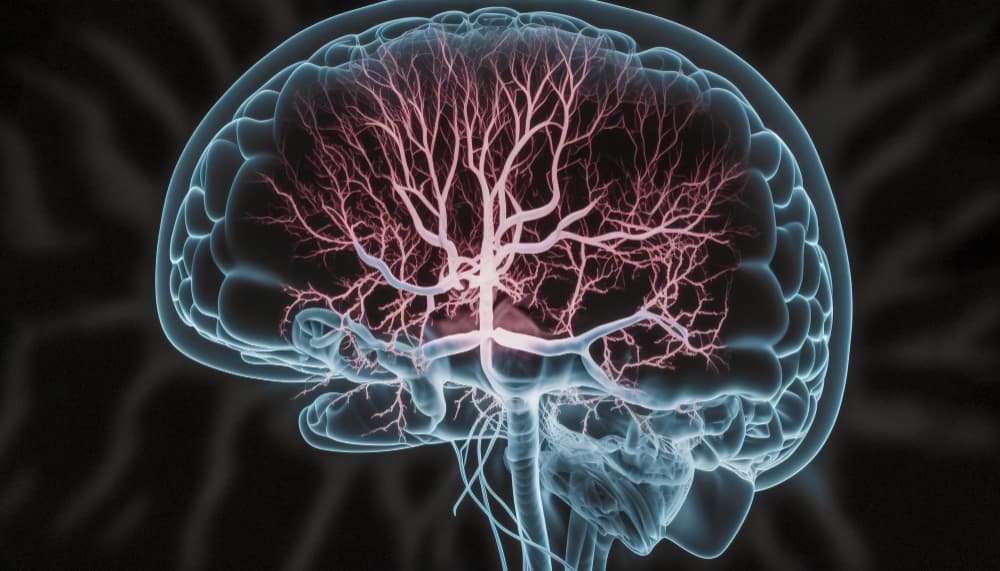
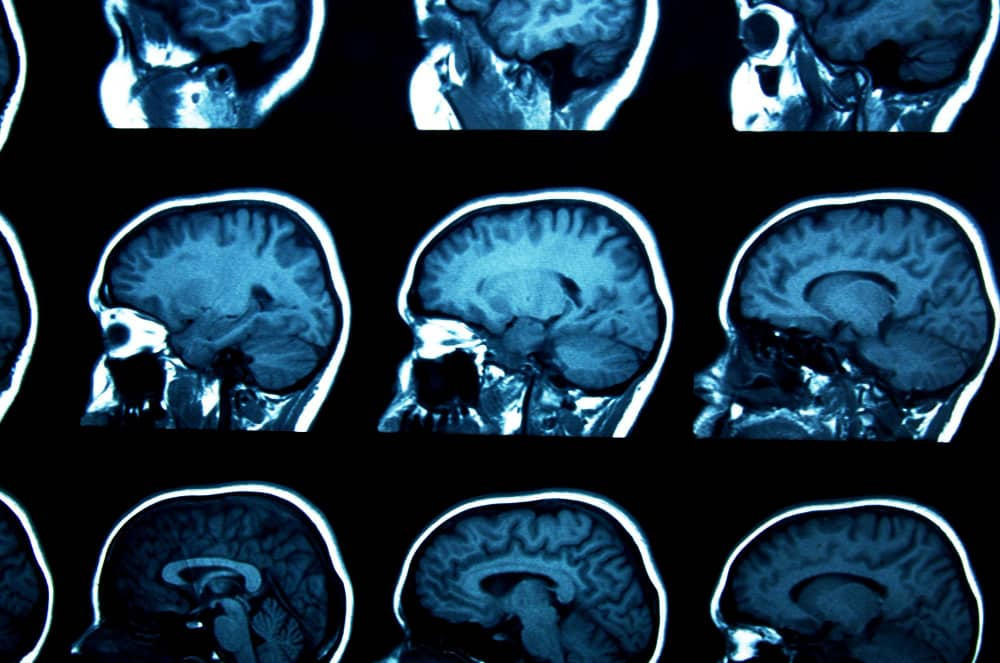
The phrase "time is brain" is the most important concept in stroke medicine, and it is rooted in a stark biological reality. When a major brain artery is blocked, the tissue it supplies is deprived of oxygen and glucose almost instantly. The cells at the very centre of the affected area — the infarct core — begin to die within minutes. Surrounding this dead zone is a larger region of vulnerable but still-living tissue called the ischemic penumbra: cells that are critically under-supplied but have not yet sustained irreversible damage. This penumbra is what stroke treatment is racing to save.
Every minute the artery stays blocked, the penumbra shrinks as more cells cross the threshold from salvageable to dead. On average, approximately 1.9 million neurons are lost every minute during a large vessel ischemic stroke — equivalent to the brain ageing roughly 3.6 years with each passing hour of untreated occlusion. Across the full stroke time frame from onset to treatment, the cumulative loss of brain tissue directly determines the severity of disability a patient will be left with. Patients who receive intravenous thrombolysis within 90 minutes of symptom onset have significantly better outcomes than those treated at two hours, and those treated at two hours do substantially better than patients treated at 3 to 4.5 hours. There is no point in the stroke time window at which speed stops mattering.
Recognising a Stroke: The BE-FAST Tool
The single largest source of avoidable delay in stroke care is not hospital response time — it is the gap between symptoms beginning and the emergency call being made. People wait, hoping the symptom will pass or assuming it is something less serious. In some cases, particularly where speech is affected, the patient themselves cannot raise the alarm and depends entirely on those around them to act. Recognising a stroke immediately and calling for help without hesitation is the most powerful intervention a bystander can make.
Two frameworks are widely used for rapid stroke recognition — BE-FAST and the older FAST tool — and it is worth understanding what each covers and why the expanded version matters.
FAST vs. BE-FAST: What the Extra Letters Add
FAST — Face, Arms, Speech, Time — has been the standard public-facing stroke recognition tool for over two decades and remains highly effective for the most common stroke presentations.
BE-FAST extends it by adding two earlier warning signs that FAST misses: sudden loss of balance and sudden visual disturbance, both of which frequently precede or accompany strokes affecting the posterior circulation of the brain.
Studies show that BE-FAST identifies approximately 95 percent of all ischemic strokes, compared to around 85 percent for FAST alone — a meaningful difference when the goal is zero missed cases.
The BE-FAST Signs Explained
The full BE-FAST sequence covers the six most diagnostically significant stroke symptoms in a format designed to be recalled reliably under pressure. Each sign warrants an immediate emergency call on its own:
- Balance — a sudden loss of balance or coordination, or difficulty walking normally, that appears without warning and cannot be explained by a prior injury or known condition
- Eyes — sudden vision problems in one or both eyes, including blurred vision, double vision, or a complete loss of vision on one side of the visual field
- Face — facial drooping or asymmetry, most visible when the person is asked to smile; one side may appear to sag or remain completely still
- Arm — sudden weakness or numbness in one arm; when asked to raise both arms with eyes closed, one may drift downward or fail to rise
- Speech — slurred or garbled speech, sudden inability to find words, or difficulty understanding what is being said
- Time — if any one of the above signs is present, call emergency services immediately and note the exact time symptoms began; do not wait to see whether they improve
The most dangerous response to any of these signs is to wait. Symptoms that partially resolve may indicate a transient ischemic attack (TIA) — a temporary disruption of blood flow that is a medical emergency carrying a high short-term risk of full stroke if not urgently investigated.
What Happens in the First Hour: From Symptom Onset to Treatment
Understanding the full stroke emergency treatment pathway helps patients and families know what to expect and reinforces why every step in the chain matters equally. The golden hour is not a single moment — it is a sequence of actions that must occur in rapid succession, each stage dependent on the one before it. The following is what the optimal stroke response pathway looks like from onset to treatment.
The Stroke Response Chain
- Immediate recognition and emergency call — a bystander or patient identifies BE-FAST signs and calls emergency services without delay; ambulance pre-notification allows the stroke team to assemble before the patient arrives
- Ambulance assessment and rapid transport — paramedics confirm the likely stroke diagnosis, establish the onset time, and prioritise transfer to the nearest stroke-ready hospital equipped for thrombolysis and, where available, endovascular thrombectomy
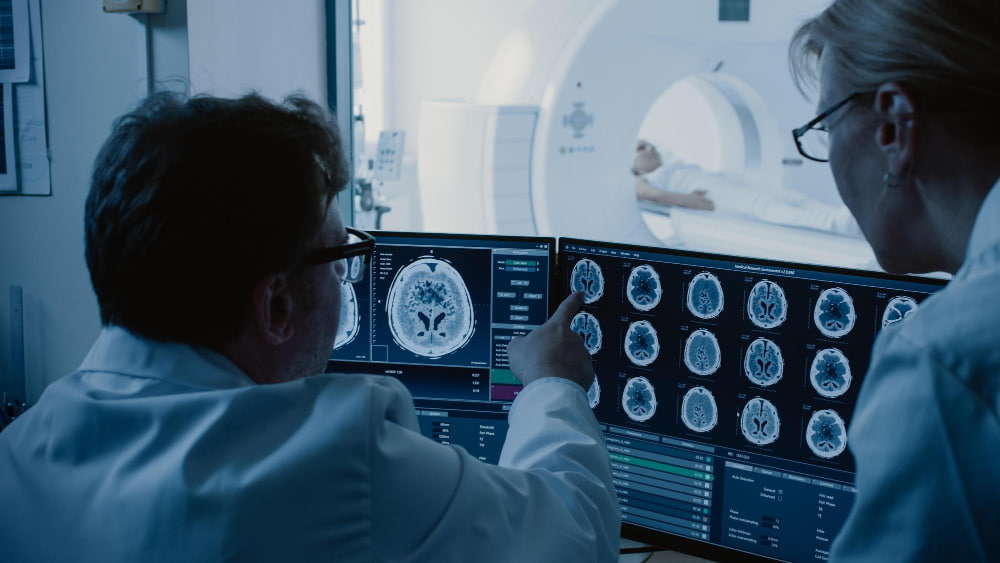
- Emergency department arrival and immediate CT scan — brain imaging is performed within minutes of arrival to confirm the diagnosis and determine whether the stroke is ischemic or haemorrhagic; this single scan determines the entire treatment pathway
- Treatment decision and first dose — for eligible ischemic stroke patients, the target is to administer the first dose of thrombolytic medication within 60 minutes of hospital arrival, a metric known as door-to-needle time that every certified stroke centre monitors as a core quality indicator
- Escalation to thrombectomy where indicated — patients with a large vessel occlusion eligible for mechanical thrombectomy proceed directly to the angiography suite; thrombolysis and thrombectomy are not alternatives but are delivered in sequence within the same uninterrupted workflow
This chain is only as fast as its weakest link. Hospital stroke systems are engineered to make every in-hospital step as rapid as possible — but the pre-hospital steps, from recognition to the emergency call, are entirely in the hands of the people present when the stroke occurs. No hospital efficiency can compensate for hours lost at home.
Does Faster Treatment Mean Better Recovery?
The evidence that faster stroke treatment produces better outcomes is among the most consistent in all of acute medicine. Large-scale analyses of stroke registry data consistently show that each 15-minute reduction in onset-to-treatment time is associated with a measurable increase in the probability of a good neurological outcome — defined as the ability to live independently with minimal disability.
Whether a stroke can be fully reversed depends on how much affected brain tissue was still within the salvageable penumbra at the time of treatment. In patients treated very early, where the infarct core is small and the penumbra large, restoring blood flow can produce dramatic recovery — patients who arrived unable to speak or move a limb can walk out of hospital within days. In patients treated later, where a larger core has already been permanently damaged, recovery is more limited and structured rehabilitation becomes the primary pathway for regaining function. This is why stroke medication within the first 3 hours produces substantially better outcomes than treatment at 4 hours — not because the treatment changes, but because less tissue has been irreversibly lost.
What treatment cannot do is restore neurons that have already died. Early intervention prevents damage from spreading and maximises surviving brain tissue — but it cannot undo what has already been lost. The single most important factor in any stroke patient's long-term outcome is how quickly they reached a stroke-ready hospital after symptoms began. Knowing the BE-FAST signs and acting on them the moment they appear is, in practical terms, the most significant contribution any person can make to that outcome.
The Golden Hour at Medical Park Stroke Center
Medical Park Hospitals operate certified stroke centres across Turkey with the full infrastructure required to compress the stroke time frame from symptom onset to treatment as tightly as possible. Intravenous thrombolysis and mechanical thrombectomy are available 24 hours a day, seven days a week, in dedicated Stroke Center facilities staffed by specialists in Neurology and Interventional Radiology. When a stroke alert is activated, the Emergency Service, Neurology, and Interventional Radiology teams mobilise simultaneously — not sequentially — and brain CT with perfusion imaging is completed within minutes of a patient arriving. Door-to-needle time is a continuously tracked performance metric across Medical Park's stroke network, and the pathway is actively managed to keep it consistently below 60 minutes. Where mechanical thrombectomy is also indicated, the transition from thrombolysis to the endovascular suite takes place within the same uninterrupted workflow.
International patients who experience a stroke while travelling or living in Turkey can access Medical Park's Stroke Centers as a primary acute care destination, with the complete stroke emergency treatment pathway — thrombolysis, thrombectomy, and stroke intensive care — available without waiting or referral. For patients and families who have already received acute stroke care elsewhere and are seeking a second opinion on their management plan, rehabilitation pathway, or neurological prognosis, Medical Park's multidisciplinary team provides a comprehensive clinical review of all imaging and procedural records. Post-stroke rehabilitation — including physiotherapy, speech and language therapy, robotic rehabilitation, and neuropsychological support — is available within the same integrated hospital system, at costs substantially below those of equivalent private care in Western Europe or North America.




 Makaleye Dön
 E-Result
 WhatsApp