


 TR
 EN
 RU
 AR
 FR


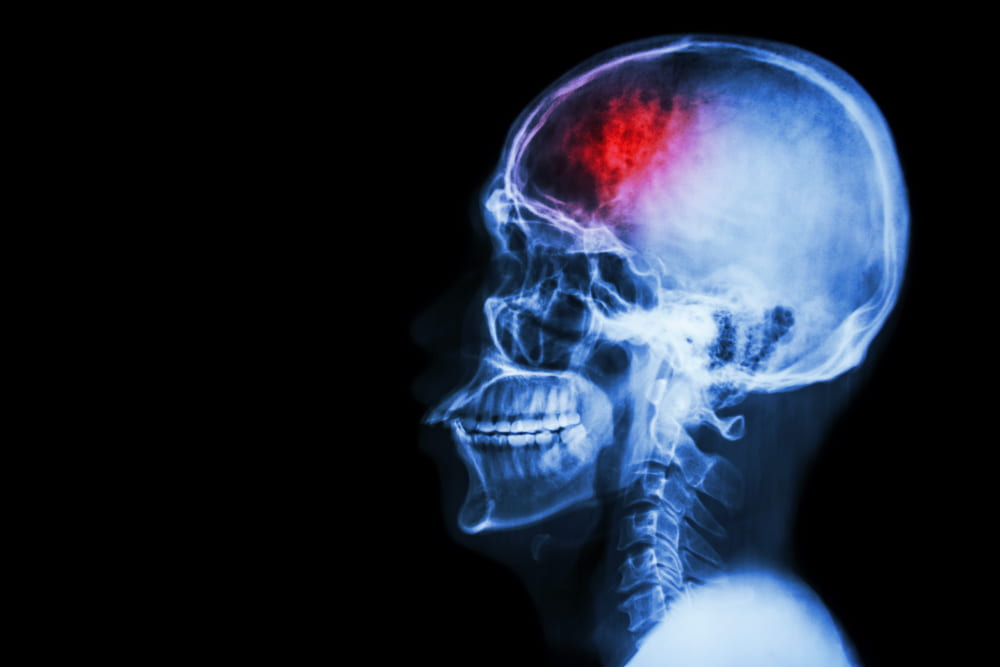


A hemorrhagic stroke, also known as intracerebral hemorrhage (ICH), is a serious medical emergency that occurs when a blood vessel in the brain ruptures, causing bleeding within or around brain tissue. This type of stroke accounts for a smaller percentage of stroke cases than ischemic stroke, but it is often associated with more severe complications because the bleeding can damage brain cells and increase pressure inside the skull.
The sooner a hemorrhagic stroke is recognized and treated, the greater the opportunity to reduce brain damage and improve long-term recovery. Understanding the causes, warning signs, treatment options, and rehabilitation process can help patients and families navigate this potentially life-threatening condition.
What Is a Hemorrhagic Stroke?
A hemorrhagic stroke occurs when a blood vessel ruptures and bleeds into or around the brain. The escaped blood can directly injure surrounding brain tissue while also increasing pressure within the skull.
Unlike an ischemic stroke, which develops when a blood vessel becomes blocked, a hemorrhagic stroke results from active bleeding. As blood accumulates, it can interfere with normal brain function by compressing nearby structures and reducing oxygen delivery to brain cells.
The effects of a hemorrhage depend on several factors, including the location of the bleeding, the amount of blood involved, and how quickly treatment is provided. Even a relatively small hemorrhage can cause significant neurological symptoms if it occurs in a critical area of the brain.
What Causes a Hemorrhagic Stroke?
A hemorrhagic stroke occurs when a blood vessel in the brain ruptures and causes bleeding within or around brain tissue. This can happen when blood vessels become weakened over time or when an underlying vascular abnormality suddenly ruptures. Identifying the cause of the hemorrhage is important because it helps guide treatment and may reduce the risk of future bleeding.
High Blood Pressure
High blood pressure is the most common cause of hemorrhagic stroke. Over time, elevated pressure can weaken the walls of small arteries in the brain, making them more likely to rupture. Poorly controlled hypertension is particularly associated with intracerebral hemorrhage, the most common type of hemorrhagic stroke.
Cerebral Aneurysms and Ruptured Aneurysm
A cerebral aneurysm is a weakened area in the wall of a brain artery that bulges outward. If the aneurysm ruptures, it can cause sudden bleeding around the brain, known as a subarachnoid hemorrhage. A ruptured aneurysm is one of the most serious causes of hemorrhagic stroke and requires immediate medical attention.
Arteriovenous Malformations
Arteriovenous malformations (AVMs) are abnormal tangles of blood vessels that connect arteries and veins directly. Because these vessels are often fragile, they may rupture and cause bleeding in the brain. AVMs are a less common but important cause of hemorrhagic stroke, especially in younger adults.
Other Causes of Hemorrhagic Stroke
Less common causes of hemorrhagic stroke include head trauma, blood clotting disorders, the use of blood-thinning medications, brain tumors, cerebral amyloid angiopathy, and certain inherited vascular conditions. In some cases, illicit stimulant drugs such as cocaine can also increase the risk of a blood vessel rupture.
What Are the Types of Hemorrhagic Stroke?
Hemorrhagic stroke is not a single condition. It includes several types of bleeding that occur in different areas of the brain and surrounding tissues.
Intracerebral Hemorrhage (ICH)
Intracerebral hemorrhage occurs when bleeding develops directly within brain tissue. It is the most common type of hemorrhagic stroke. As blood accumulates, it damages nearby brain cells and triggers swelling. Symptoms vary depending on the area affected but commonly include weakness, speech difficulties, numbness, vision problems, and loss of coordination.
Subarachnoid Hemorrhage (SAH)
A subarachnoid hemorrhage occurs when bleeding develops in the space between the brain and the membranes that surround it. This type of hemorrhage is frequently associated with cerebral aneurysms. A sudden, severe headache is one of its most characteristic symptoms. Many patients describe it as the worst headache they have ever experienced. Because serious complications can develop rapidly, subarachnoid hemorrhage requires immediate medical attention.
Intraventricular Hemorrhage (IVH)
Intraventricular hemorrhage occurs when bleeding enters the ventricular system of the brain, where cerebrospinal fluid circulates. This type of bleeding may occur independently or as a complication of another cerebral hemorrhage. It can obstruct normal fluid flow and contribute to increased pressure inside the skull.

What Are the Symptoms of a Hemorrhagic Stroke?
Hemorrhagic stroke symptoms often appear suddenly and may worsen quickly as bleeding continues. The exact symptoms depend on the location and extent of the hemorrhage. Some individuals remain awake and alert, while others may rapidly lose consciousness.
Common hemorrhagic stroke symptoms include:
- Sudden severe headache
- Weakness or paralysis on one side of the body
- Facial drooping
- Difficulty speaking or understanding speech
- Vision changes
- Loss of balance or coordination
- Nausea and vomiting
- Seizures
- Confusion
- Reduced alertness
- Loss of consciousness
In some cases, symptoms may initially seem mild before progressing rapidly. For this reason, any sudden neurological change should be evaluated immediately.
Cerebral Hemorrhage Signs That Require Emergency Care
Certain cerebral hemorrhage signs indicate a medical emergency and should never be ignored. Seek urgent medical attention if someone develops:
- A sudden, severe headache
- Sudden weakness of the face, arm, or leg
- Difficulty speaking
- Sudden confusion
- New-onset seizures
- Double vision or vision loss
- Difficulty walking
- Loss of consciousness
Early treatment can significantly influence both survival and long-term recovery.
Hemorrhagic vs Ischemic Stroke: What's the Difference?
Many people associate all strokes with blocked blood vessels, but there are important differences between ischemic and hemorrhagic stroke.
- An ischemic stroke occurs when blood flow to part of the brain is blocked, usually by a clot. This is the most common type of stroke.
- A hemorrhagic stroke occurs when a blood vessel ruptures and causes bleeding within or around the brain.
Understanding the difference is important because treatments differ significantly. Medications used to dissolve blood clots in ischemic stroke are generally not used in hemorrhagic stroke and may worsen bleeding.
When discussing the difference between a brain hemorrhage (brain bleed) and stroke, it is important to remember that a hemorrhagic stroke is a type of stroke caused by bleeding. Therefore, every hemorrhagic stroke involves a brain bleed, but not every stroke is hemorrhagic. Rapid brain imaging allows doctors to determine the difference between ischemic and hemorrhagic stroke and begin the most appropriate treatment.
What Increases the Risk of Hemorrhagic Stroke?
Several factors can increase the likelihood of developing a hemorrhagic stroke. Some risk factors cannot be changed, while others can often be managed through lifestyle modifications and medical treatment.
Common risk factors for hemorrhagic stroke include:
- High blood pressure
- Smoking
- Excessive alcohol consumption
- Obesity
- Advanced age
- Family history of stroke
- Blood clotting disorders
- Long-term use of anticoagulant medications
- Stimulant drug use
- Previous stroke
Among these factors, controlling blood pressure remains one of the most effective ways to reduce risk.
How Is a Brain Hemorrhage Diagnosed?
Diagnosing a brain hemorrhage requires rapid evaluation because treatment decisions often need to be made quickly. Doctors typically begin with a neurological examination and a review of symptoms. Imaging tests are then used to confirm the diagnosis and identify the source of the bleeding.
CT Scan
Computed tomography (CT) is usually the first imaging test performed. It can quickly identify active bleeding and help distinguish hemorrhagic stroke from ischemic stroke.
MRI
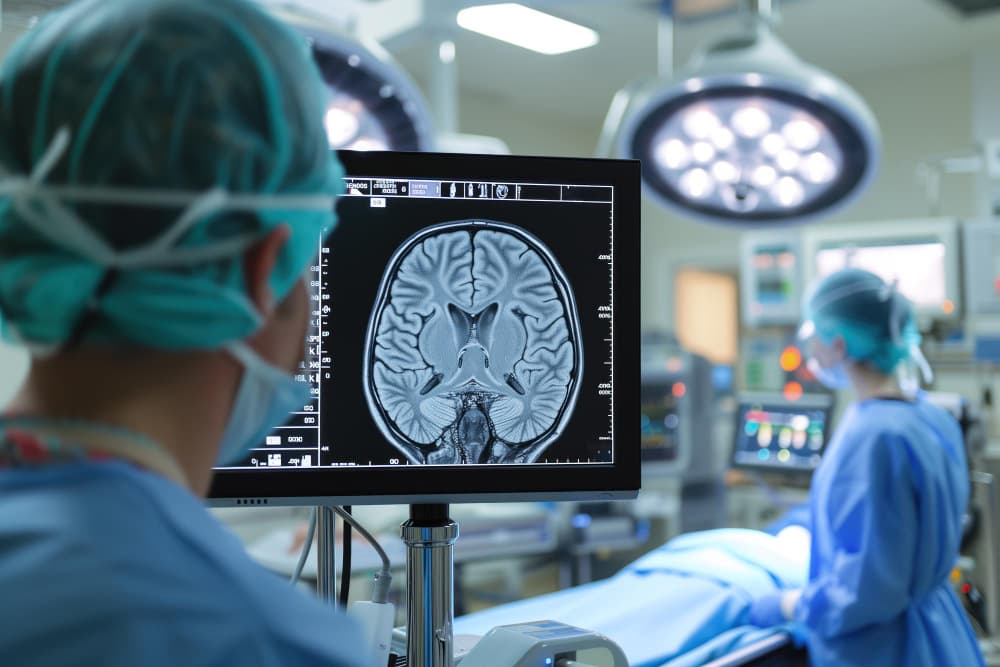
Magnetic resonance imaging (MRI) provides detailed images of brain tissue and may help identify underlying abnormalities.
Cerebral Angiography
Angiography allows doctors to examine blood vessels and detect cerebral aneurysms, arteriovenous malformations, and other vascular abnormalities.
Blood Tests
Blood tests help evaluate clotting function, medication effects, and other factors that may contribute to bleeding.
Hemorrhagic Stroke Treatment
Hemorrhagic stroke treatment focuses on controlling bleeding, reducing pressure inside the skull, preventing complications, and addressing the underlying cause. Treatment varies depending on the location and severity of the hemorrhage as well as the patient's overall condition.
Emergency Treatment
The first priority is stabilizing the patient and preventing further brain injury. Emergency treatment may include:
- Blood pressure control
- Management of breathing and circulation
- Reversal of blood-thinning medications when necessary
- Seizure prevention and treatment
- Close neurological monitoring
Many patients require admission to an intensive care unit during the early stages of treatment.
Intracranial Pressure Monitoring
Bleeding within the skull can increase pressure around the brain. In severe cases, intracranial pressure monitoring may be used to measure pressure levels and guide treatment decisions. Monitoring helps physicians identify dangerous changes before they cause additional brain damage.
Surgical Treatment of Hemorrhagic Stroke
Some patients require surgery to remove accumulated blood, relieve pressure within the skull, or repair the source of bleeding. The choice of procedure depends on the location and severity of the hemorrhage, as well as the underlying cause.
Treatment options may include:
- Hematoma evacuation: Removal of accumulated blood from the brain to reduce pressure on surrounding tissue and limit further damage.
- Aneurysm clipping: A surgical procedure in which a small metal clip is placed at the base of a ruptured aneurysm to prevent further bleeding.
- Endovascular coiling: A minimally invasive technique that uses a catheter to place tiny coils inside an aneurysm, blocking blood flow and reducing the risk of rebleeding.
- Surgical treatment of arteriovenous malformations (AVMs): Removal or treatment of abnormal blood vessels that may have caused the hemorrhage.
- Ventricular drainage procedures: Placement of a drainage catheter to remove excess cerebrospinal fluid and help relieve increased pressure within the brain.
The most appropriate treatment approach is determined individually based on the patient's condition, imaging findings, and the source of the bleeding.
Hemorrhagic Stroke Recovery
Hemorrhagic stroke recovery is often a gradual process that continues long after the initial hospitalization. While some individuals experience substantial improvement within weeks, others may require months or years of rehabilitation. Recovery depends on factors such as the size of the hemorrhage, the area of the brain affected, age, overall health, and how quickly treatment was provided.
Rehabilitation usually begins as soon as the patient's condition is stable. A multidisciplinary team may work together to address physical, cognitive, and communication challenges. Common rehabilitation approaches include:
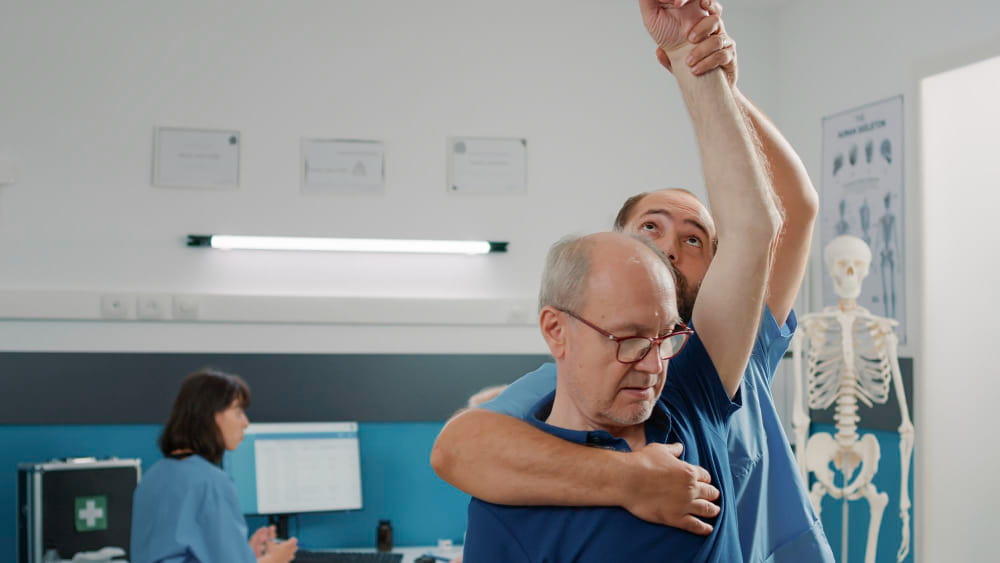
- Physical therapy to improve mobility and strength
- Occupational therapy to restore daily living skills
- Language and speech therapy
- Cognitive rehabilitation
- Psychological support and counseling
Progress often occurs gradually. Improvements that seem small at first can accumulate over time, allowing many patients to regain important levels of independence.
Cerebral Hemorrhage Recovery: What Can Patients Expect?
Cerebral hemorrhage recovery varies significantly from person to person. Some individuals return to many of their previous activities, while others continue to experience long-term effects. Challenges during recovery may include:
- Weakness or paralysis
- Balance problems
- Fatigue
- Memory difficulties
- Speech and communication challenges
- Emotional changes
- Anxiety or depression
Ongoing medical follow-up and participation in rehabilitation programs play an important role in maximizing recovery potential. Family support is also an important part of the recovery process, helping patients adapt to physical and emotional changes while maintaining motivation during rehabilitation.
Quality of Life After Hemorrhagic Stroke
Quality of life after hemorrhagic stroke depends on the severity of the injury, the effectiveness of treatment, and the individual's response to rehabilitation. Many survivors are able to return to independent living, employment, and social activities. Others may require ongoing assistance with daily tasks.
Physical recovery is only one aspect of long-term well-being. Emotional health, social support, cognitive function, and access to rehabilitation services can all influence quality of life after hemorrhagic stroke. With appropriate treatment and continued rehabilitation, many people continue to make meaningful improvements long after the initial event.
Hemorrhagic Stroke Survival Rate
The hemorrhagic stroke survival rate varies considerably depending on the type of hemorrhage, the amount of bleeding, the patient's age, overall health, and how quickly treatment begins.
Although hemorrhagic stroke is generally associated with a higher risk of serious complications than ischemic stroke, advances in emergency medicine, neurosurgery, critical care, and rehabilitation have improved outcomes for many patients.
Because every case is unique, survival and recovery prospects should be discussed with the treating medical team rather than relying solely on general statistics.
Can Hemorrhagic Stroke Be Prevented?
Not all hemorrhagic strokes can be prevented, but many risk factors can be effectively managed.
Preventive measures include:
- Controlling high blood pressure
- Avoiding tobacco use
- Limiting alcohol consumption
- Maintaining a healthy weight
- Exercising regularly
- Managing chronic medical conditions
- Taking medications as prescribed
- Monitoring known aneurysms or vascular malformations when recommended
Regular check-ups combined with stroke risk screening and cardiac screening can help identify risk factors before complications occur.
When Should You Seek Emergency Medical Care?
A hemorrhagic stroke is a medical emergency that requires immediate attention. Anyone experiencing sudden neurological symptoms such as weakness, speech difficulties, severe headache, confusion, vision changes, seizures, or loss of consciousness should seek emergency care without delay.
Early diagnosis and timely hemorrhagic stroke treatment can reduce brain damage, improve recovery outcomes, and increase the likelihood of survival.
Acute Hemorrhagic Stroke Treatment and Rehabilitation at Medical Park
Medical Park's Stroke Center provides rapid evaluation and treatment for patients experiencing an acute hemorrhagic stroke. Care is coordinated by a multidisciplinary team including neurologists, neurosurgeons, interventional radiologists, intensive care specialists, and physical therappy and rehabilitationprofessionals. Advanced diagnostic imaging, continuous monitoring, and individualized treatment plans help ensure that patients receive timely and appropriate care during the critical early stages of a brain hemorrhage.
Following emergency treatment, rehabilitation becomes an important part of recovery. Medical Park offers comprehensive rehabilitation services designed to help patients regain mobility, communication skills, cognitive function, and independence in daily life. Through personalized rehabilitation programs and ongoing follow-up, the Stroke Center supports patients throughout their long-term recovery after hemorrhagic stroke.





 Makaleye Dön
 E-Result
 WhatsApp