


 TR
 EN
 RU
 AR
 FR




When a stroke is caused by a blood clot blocking an artery in the brain, every minute without treatment means more brain tissue lost. Intravenous thrombolysis — the administration of a clot-dissolving drug directly into the bloodstream — is the most widely available emergency treatment for ischemic stroke and, when given quickly enough, can significantly reduce permanent disability or prevent it altogether.
What Is Intravenous Thrombolysis?
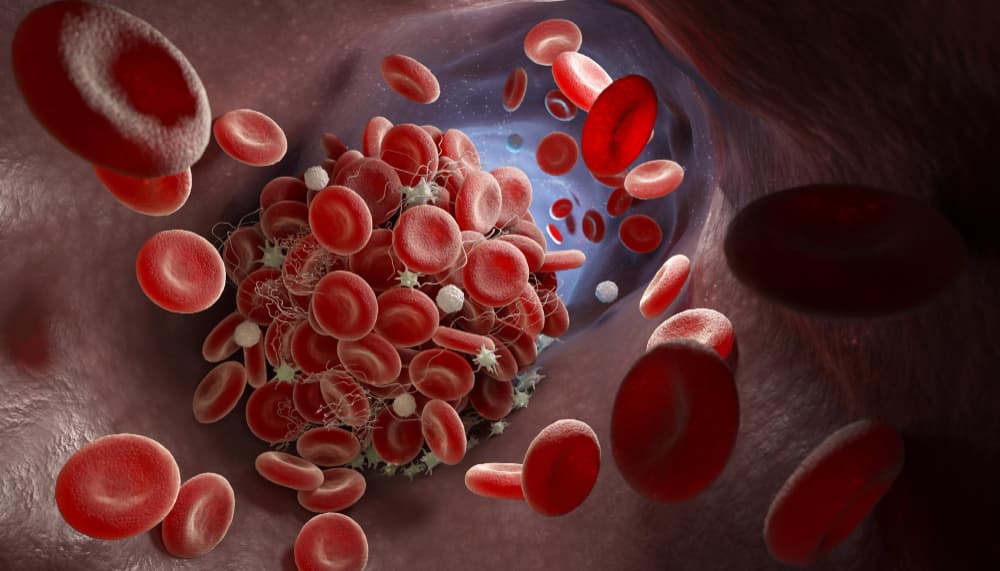
Intravenous thrombolysis is a drug treatment that works by dissolving the blood clot responsible for an ischemic stroke. The medication — a type of drug called a thrombolytic, fibrinolytic, or colloquially a "clot buster" — is injected into a vein in the arm and travels through the bloodstream to the site of the blockage, where it activates the body's own clot-dissolving system. The goal is to reopen the blocked artery as quickly as possible and restore blood flow to the brain tissue that has been starved of oxygen.
The procedure does not require a specialist imaging suite or an interventional team. It can be administered in any stroke-capable emergency department, which is one of its most significant advantages — speed of access can make the difference between full recovery and lasting disability, and thrombolysis can begin within minutes of a patient arriving at hospital. It is the frontline emergency treatment for ischemic stroke worldwide and the starting point of the acute stroke pathway at every certified stroke centre.
It is important to note that intravenous thrombolysis is only for ischemic stroke — stroke caused by a clot. It must never be given in haemorrhagic stroke, where the brain is already bleeding, as the drug would make the bleeding significantly worse. One of the first steps at any stroke centre is a brain CT scan to confirm which type of stroke is present before any treatment is given.
How Thrombolytic Drugs Work
The clot-dissolving drugs used in stroke are known collectively as thrombolytics or fibrinolytics. They work by activating plasminogen — a protein already present in the blood — converting it into an enzyme called plasmin, which breaks down fibrin, the structural backbone of a blood clot. As the fibrin network is dissolved, the clot softens and fragments, allowing blood to flow through the previously blocked artery again.
Two thrombolytic medications are currently used in stroke treatment:
- Alteplase — a recombinant form of tissue plasminogen activator (tPA) that has been the standard treatment for acute ischemic stroke for three decades. It is given as an initial bolus injection followed by a continuous infusion over 60 minutes.
- Tenecteplase — a newer, modified version of tPA that can be administered as a single bolus injection, simplifying delivery and potentially allowing faster treatment. The 2026 AHA/ASA stroke guidelines formally endorsed tenecteplase as an equivalent alternative to alteplase for eligible patients, and it is increasingly used at leading stroke centres.
Both drugs work through the same mechanism and carry the same general risks. The choice between them depends on the centre's protocol, drug availability, and individual patient factors.

Who Can Receive Intravenous Thrombolysis?
Not every stroke patient is eligible for thrombolysis, and the decision involves a rapid but careful assessment by the stroke team. The most important factor is time. For most patients, thrombolysis must be given within 4.5 hours of when stroke symptoms first appeared — or within 4.5 hours of when the patient was last seen well, in cases where the exact onset is unclear. Beyond this window, the risk of the drug causing bleeding in the brain begins to outweigh the benefit of dissolving the clot, and the treatment is no longer considered safe for standard use.
Within that time window, the team also assesses a range of other factors that affect eligibility:
- Confirmed ischemic stroke on brain imaging — a CT scan must exclude haemorrhage before any thrombolytic is given
- Significant neurological deficit — the stroke must be causing meaningful symptoms; very mild deficits or those that are rapidly improving may not warrant the bleeding risk the drug carries
- No recent surgery, serious bleeding, or injury — thrombolytics dissolve clots throughout the body, not just in the brain, so any recent situation where internal bleeding could be dangerous is carefully evaluated
- Blood pressure within an acceptable range — very high blood pressure increases the risk of haemorrhagic transformation and must be controlled before treatment can begin
- No prior haemorrhagic stroke — previous bleeding in the brain is a contraindication
- Blood sugar within normal limits — very low or very high blood sugar can mimic stroke and must be corrected before thrombolysis is considered
Age is not an automatic barrier. Current guidelines support thrombolysis in carefully selected patients over 80, and the decision is made on clinical merit rather than age alone.
The Treatment Window: Why Speed Matters So Much
In a large vessel ischemic stroke, approximately 1.9 million brain cells die every minute the artery stays blocked. The earlier thrombolysis is given, the more brain tissue survives and the better the functional outcome. Patients treated within 90 minutes of symptom onset have substantially better outcomes than those treated at two hours, and those treated at two hours do better than those treated at four hours.
This is why stroke is treated as one of the most time-critical emergencies in medicine. The entire system — from the ambulance call to the emergency department assessment to the first injection of thrombolytic — is designed around eliminating every possible minute of delay. At certified stroke centres, a target of fewer than 60 minutes from hospital arrival to the first dose of thrombolysis (the "door-to-needle" time) is considered standard. At the best-performing centres, this target is consistently met or beaten.
For patients who are uncertain whether they are still within the treatment window, the answer is always to go to hospital immediately and let the team assess. Waiting to see whether symptoms improve is one of the most common — and most costly — mistakes in stroke care.
Thrombolysis and Mechanical Thrombectomy: How They Work Together
Intravenous thrombolysis and mechanical thrombectomy — the catheter-based procedure that physically removes a clot — are not competing treatments. In patients with a large vessel occlusion who are eligible for both, they are used in sequence. Thrombolysis is given on arrival while the specialist endovascular team assembles; mechanical thrombectomy follows immediately after. This combined approach, known as bridging thrombolysis, is confirmed as the standard of care in current international guidelines.
Thrombolysis alone is less effective in large vessel occlusions — the clots blocking a major brain artery are often too large and too dense to dissolve fully with medication. Recanalisation rates with thrombolysis alone in this setting are around 30 to 40 percent, compared with 70 to 90 percent when thrombectomy is also performed. However, thrombolysis remains the definitive treatment for the majority of ischemic strokes that do not involve a large vessel occlusion, and it is the only acute treatment available for many patients who present at hospitals without endovascular capability.
Risks and Side Effects of Thrombolytic Therapy
Thrombolytic therapy is a powerful treatment, and like all powerful treatments it carries risks that are weighed carefully against the potential benefit before it is given. The most important risks are:
- Symptomatic intracranial haemorrhage — bleeding inside the brain is the most serious complication, occurring in approximately 2 to 7 percent of treated patients. It can worsen neurological outcomes and in rare cases is fatal. The risk is higher in patients with very severe strokes, very high blood pressure, or advanced age.
- Systemic bleeding — because thrombolytics act throughout the bloodstream, bleeding can occur at other sites in the body, including the gastrointestinal tract or at any recent wound or puncture site.
- Haemorrhagic transformation — some degree of bleeding into the infarcted brain tissue occurs in a proportion of patients after recanalization, even without being symptomatic. This is monitored by follow-up imaging after treatment.
- Allergic reaction — uncommon but possible, particularly with alteplase; the clinical team monitors patients closely during and after infusion.
For patients who are eligible for thrombolysis, these risks are consistently outweighed by the benefit of dissolving the clot. The alternative — leaving the blocked artery untreated — results in permanent disability in the majority of large vessel stroke cases.
Intravenous Thrombolysis at Medical Park Stroke Center
Turkey's stroke care infrastructure has developed substantially over the past decade, and Medical Park Hospitals operate certified stroke centres across the country capable of delivering thrombolysis around the clock, seven days a week. The door-to-needle time at Medical Park — the interval between a patient arriving at hospital and receiving their first dose of thrombolytic — is a continuously monitored quality metric, and the stroke pathway is designed to keep it consistently below 60 minutes. On stroke alert, the Emergency Service, Neurology, and Interventional Radiologyteams activate simultaneously, brain CT is performed immediately on arrival, and the treatment decision is made and acted upon without delay.
International patients come to Medical Park's Stroke Center for acute stroke treatment when a stroke occurs while they are travelling or living in Turkey, and the full acute pathway — including thrombolysis, mechanical thrombectomy where indicated, and transfer to the stroke intensive care unit — is available without waiting. Patients who have already received thrombolysis or thrombectomy at another centre and are seeking a second opinion on their ongoing treatment plan, rehabilitation pathway, or neurological prognosis can arrange a full clinical review by Medical Park's multidisciplinary stroke team, including reassessment of imaging and procedural records. Post-stroke rehabilitation — incorporating speech and language therapy, physiotherapy, and neuropsychological support — is available within the same integrated hospital system for patients continuing their recovery in Turkey, at costs significantly lower than equivalent private care in Western Europe or North America.






 Makaleye Dön
 E-Result
 WhatsApp